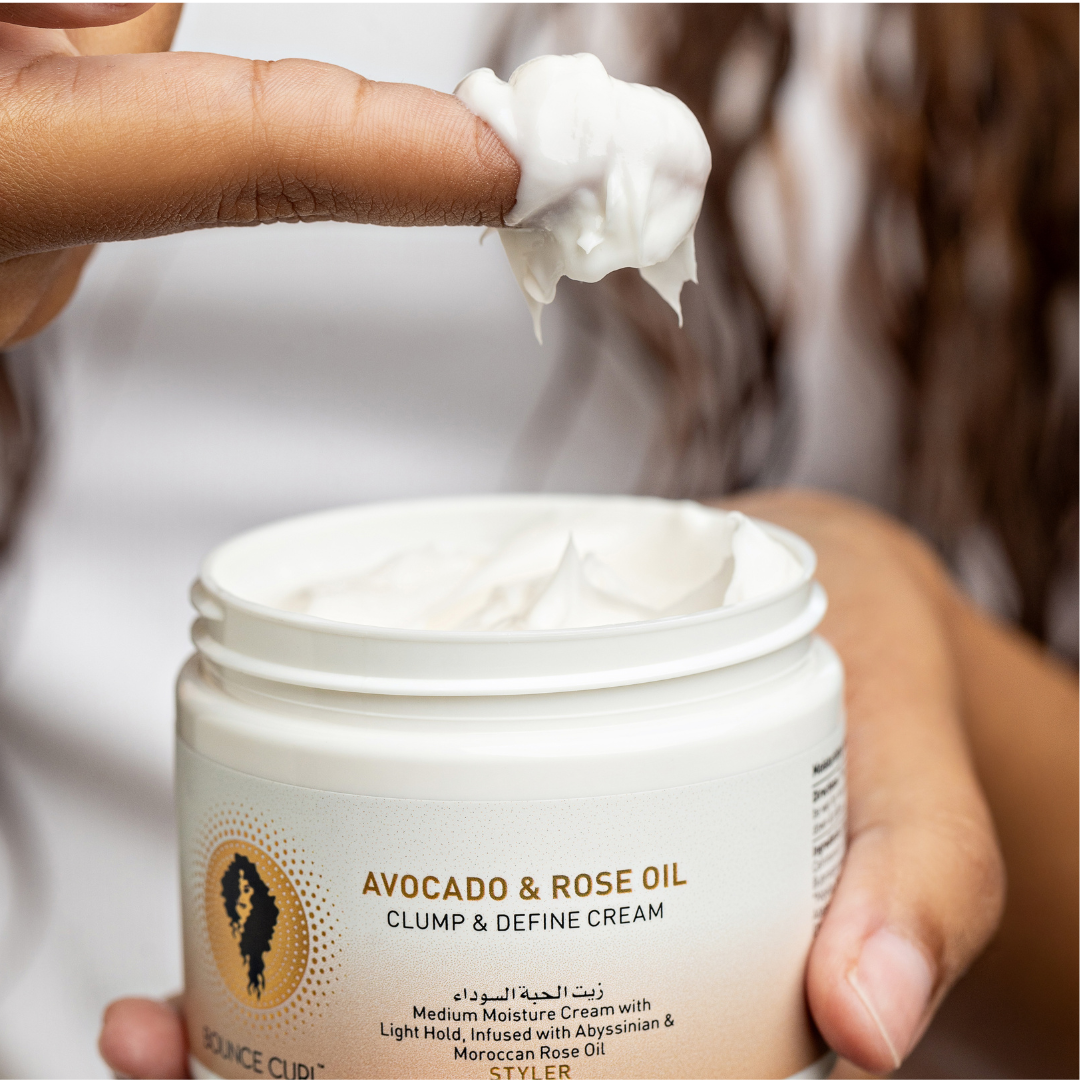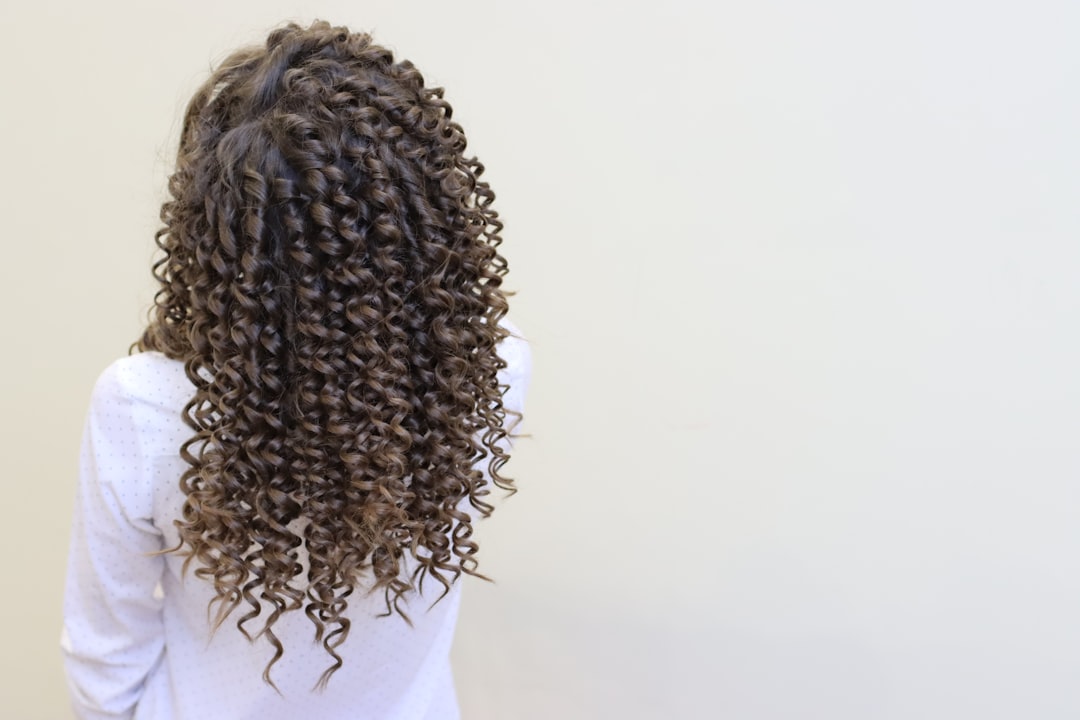
The evolving European curl care landscape emphasizes personalized routines based on curl type and porosity to achieve optimal results.
Trending methods like LCO and LOC are essential, with product choices shifting towards gel-serum hybrids and humidity-aware formulas in 2026.
A low-maintenance, environmentally adaptable approach rooted in self-knowledge is now preferred over following fleeting trends or imitation.
The curly hair space in Europe is evolving fast, and keeping up with what actually works for your specific texture has never felt more complicated. A 30% increase in searches for curly hairstyles since 2024 confirms that more women are actively looking for answers, not just inspiration. But trending routines from social media do not always translate to real results when you factor in Europe’s shifting humidity, hard water, and the wide range of curl patterns that exist across the continent. This guide cuts through the noise and gives you a clear, evidence-based picture of what 2026’s curl care trends actually mean for your hair.
Table of Contents
-
Trending methods: Layering, application, and moisture control
-
Our take: Why the best curly hair routine is personal, not prescriptive
Key Takeaways
| Point | Details |
|---|---|
| Porosity guides routines | Understanding your hair’s porosity is crucial to choosing the best layering and product methods. |
| Trendy textures and cuts | Gel-serum textures and clever cuts define the stylish European curly hair look for 2026. |
| Low-maintenance shift | Simplified, natural routines and shorter styles favor scalp health and moisture management. |
| Personalization wins | Adapting routines to your individual curl pattern and lifestyle delivers the best results. |
How European curl types shape care choices
Not all curly hair is the same, and that sounds obvious until you realize most product advice online is written for one generic “curly” type. The reality is that a type 2a wave and a type 4c coil need completely different formulas, application methods, and moisture strategies. Getting this right is the foundation of every effective routine, and it is where most people go wrong before they even open a product.
Choosing curly hair products for European curls means matching your formula to both your curl type and your hair’s porosity. Porosity refers to how easily your hair absorbs and retains moisture. Low-porosity hair resists moisture entering the shaft, while high-porosity hair absorbs it quickly but loses it just as fast. This single factor determines how you layer products and which ingredients you should prioritize.
Here is a quick breakdown of curl type and product weight to keep in mind:
-
Type 2a and 2b (loose waves): Lightweight, water-based mousses and mists. Avoid anything too heavy or your wave pattern disappears under the weight.
-
Type 2c and 3a (defined waves to loose curls): Light creams and medium-hold gels work well. Look for frizz control without heavy coating.
-
Type 3b and 3c (springy, tighter curls): Richer creams and curl-defining products with more slip. These types benefit from curly hair care tips that focus on hydration layering.
-
Type 4a, 4b, and 4c (coily to tightly coiled): Dense butters, oils, and cream-based leave-ins are essential. These textures lose moisture the fastest and need maximum sealing.
The table below shows how porosity intersects with curl type to guide your product choices:
| Curl type | Porosity level | Best product texture | Key ingredient focus |
|---|---|---|---|
| 2a to 2c | Low porosity | Lightweight mist or mousse | Humectants, aloe vera |
| 3a to 3b | Medium porosity | Cream, light gel | Glycerin (avoid in high humidity), proteins |
| 3c to 4a | Medium to high | Rich cream, butter blend | Baobab oil, flaxseed |
| 4b to 4c | High porosity | Dense butter, sealing oil | Shea butter, castor oil |
Understanding the moisture needs of your specific texture is not optional. It is the difference between a wash day that lasts three days and one that collapses by the next morning.
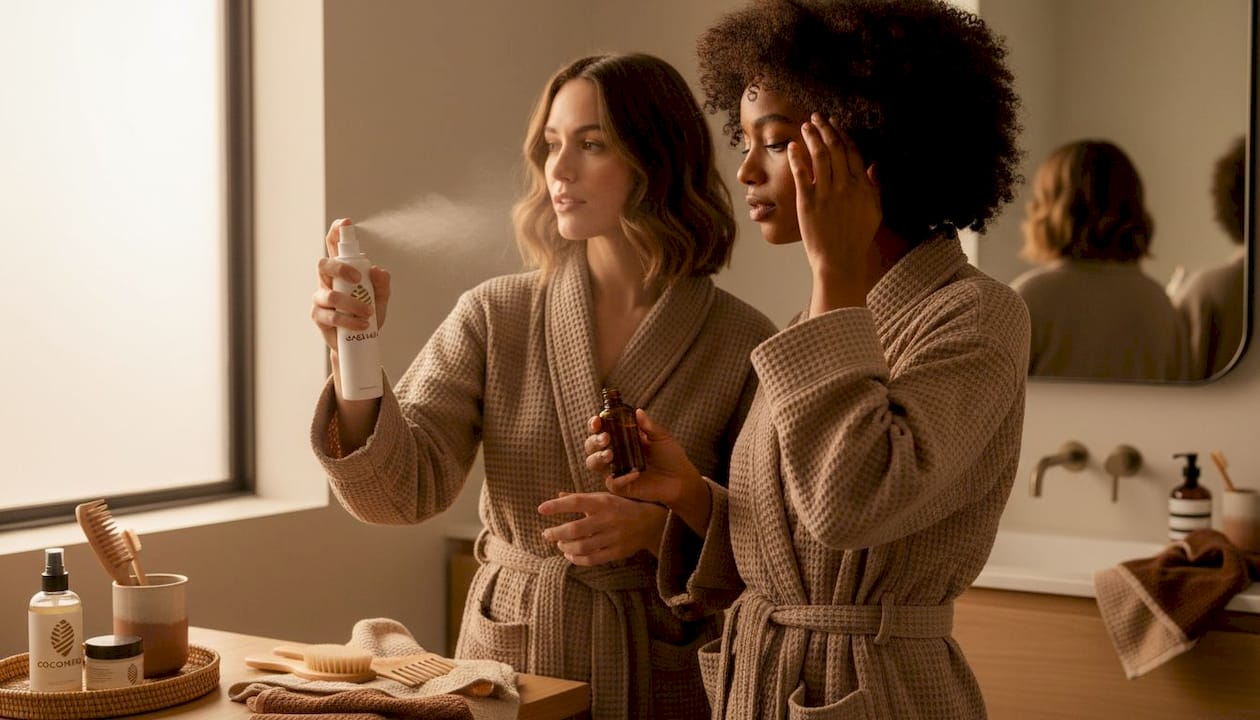
Trending methods: Layering, application, and moisture control
Once you know your curl type and porosity, the next question is how you apply your products. In 2026, two methods dominate the conversation: LCO and LOC. They both use the same three product categories, just in a different order, and that order matters enormously.
The LCO versus LOC distinction is straightforward once you understand the logic. LCO stands for Liquid, Cream, Oil and works best for low-porosity hair. The cream goes before the oil to keep the hair shaft from being sealed too early, allowing moisture to penetrate before the oil layer locks it in. LOC, or Liquid, Oil, Cream, suits high-porosity hair better because the oil is applied directly after the water phase to slow down moisture escape before the cream provides structure and additional sealing.
Here is a step-by-step guide to applying either method correctly:
-
Start with soaking wet hair. Not damp. Soaking. This is the most skipped step and the most important one for frizz reduction.
-
Apply your liquid (water, leave-in conditioner, or a water-based spray) and distribute evenly through sections.
-
For LOC: apply your chosen oil for curly hair next, then seal with cream. For LCO: cream comes before the oil.
-
Scrunch upward with your palms or a microfiber towel. Never rub.
-
Apply gel last if you want definition and hold. Scrunch again to encourage curl clumping.
-
Allow hair to dry undisturbed. Diffuse or air dry based on your texture preference.
“The biggest mistake is applying products to hair that is already half dry. Wet hair is the vehicle that carries product into the curl structure. Skip that, and you are just coating the outside.”
Pro Tip: In humid European climates like Amsterdam or London in summer, swap glycerin-based gels for humidity-aware alternatives. Glycerin pulls moisture from the air into already-saturated hair, causing uncontrolled frizz. Look for styling gels that are specifically formulated for high-humidity conditions.
European curl culture is also catching up to what naturals in warmer climates have known for years: embracing natural curls means working with your environment rather than fighting it. That means seasonal adjustments to your routine, not one fixed method all year.
2026’s product heroes: What experts and data say
With your method in place, the products you choose either support or undermine the whole system. In 2026, the dominant texture trend in styling products is the gel-serum hybrid. These formulas give you the definition and hold of a gel without the crunch or the stiffness that older-generation gels were known for. Sculptural curl definition using gel-serum textures is one of the most visible styling shifts of the year, and for good reason. It works across a wider range of curl types than traditional methods.
Key ingredient trends driving 2026 formulas:
-
Baobab oil: Lightweight enough for fine wavy hair but rich in fatty acids that penetrate coarser textures. Works across curl types 2c through 4b.
-
Flaxseed: A natural source of omega-3 fatty acids that provides definition and flexibility. Increasingly showing up in curl creams as a substitute for synthetic polymers.
-
Humidity-aware formulas: Products that contain anti-humidity agents without relying on glycerin as the primary humectant. A major shift from 2023 and 2024 formulations.
-
Fermented ingredients: Fermented rice water and fermented plant extracts are trending for their ability to strengthen the hair shaft without heavy protein deposits.
When it comes to hair moisturizers that are leading in popularity, several names stand out consistently. Curlsmith Weightless Air Dry Cream, Davines Love Curl Shampoo, Keune Confident Curl Conditioner, and SheaMoisture Curl Enhancing Smoothie are among the most recommended products for European curl types in 2026. Each addresses different needs: Curlsmith suits lighter textures that need definition without weight; SheaMoisture Curl Enhancing Smoothie is a consistent favorite for type 4 hair needing serious moisture.
Here is a comparison of four popular product types for different European curl needs:
| Product type | Best for | Hold level | Key benefit |
|---|---|---|---|
| Lightweight air-dry cream | Type 2c to 3b | Light to medium | No crunch, natural movement |
| Curl enhancing smoothie | Type 4a to 4c | Medium | Deep moisture, reduces shrinkage |
| Gel-serum hybrid | Type 3a to 4b | Medium to strong | Definition without stiffness |
| Leave-in conditioner spray | All types, low porosity | None | Base layer for LCO method |
Haircuts are also trending alongside products. The TWA (Teeny Weeny Afro) and the natural pixie cut are surging in popularity because they make curl definition and scalp care dramatically easier. Less length means less product needed, faster drying time, and a much more manageable daily routine. Browse the curl cream collection to find options that work well for shorter styles too.
Pro Tip: When switching to a gel-serum hybrid, apply it to soaking wet hair in sections and scrunch firmly to encourage clumping. Let the gel cast fully before breaking it up. The “crunch” you feel when it dries is the cast protecting your curls as they set, not a sign the product is too stiff.
Low-maintenance routines and the move to natural texture
The biggest macro trend of 2026 is not a product or a method. It is a mindset shift. More women with curly and coily hair are prioritizing low-maintenance routines and natural texture over high-effort styling. This is reshaping both the products brands create and the routines women actually follow day to day.
What does low-maintenance actually look like in practice?
-
Protective accessories: Silk bonnets and satin-lined caps preserve curl definition overnight, cutting wash day frequency significantly. Plopping (wrapping soaking wet hair in a T-shirt or microfiber towel) and micro-plopping (gently blotting to remove excess water without disturbing curl pattern) are both standard techniques in 2026 routines.
-
Scalp health as a priority: Shorter styles and more exposed scalps mean scalp care is getting the same attention as strand care. Lightweight scalp serums and regular gentle exfoliation are now considered essential rather than optional.
-
Simplified product lines: Rather than seven-step routines, women are gravitating toward three to four product systems that cover cleansing, conditioning, moisture, and hold.
“Natural texture is no longer a compromise. It is the goal. The energy people used to spend fighting their curl pattern is now going into understanding and enhancing it.”
Multi-textured hair is also getting more attention in 2026. Many women have two or even three different curl patterns on one head, and the industry is finally catching up with targeted advice and products designed for this reality.
A key stat worth noting: interest in protective styling and scalp-focused products has grown in parallel with the rise of TWA and pixie cuts, reflecting a generation of women who see their scalp as part of their curl care equation, not an afterthought.
Our take: Why the best curly hair routine is personal, not prescriptive
Trends are useful. They surface new ingredients, validate new techniques, and give you a starting point. But here is the uncomfortable truth we see every day: the women who struggle most with their routines are often the ones following trends most closely.
Copying a viral LOC method from a creator with type 3c hair will not automatically work if your hair is type 4a with low porosity and you live in Stockholm where the air is dry eight months of the year. Context changes everything. Humidity levels, water hardness, hair density, scalp health, and even your diet all influence how your hair responds to any given product or method.
The routines that actually last are the ones built on self-knowledge, not imitation. Start with your curl type and porosity. Test one variable at a time. Give each change at least four to six wash days before drawing conclusions. And pay attention to edge cases: if your hair gets crunchy in summer but limp in winter, that is not a product failure. That is your hair telling you it needs a seasonal adjustment.
We also see people underestimate the role of lifestyle. Stress, hydration, and sleep quality all affect curl pattern over time. The most effective healthy hair tips have always been about the whole picture, not just what you put on your strands.
Trends give you the menu. Your hair tells you what to order.
Refresh your curl care with Cocomera’s top picks
Finding the right products for your specific curl type and porosity should not require hours of research across dozens of websites.
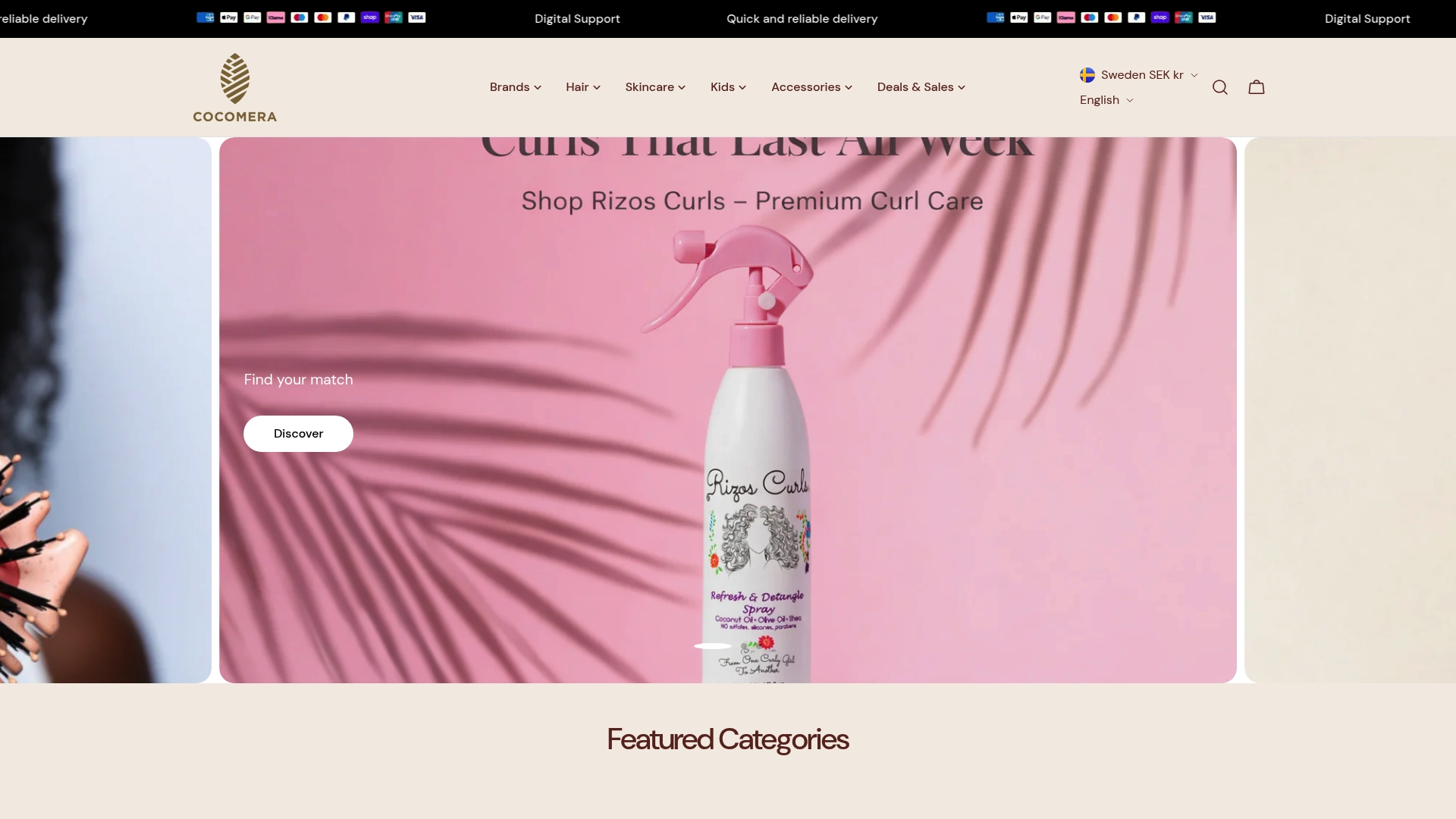
At Cocomera, we have curated a selection of styling creams, gel-serum hybrids, and moisture treatments specifically chosen for wavy, curly, coily, and afro hair types. Whether you are managing type 2 waves or type 4 coils, every product in our range is selected with European curl needs in mind, including climate considerations and porosity variety. Explore styling creams and curl products that match 2026’s trending formulas, or browse our full range for accessories, scalp treatments, and everything else your routine needs, all in one place at cocomera.se.
Frequently asked questions
What layering method suits high-porosity curls?
Use the LOC method (liquid, oil, cream) for high-porosity hair to slow moisture loss before sealing with cream.
Is glycerin safe for European curly hair in humid weather?
Glycerin can pull excess moisture from humid air and cause frizz; choose humidity-aware gels instead when the weather is warm and wet.
What are the top 2026 product picks for curly European hair?
Curlsmith, Davines Love Curl Shampoo, Keune Confident Curl Conditioner, and SheaMoisture Curl Enhancing Smoothie are among the leading picks for European curl types in 2026, alongside gel-serum hybrids for defined hold.
Why are pixies and TWAs more common for curly hair in 2026?
Shorter styles make scalp care and moisture retention easier, which fits the low-maintenance texture trend that is shaping curl routines this year.
How do I avoid flattening fine type 3 curls?
Stick to water-based, lightweight formulas and skip heavy butters, since fine type 3 hair loses its curl pattern quickly under product weight.