Edges återväxt starts with reducing tension on the hairline and building a consistent, texture-specific care routine. The three moves that matter most: switch to low-manipulation styling, add a few minutes of scalp massage with a lightweight moisturizer, and use targeted edge treatments made for curl types 2 to 4. Expect the first visible fuzz after several months of consistent care. There are cleansers, conditioners, and edge-friendly oils designed to support this exact process.
Table of Contents
- What Daily and Weekly Edge Care Actually Looks Like
- Which Styling Habits Damage Edges the Most?
- How Do You Care for the Scalp Underneath Thinning Edges?
- When Should Edge Regrowth Become Visible?
- Does Diet Actually Affect Edge Regrowth?
- What Habits Quietly Damage Edges Besides Tight Styles?
- Perspectives on Edge Regrowth
- Build Your Edge Regrowth Starter Kit
- Sources
- FAQ
What Daily and Weekly Edge Care Actually Looks Like
Edge regrowth isn’t a single product. It’s a rhythm. Textured hair edges are often the finest, most fragile strands on the head, and they respond to small daily habits faster than most people expect.
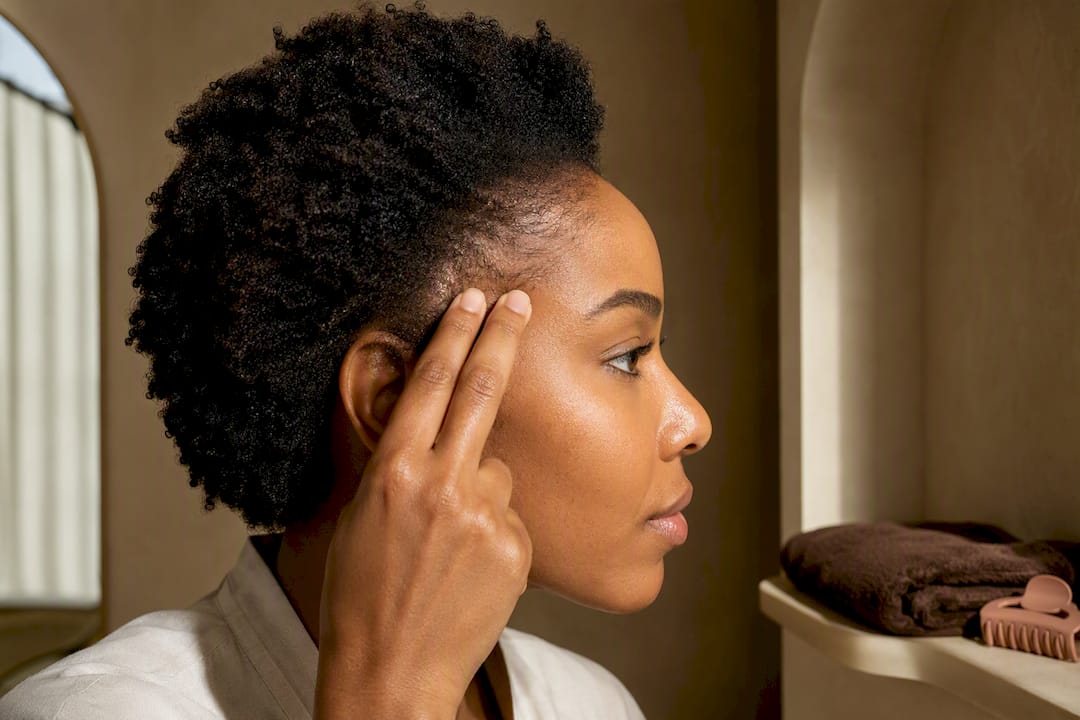
Daily, keep manipulation to a minimum. Smooth edges with fingertips instead of a fine-tooth comb, and only style what needs restyling rather than redoing the whole hairline every morning. Apply a leave-in moisturizer directly to the edges with light pressure, never dragging or pulling. Follow with one to five minutes of gentle scalp massage along the hairline. This isn’t just relaxing. It increases blood flow to the follicles that feed new growth, and it takes less time than making coffee.
Weekly, the routine gets a bit more involved:
- Cleanse with a shampoo suited to your scalp’s current state. If there’s buildup from oils and gels, a clarifying formula clears it out. If edges feel weak and thinning, a strengthening shampoo works better than a stripping one.
- Deep condition to restore elasticity, since brittle strands snap under the same tension that healthy strands shrug off.
- Apply a targeted edge treatment, whether that’s a light oil or a growth serum, using just enough to coat the skin without saturating the hair shaft.
Dosing matters more than people think. Textured scalps trap product easily, and too much oil or serum can clog follicles and attract lint and dust, which defeats the purpose. A pea-sized amount rubbed between the palms and pressed into the hairline goes further than a heavy pour straight from the bottle. Patch-test any new treatment on a small section for a few days before applying it across the whole hairline, especially if you have a history of scalp sensitivity.
Pro Tip: Massage edges in small circles using two fingers, not your whole palm. The concentrated pressure reaches the follicle better and uses less product overall.
For a full walkthrough of massage technique, A guide on scalp massage steps for growth breaks down pressure points and timing. A post on edge care tips for healthy, styled textured hair covers the styling side in more depth.
Which Styling Habits Damage Edges the Most?
Tension is the number one cause of edge thinning in textured hair, and it’s almost always self-inflicted through styling choices rather than genetics. Tight ponytails, slicked-back buns, and braids pulled taut at the hairline put constant mechanical stress on the thinnest, most vulnerable strands. Add repeated friction from wigs, hats, or rough fabric, and the follicle eventually gives up trying to hold on. Heat tools and chemical relaxers compound the damage by weakening the hair shaft itself, so it breaks before it even reaches its natural length.
Here’s a practical checklist for protective styling that won’t work against you:
- Avoid parts and partings that sit in the exact same spot every time. Rotating the part gives stressed follicles a break.
- Choose soft fabric-covered bands or thread instead of rubber bands or metal clips at the hairline.
- Alternate protective styles every four to six weeks rather than repeating the same tight style back to back.
- Limit how long any single style stays in, especially anything with added extensions or tension near the edges.
- Sleep with a satin-lined cap, scarf, or pillowcase to cut down on overnight friction.
Loose cornrows, low-tension buns, and soft two-strand braiding techniques all protect edges far better than anything relying on gel and a tight elastic. For protective styles built specifically for curl types, rotating attachments and keeping tension light matters more than the style itself, since even a “protective” braid can cause traction alopecia if it’s installed too tight.
Watch for red flags: daily scalp pain, a part that’s visibly widening, or breakage that shows up every time you take a style down. Any of those signs mean it’s time to loosen the style immediately, not wait it out until the install schedule says otherwise.
How Do You Care for the Scalp Underneath Thinning Edges?
A healthy follicle needs a clean, moisturized scalp that isn’t drowning in product. That’s a narrower target than it sounds. Over-cleansing strips natural oils and leaves textured hair dry and prone to breakage. Under-cleansing leaves buildup that can irritate the scalp and, over time, interfere with healthy follicle function. The goal is clean but not stripped, moisturized but not smothered, and any itching or flaking addressed right away rather than ignored for months.
On the medical side, topical minoxidil can help regrow hair for some types of hair loss, but it typically takes months of consistent use before results appear (https://www.mayoclinic.org/diseases-conditions/hair-loss/diagnosis-treatment/drc-20372932), and stopping use tends to reverse the gains. That timeline surprises a lot of people who expect visible change in a matter of weeks. Evidence-based treatments for hair loss, including topical and prescription options, require months of adherence and vary depending on the underlying diagnosis.(https://www.health.harvard.edu/skin-and-hair-health/treating-hair-loss-in-men-what-works), which is exactly why consistency matters more than intensity.
A quick reality check on timelines: most people see zero visible change in the first two months of any treatment, topical or otherwise. That’s normal, not a sign the routine has failed.
Practical product guidance for the routine itself:
- Use a cleansing or clarifying shampoo when there’s visible buildup from styling products; switch to a strengthening formula when edges feel weak or overly soft.
- Choose leave-in conditioners over heavy creams for the hairline specifically, since lighter formulas won’t weigh down fine edge hairs.
- Styling gels like Eco Style’s olive oil formula can define edges without heavy tension, as long as they’re applied with fingertips and not brushed in hard with a boar-bristle brush.
- Spot-apply treatments only to sparse or thinning patches rather than coating the entire hairline, and skip the fine-tooth comb on that section entirely.
- Avoid layering multiple heavy products right before styling, since occlusive buildup near the follicle can work against the moisture balance you’re trying to build.
When Should Edge Regrowth Become Visible?
Most people see the first signs of new growth, such as thin baby hairs along the hairline, after several months. Denser regrowth may appear later, depending on the cause of thinning.
Sudden, patchy, painful, or scarring hair loss is not something to manage with a routine change. That calls for a dermatologist visit. Clinicians typically start with a diagnostic exam, and may recommend a scalp biopsy if scarring is suspected, before prescribing topical medications, oral medications, or referring for procedures. In cases where conservative treatment isn’t enough, surgical options like hair transplants can offer permanent results for the right candidates, though they require recovery time and months before new growth appears. The encouraging part: most causes of edge thinning are manageable, and starting care early gives follicles a better shot at bouncing back than waiting until the damage is severe.
Does Diet Actually Affect Edge Regrowth?
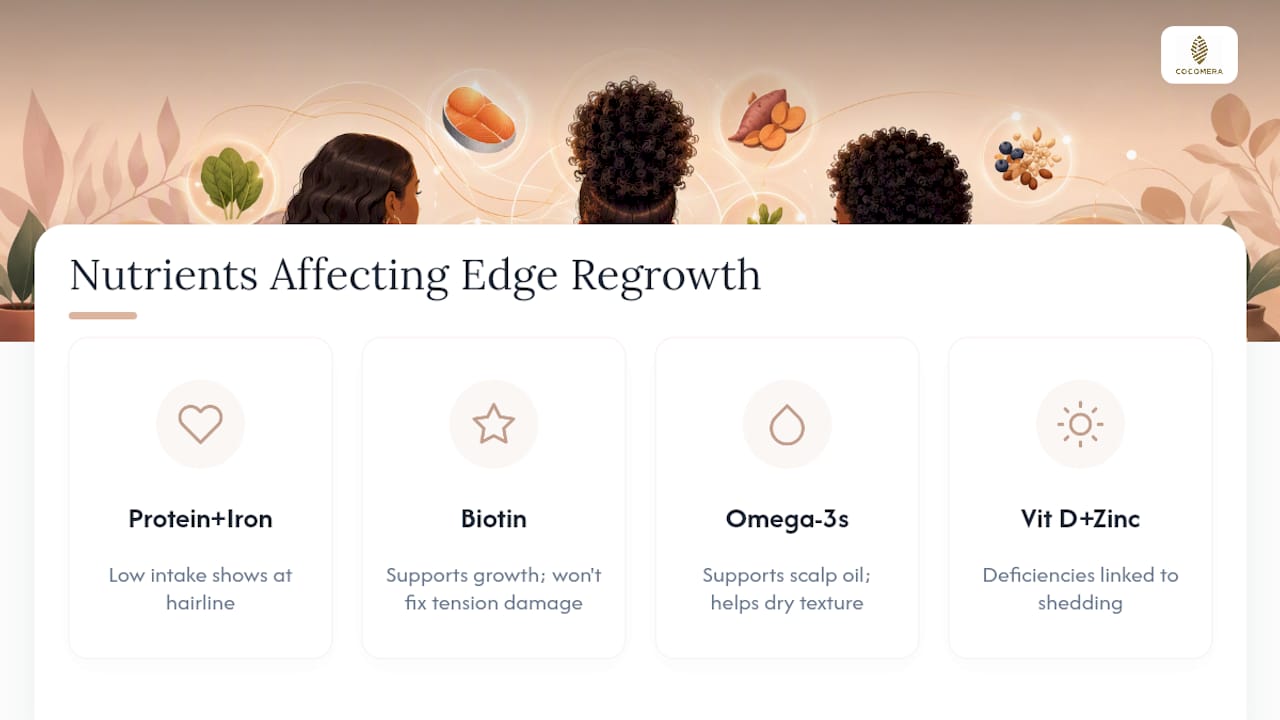
Hair follicles are metabolically active tissue, which means they need a steady supply of protein, iron, zinc, and biotin to keep producing healthy strands. A diet chronically low in protein or iron can show up first at the hairline and temples, since those follicles are already smaller and more sensitive to stress than the rest of the scalp.
That doesn’t mean supplements are a shortcut around styling damage. No amount of biotin fixes a hairline that’s under constant tension from a tight braid. But nutrition does set the baseline for how well any topical treatment or gentler routine can actually work. Iron deficiency in particular is a common, often overlooked contributor to diffuse thinning, and it’s worth ruling out with a doctor if regrowth stalls despite a solid care routine.
Omega-3 fatty acids, found in fatty fish and flaxseed, support the scalp’s natural oil production, which matters for textured hair that’s already prone to dryness. Vitamin D and zinc both play a role in the hair growth cycle, and deficiencies in either have been linked to shedding. For a broader look at how diet supports skin, hair, and nails together, this beauty-first nutrition guide is a reasonable starting point. Whole foods do more heavy lifting here than any single supplement, and results from dietary changes tend to take just as long as topical treatments, often three months or more before they show up in new growth.
What Habits Quietly Damage Edges Besides Tight Styles?
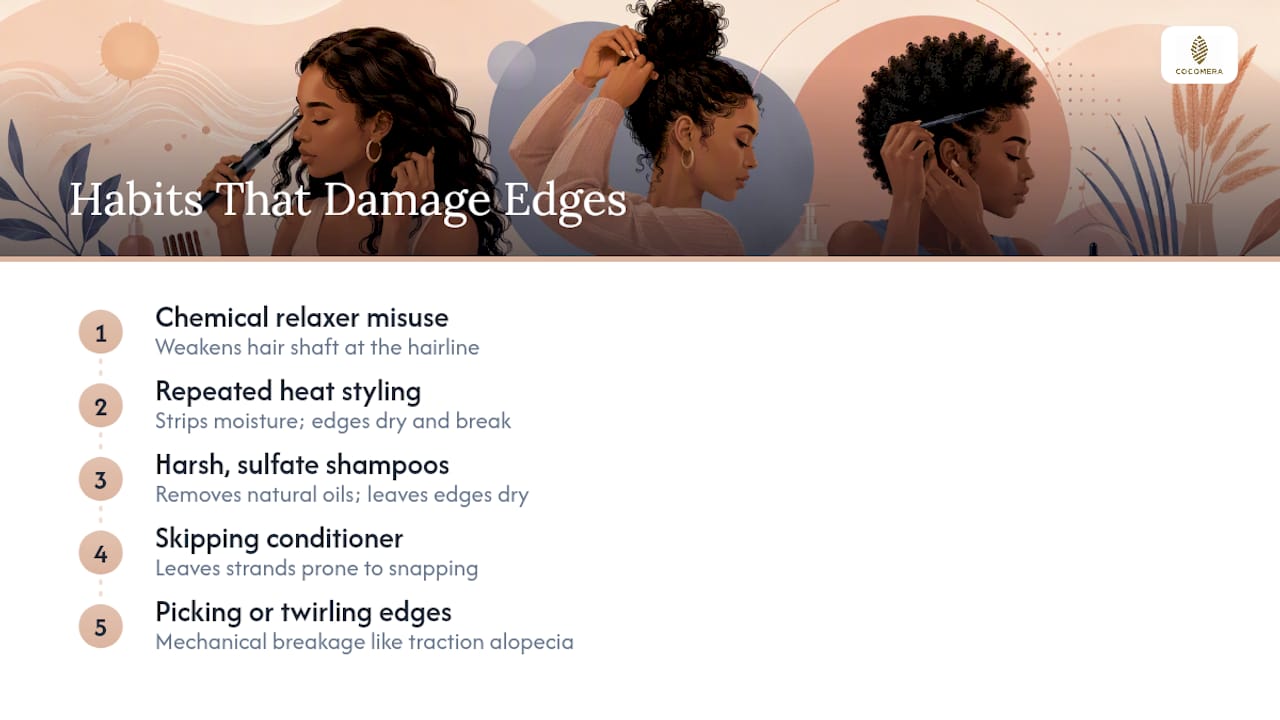
Tension gets most of the blame, but it’s far from the only culprit. Chemical relaxers applied too close to the hairline, or left on too long, weaken the protein structure of the hair shaft right where it’s already thinnest and most fragile. Repeated relaxer touch ups on the same section of hair compound that damage over time, even when the rest of the head handles the chemical process fine.
Heat styling is another quiet offender. Flat irons and blow dryers used without a heat protectant strip moisture from the hair shaft, and edges, being finer, dry out and break faster than the rest of the head under the same heat exposure. A product like Pantene’s Gold Series thermal protector creates a buffer, but skipping heat altogether near the hairline is the safer default.
Sleeping on a cotton pillowcase creates nightly friction that most people never connect to their thinning edges. Cotton pulls moisture out of the hair and grips strands as you move, which adds up to real breakage over months. Switching to satin or silk solves this almost entirely.
Over-washing with harsh, sulfate-heavy shampoos strips the scalp’s natural oils and leaves edges dry and prone to snapping. So does skipping conditioner to save time. And picking or twirling thinning edges, an unconscious habit for a lot of people under stress, causes mechanical damage that mimics traction alopecia without any styling tool involved at all.
Perspectives on Edge Regrowth
Most edge regrowth advice online treats textured hair as an afterthought, offering the same tips written for straight hair with a curl pattern tacked on. This approach often fails coily and curly hairlines specifically. Selecting products based on how they behave on type 2 to 4 curls is more effective than adapting formulas built for other hair textures.
Matching a cleanser, conditioner, and edge treatment to your specific curl pattern and scalp sensitivity is recommended over choosing from generic options. Start small: a cleansing shampoo, a hydrating conditioner, and one lightweight edge treatment cover most of what a beginner routine needs.
— Cocomera
Build Your Edge Regrowth Starter Kit
A tight starter kit beats a shelf full of half-used products. Products curated specifically for curl types 2 through 4 help avoid guessing which cleanser strips the scalp or which conditioner is too heavy for fine edge hairs.

Start with a cleanse: the AS I AM Curl Clarity Shampoo clears buildup without over-stripping, while the Innersense Hair Renew Scalp Hairbath targets scalp health directly, a good weekly pick if your edges sit on a sensitive scalp. If your edges lean weak rather than buildup-heavy, the AS I AM Jamaican Black Castor Oil Shampoo strengthens while it cleanses.
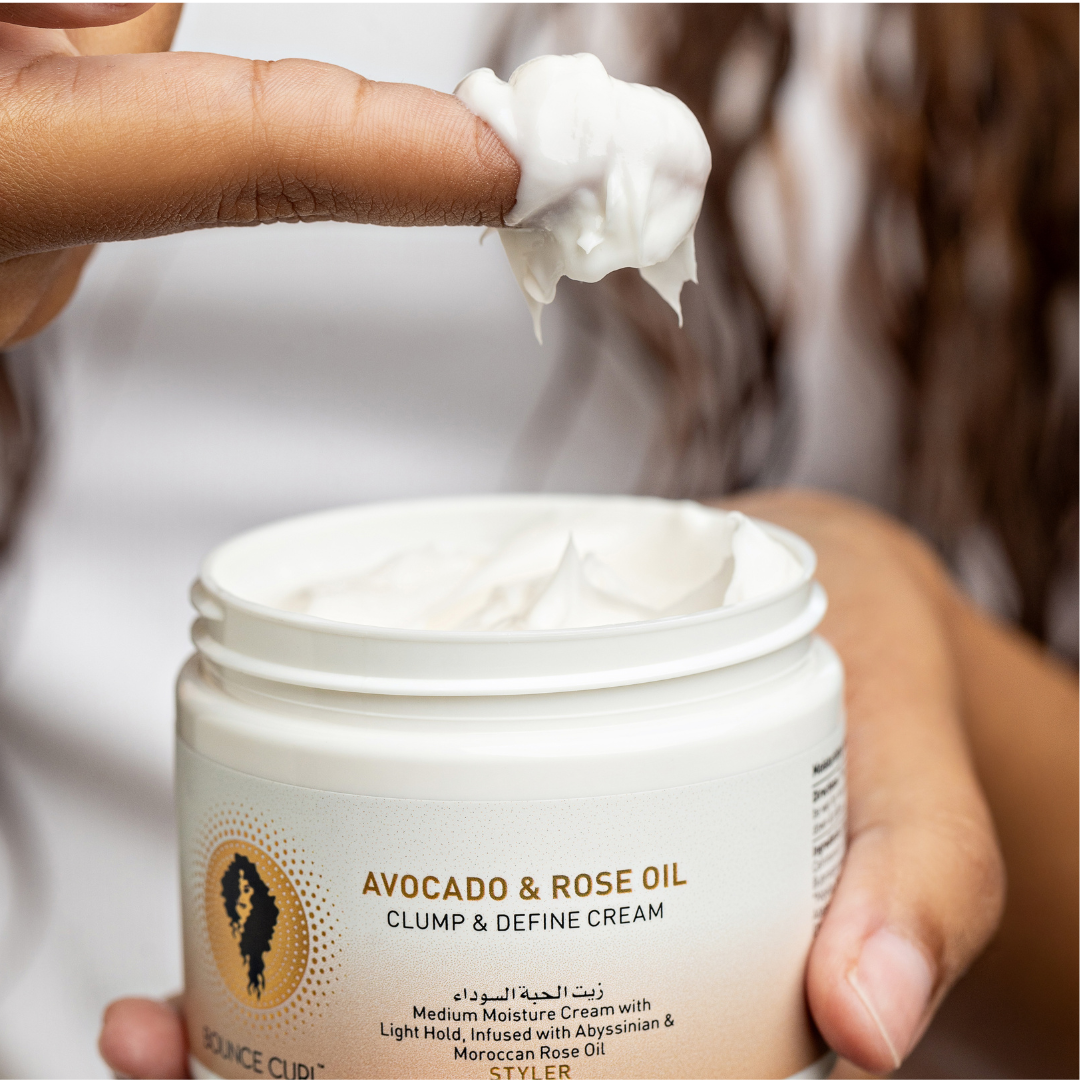
For conditioning, the Innersense Clarity Conditioner works well after a clarifying wash, and the As I Am Hydration Elation Intensive Conditioner or Pattern Intensive Conditioner restore elasticity to brittle, thinning strands. Finish styling with the Eco Style Olive Oil Styling Gel for hold without harsh tension, or the Pantene Gold Series Thermal Heat Protector if heat styling is part of your routine. Browse the full styling collection to build out the rest of your routine.
Sources
Timeline and treatment claims here draw on Mayo Clinic, Harvard Health, and Cleveland Clinic. For procedural steps, see Cocomera’s guides on scalp massage and edge care.
This article is general information, not a substitute for advice from a qualified doctor. Consult a qualified healthcare professional about your own circumstances before acting on anything here.
- Hair Loss Treatments: Topical, Medications & Surgery Options - Cleveland Clinic
- Hair Transplant Surgery: Types, Cost, Results, and Recovery - WebMD
FAQ
How Long Does Edges Återväxt Take to Show Results?
Most people notice fine new hairs at the hairline around three months into a consistent routine, with fuller regrowth typically visible by six months.
Can Edge Control and Gel Cause More Thinning?
Yes, if applied with a tight brush and pulled hard against the scalp; a lighter gel like Eco Style’s olive oil formula applied gently with fingertips avoids that tension.
What Products Are Recommended for Edge Regrowth?
A cleansing shampoo, a hydrating conditioner, and a lightweight styling gel form a solid starter routine; current prices and full product details are available on the retailer’s site.
When Should I See a Dermatologist About Thinning Edges?
Seek a dermatologist promptly if hair loss is sudden, patchy, painful, or shows signs of scarring, since those symptoms need diagnosis beyond routine care.
Does Diet Really Affect Hairline Regrowth?
Deficiencies in iron, protein, or zinc can contribute to thinning at the hairline, and correcting them supports regrowth, though dietary changes typically take three months or more to show results.