TL;DR:
- Using silk or satin fabric reduces hair breakage by up to 50 percent compared to cotton because these smooth materials minimize friction.
- Wrapping damp hair at 70–80 percent dryness, with proper tension and moisture sealing, protects curly and afro-textured hair from damage and breakage.
Hair wrapping is defined as a protective styling technique that uses fabric to cover and secure natural hair, reducing friction, retaining moisture, and preventing breakage. If you want to know how to wrap natural hair correctly, the fabric you choose and the tension you apply matter more than most people realize. Silk and satin are the gold standard materials because they preserve curl definition and lock in moisture. Cotton, by contrast, absorbs natural oils from your strands, leaving hair dry and prone to frizz. Get these two fundamentals right, and wrapping becomes one of the most effective tools in your natural hair care routine.
How to wrap natural hair: choosing the right fabric first
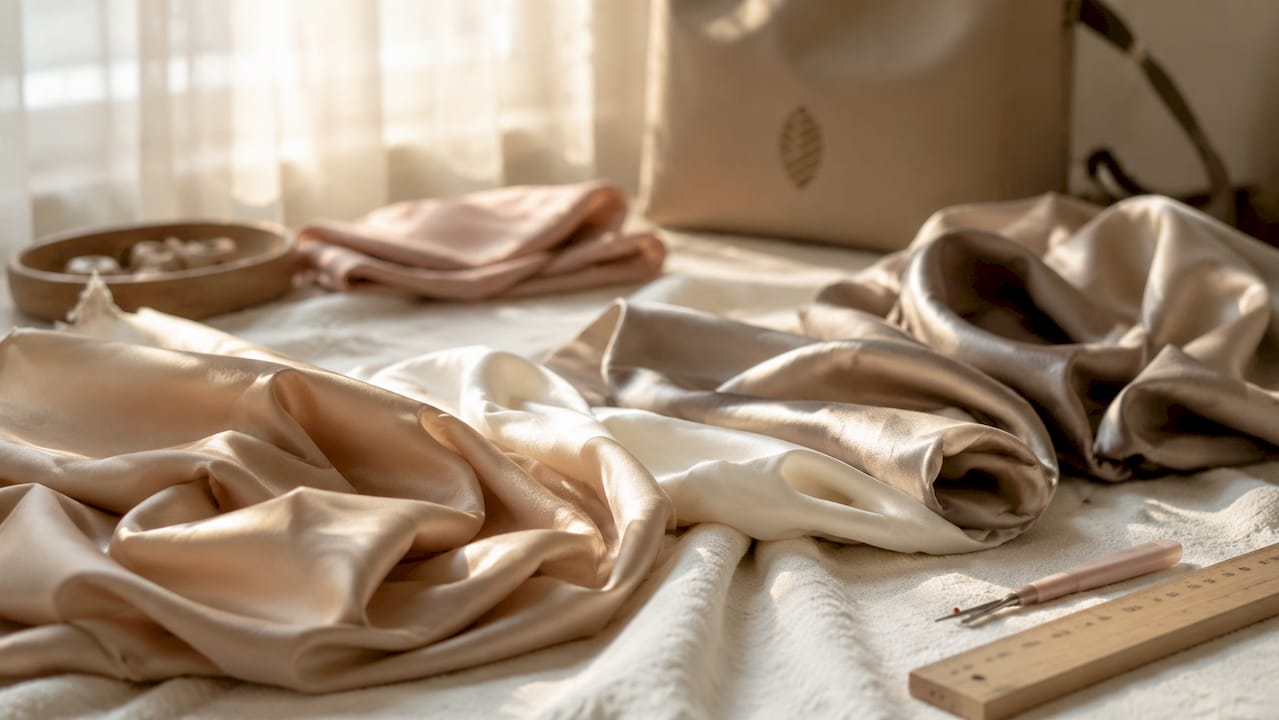
The fabric you wrap your hair in determines whether the technique protects or damages your strands. Silk or satin head wraps reduce hair breakage by up to 50% compared to cotton towels by minimizing friction and cuticle abrasion. That number reflects a real mechanical difference: silk’s smooth surface lets hair glide rather than snag.
Cotton acts like a sponge, pulling moisture and natural oils directly from your hair shaft. The result is increased frizz and dryness, especially for type 3 and type 4 curl patterns that already struggle to retain moisture. Polyester blends share this problem and add static on top of it.
For full coverage without excessive tension, experts recommend fabric squares of at least 36x36 inches. Smaller pieces force you to pull tighter to secure the wrap, which creates the exact pressure you are trying to avoid. A larger square gives you room to cross, tuck, and adjust without straining your hairline.
The best fabric options for wrapping natural hair:
- Pure silk scarves: The highest protection, frictionless surface, and moisture retention. Best for nighttime use.
- Satin-lined bonnets: Easier to put on quickly. Great for sleeping and travel.
- Satin-lined cotton wraps: A practical middle ground. The cotton exterior grips, the satin interior protects.
- Jersey knit or bamboo blends: Softer than standard cotton and less absorbent. Acceptable for short daytime wraps.
Pro Tip: Layer a silk or satin bonnet underneath a cotton-blend outer wrap. The bonnet protects your strands while the outer wrap grips your head without slipping. This dual-layer method gives you security and protection at the same time.
What do you need to prepare before wrapping?
Wrapping works best on hair that is neither soaking wet nor completely dry. Soaking wet hair is fragile and stretches under tension. Bone dry hair, especially type 4 coils, is brittle and more likely to break when manipulated. The sweet spot is damp hair, roughly 70–80% dry.
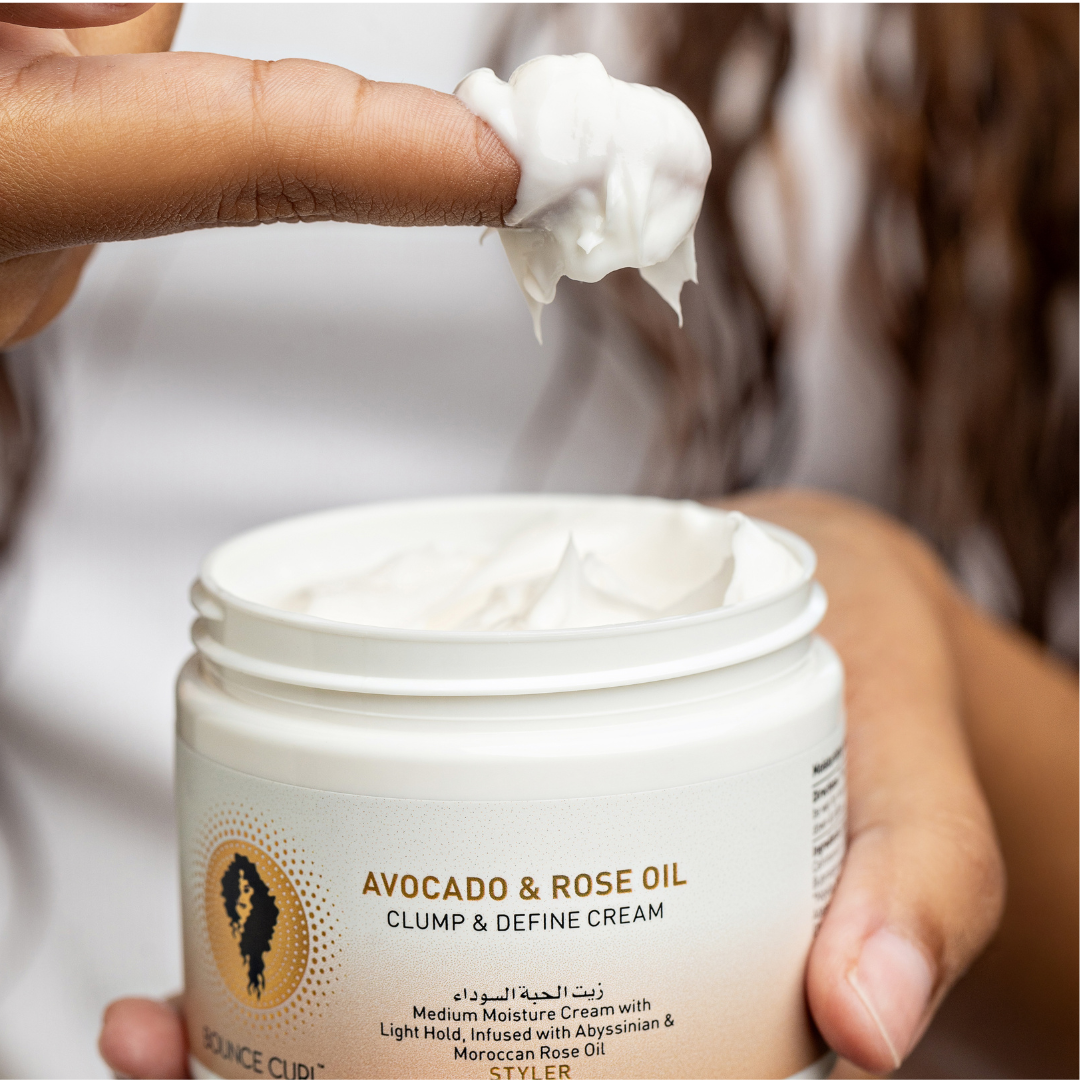
Start by applying a leave-in conditioner or a lightweight oil to seal in moisture before you wrap. This step is especially important if you plan to wear the wrap overnight. Sealed moisture stays in the hair shaft rather than evaporating into the fabric.
To remove excess water without roughing up the cuticle, use a microfiber towel or a plain cotton T-shirt. Blot gently rather than rubbing. The hair plopping method uses a T-shirt wrap left on for 10–20 minutes to absorb water without stripping your natural oils. That timing matters: less than 10 minutes leaves too much moisture, and more than 20 minutes can start to dry the hair unevenly.
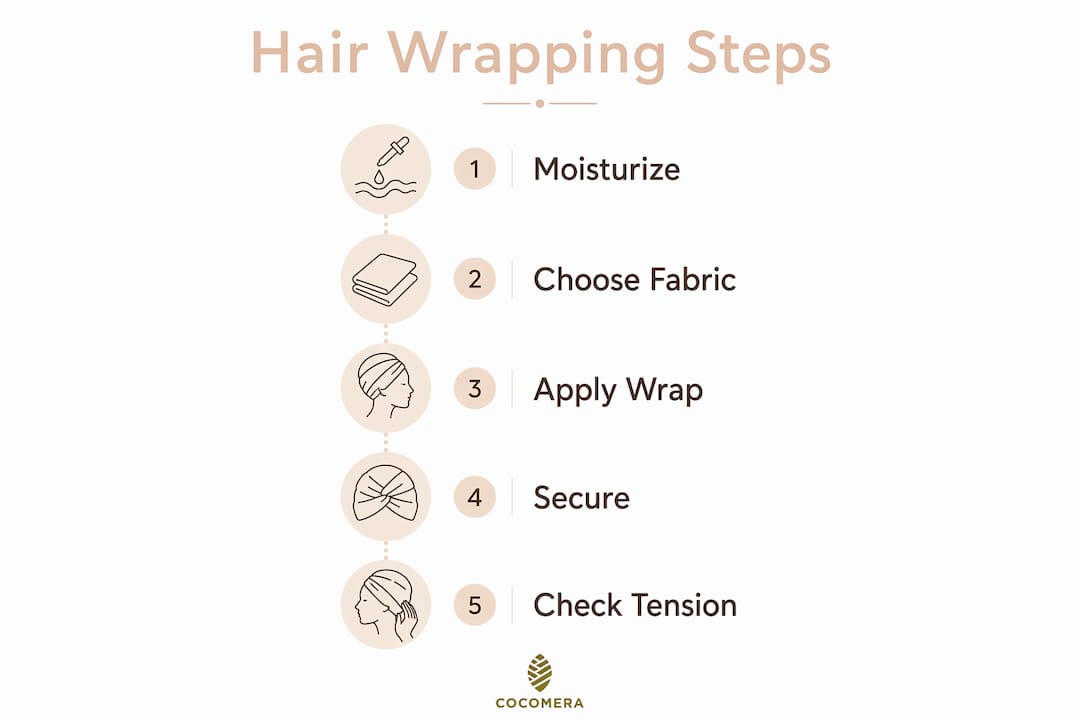
Essential prep checklist before wrapping:
- Apply leave-in conditioner or sealing oil to damp hair
- Blot excess water with a microfiber towel or cotton T-shirt
- Let hair reach roughly 70–80% dryness before wrapping
- Use a fabric square of at least 36x36 inches for full coverage
- Detangle gently with a wide-tooth comb or your fingers
| Prep step | Why it matters |
|---|---|
| Apply leave-in or oil | Seals moisture inside the hair shaft before fabric contact |
| Blot, do not rub | Rubbing roughens the cuticle and causes frizz |
| Wrap at 70–80% dry | Prevents breakage from wet tension and dryness from over-drying |
| Use correct fabric size | Smaller pieces force tighter tension, risking hairline damage |
Pro Tip: Scrunch a small amount of curl cream or gel into your hair before wrapping. This sets your curl pattern so it dries in shape rather than flat, giving you better definition when you unwrap.
Step-by-step methods for wrapping curly and afro-textured hair
Different curl types and hair lengths call for slightly different approaches. The core technique stays the same: fold, place, cross, and tuck. What changes is how much fabric you gather and where you anchor the ends.
The standard diagonal wrap
- Fold your fabric square diagonally to form a triangle.
- Place the longest edge along your hairline, with the point of the triangle at the back of your head.
- Pull both ends toward the back and cross them over the triangle point.
- Bring the ends to the front and cross them again above your forehead.
- Tuck both ends under the wrap at the front or side. Do not tie a knot.
The key step most people skip is step 5. Avoid tying knots that create pressure points. Crossing and tucking distributes tension evenly. A knot concentrates it in one spot, which stresses the follicles directly underneath.
The Two-Finger Rule for safe tension
Once the wrap is secured, slide two fingers between the fabric and your scalp. If your fingers move freely, the tension is correct. If you cannot fit two fingers, the wrap is too tight. The Two-Finger Rule is the fastest way to check whether you are risking hairline damage before it becomes a problem.
Nighttime vs. daytime wrapping
| Method | Best for | Key difference |
|---|---|---|
| Silk bonnet | All curl types, nighttime | Easiest on, easiest off. No tension on hairline. |
| Diagonal scarf wrap | Type 3 and 4, nighttime or daytime | More coverage, better for longer hair. |
| Satin-lined turban | Short to medium hair, daytime | Stylish, secure, and protective at once. |
| T-shirt plop wrap | All curl types, post-wash only | Absorbs water and sets curl pattern simultaneously. |
Pro Tip: For afro-textured hair with significant volume, gather your hair loosely at the crown before wrapping. This protects your curl pattern and prevents the wrap from flattening your roots.
What mistakes should you avoid when wrapping natural hair?
The most common wrapping mistake is pulling too tight. Excessive tension on the hairline causes traction alopecia, a form of follicle damage that can become permanent. The American Academy of Dermatology identifies tight hairstyles as a leading preventable cause of hair loss in Black women. Wrapping should feel like a gentle hug around your head, not a squeeze.
Common mistakes and how to fix them:
- Wrapping soaking wet hair: Wait until hair is mostly dry. Wet hair under tension stretches and snaps.
- Using fabric that is too narrow: A strip of fabric forces you to wrap multiple times and pull harder. Use a full square.
- Tying tight knots: Replace knots with the cross-and-tuck method described above.
- Skipping moisture prep: Dry hair wrapped in any fabric will get drier. Always apply a leave-in or oil first.
- Wearing the wrap too long during the day: Daytime wraps worn for more than a few hours can flatten curl patterns. Unwrap and refresh with a light mist if needed.
Wraps should aim for a snug but gentle fit to maintain hair security without risking follicle damage. If your scalp feels tender after removing a wrap, you wrapped too tightly.
Slippage is the second most common problem. If your wrap keeps falling off, the fabric is too slippery on its own. The fix is simple: wear a silk or satin bonnet underneath. The bonnet grips your hair while the outer wrap grips the bonnet. You get hold without tension. This layered bonnet approach also works well for people with very fine or silky curl patterns that tend to slide out of wraps easily.
Pro Tip: If your edges feel sore after wrapping, place the fabric slightly further back from your hairline. Your hairline edges are the most fragile part of your hair and the first place traction alopecia appears.
Key Takeaways
Wrapping natural hair correctly requires the right fabric, proper moisture prep, and controlled tension to protect curls and prevent breakage.
| Point | Details |
|---|---|
| Fabric choice is foundational | Silk and satin reduce breakage by up to 50% compared to cotton by eliminating friction. |
| Prep hair at 70–80% dryness | Wrapping wet hair causes tension breakage; wrapping dry hair causes brittleness. |
| Cross and tuck, never knot | Tucking ends distributes tension evenly and protects follicles from pressure points. |
| Use the Two-Finger Rule | Slide two fingers under the wrap to confirm tension is safe before sleeping or going out. |
| Layer for security | A silk bonnet under a cotton-blend wrap solves slippage without adding harmful tension. |
What wrapping has taught me about natural hair care
At Cocomera, we work with textured hair every day, and wrapping is one of the techniques we see people either get completely right or completely wrong. The difference almost always comes down to one thing: treating the wrap as a passive accessory rather than an active part of your moisture routine.
The wraps that actually work are the ones paired with a proper leave-in or sealing oil. Fabric alone does not retain moisture. It reduces the loss of moisture that is already in your hair. If you skip the moisture sealing step, you are just covering dry hair with fabric, and you will wake up with the same dry hair.
The other thing worth saying plainly: wrapping has deep cultural roots across African, Caribbean, and South Asian traditions. These were not just style choices. They were practical, protective practices developed by people who understood their hair. Modern hair science has confirmed what those traditions knew. That context matters. When you wrap your hair, you are participating in something with real history behind it, not just following a trend.
My honest recommendation is to start with a silk bonnet for sleep and add a scarf wrap for daytime styling once you are comfortable with the tension. Build the habit before you build the style. Your hair breakage will decrease, your curl definition will improve, and your styles will last longer between wash days.
— Cocomera
Products that support your wrapping routine
A great wrap starts before the fabric goes on. The leave-in conditioners, curl creams, and sealing oils you apply to damp hair determine how much moisture your wrap actually locks in. At Cocomera, every product in our curly hair styling collection is curated specifically for wavy, curly, coily, and afro-textured hair types 2, 3, and 4. You will find leave-in products that prep your hair for wrapping and leave-in styling options designed to hold curl definition through the night. If your hair needs deeper nourishment before wrapping becomes effective, our hair treatment range covers that too. Everything is in one place so you can build a routine that actually fits your curl type.
FAQ
What fabric is best for wrapping natural hair?
Silk is the best fabric for wrapping natural hair because its smooth surface reduces friction and preserves moisture. Satin is a close second and more affordable for everyday use.
How do I keep my hair wrap from slipping off at night?
Wear a silk or satin bonnet underneath your outer wrap. The bonnet grips your hair while the wrap grips the bonnet, giving you hold without extra tension.
Can wrapping natural hair cause hair loss?
Wrapping too tightly can cause traction alopecia, a form of follicle damage linked to excessive tension. Always use the Two-Finger Rule to check that your wrap is snug but not tight.
How long should I leave a T-shirt wrap on my hair?
Leave a cotton T-shirt wrap on for 10–20 minutes after washing to absorb excess water without stripping your natural oils. Leaving it on longer can cause uneven drying.
Should I wrap my hair wet or dry?
Wrap your hair when it is roughly 70–80% dry. Wet hair is fragile under tension, and completely dry hair is more brittle and prone to breakage during manipulation.