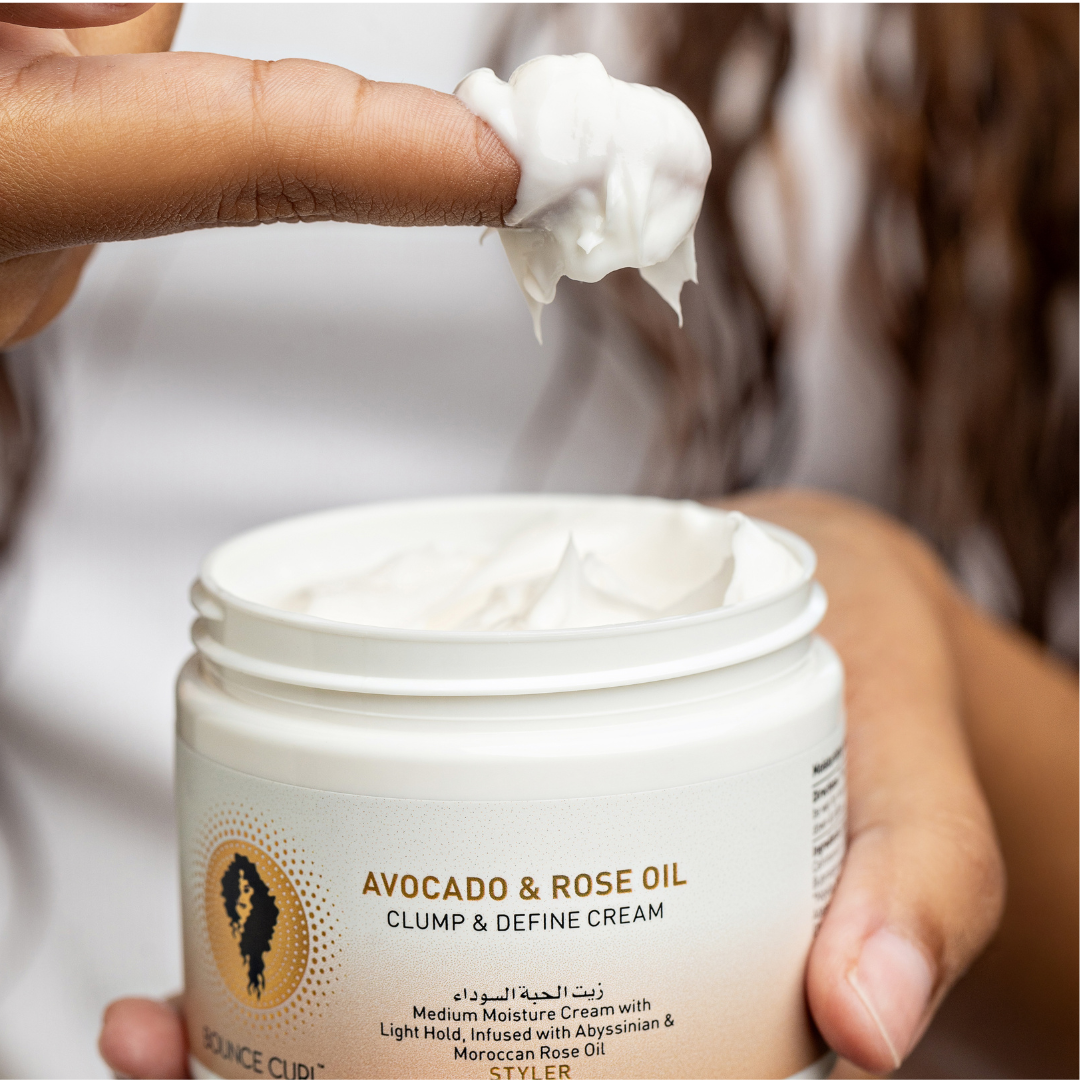
Wash your curls twice a week, max. Load conditioner, leave-in, curl cream, and a light gel onto soaking wet hair. Dry with a T-shirt or diffuser instead of a towel. That’s the whole routine, and it works because curls thrive on moisture and hate friction. Fill the gaps with a mist-based refresh between washes and a trim every 8 to 12 weeks, and you’ve got defined, low-frizz curls without overcomplicating your bathroom shelf. You’ll need three product types to pull it off: a moisturizing shampoo, a leave-in or styling cream, and something to refresh curls on off days. These product types are commonly available from specialized hair care retailers.
TL;DR:
- Washing curly hair twice a week helps maintain moisture and prevent dryness, especially for finer curls that produce less sebum.
- Applying products to soaking wet hair and layering them in a specific order enhances curl definition while reducing frizz.
- Using a microfiber towel or a T-shirt to dry curls limits frizz by avoiding rough fibers that disturb the cuticle.
- Refreshing curls midweek with water or leave-in spray is sufficient to maintain bounce without full washing, with trims every 8 to 12 weeks to prevent split ends.
- Choosing products with humectants and emollients, and avoiding alcohol-heavy formulas, supports hydration and curl health for all hair textures.
Table of Contents
- Män Lockigt Hår Rutin: Wash-Day Steps in the Shower
- Post-Shower Styling: Building Curl Definition That Lasts
- How Should You Dry Curly Hair to Avoid Frizz?
- Refresh Routine: Keeping Curls Alive Between Washes
- What Products Actually Work for Men’s Curly Hair?
- Why This Routine Actually Works
- A Note From Cocomera
- Shop the Routine: Where to Start
- Sources
Män Lockigt Hår Rutin: Wash-Day Steps in the Shower
Wash day is where most guys either build good curls or wreck them before they even leave the bathroom. The goal isn’t a squeaky-clean scalp. It’s removing buildup without stripping the natural oils your curl pattern depends on.
Start by deciding how often you actually need to wash. Curly hair produces less visible oil at the scalp than straight hair because the twists and bends in the strand slow down how sebum travels down the shaft. That’s why capping washes at about twice a week tends to keep curls hydrated instead of dried out. If you’re using a lot of styling product, you’ll also want to clarify periodically, which we’ll cover shortly.
Here’s the shower sequence, start to finish:
- Wet hair thoroughly with lukewarm water to open the cuticle before product goes on.
- Apply a gentle, curly-specific shampoo or co-wash and massage your scalp with your fingertips, not your nails, to loosen buildup.
- Rinse, then apply conditioner from mid-lengths to ends, skipping the scalp.
- Finger-detangle or run a wide-tooth comb through while the conditioner is still in. This is the moment your curls are most protected from breakage.
- Rinse with cool or lukewarm water to help the cuticle lie flat, which reduces frizz before you even start styling.
- If your hair feels dry or straw-like, work in a deep conditioner once a week and let it sit for 10 to 15 minutes before rinsing.
Moisturizing ingredients do most of the heavy lifting here, similar to the hydration benefits highlighted in the best men’s body butter for real hydration. Curly strands lose moisture faster than straight hair because the bends in the shaft create weak points, so a mild shampoo paired with a real conditioner matters more for curls than for any other hair type.
Post-Shower Styling: Building Curl Definition That Lasts
Everything you apply after the shower should go on while your hair is still soaking wet, not damp. Water helps product spread evenly and encourages strands to clump into defined curls instead of drying into separate, frizzy pieces. This single habit fixes more frizz problems than any product swap.
The order matters:
- Leave-in conditioner first, for moisture that lasts through the day.
- Curl cream or curl milk next, to shape and define the clump.
- A light gel or mousse last, for hold that survives Sweden’s damp winters and dry indoor heat.
Applying products to soaking wet hair and layering them in this order gives you both moisture and hold without weighing curls down.
For technique, section your hair into two or four parts so you’re not just piling product on top. Use “praying hands” (smoothing palms together over a section) or the “cram and scrunch” method, cupping hair and pushing it upward toward the scalp to encourage clumping. If your curl pattern is tighter, finger-twist individual sections for more defined ringlets.
Once gel is in, it forms a “cast,” a stiff outer shell that locks the curl shape while it dries. Leave it alone. Touching it before it’s fully dry breaks the clumps apart and causes frizz. Only scrunch it out once your hair is completely dry.
Pro Tip: Guys with thin or fine curls should use a dime-sized amount of cream and a quarter-sized amount of gel. Thick or coarse curls often need triple that, so don’t be shy with the product if your hair swallows it up.
How Should You Dry Curly Hair to Avoid Frizz?
Skip the terry towel. The looped fibers grab onto your cuticle and rough it up, which is exactly what causes frizz. A cotton T-shirt or a microfiber towel glides over the hair instead of catching it, and that difference alone cuts down frizz significantly.
- Blot and squeeze gently, don’t rub, working from roots to ends.
- If you diffuse, use low heat and low airflow, and “cup dry” by scooping curls upward into the diffuser bowl to preserve clumping.
- Reserve high heat for special occasions. Repeated heat styling wears down curl memory over time, and once that bounce is gone it’s slow to come back.
- At night, loosely gather curls on top of your head (the “pineapple” method) and sleep on a satin pillowcase or under a bonnet to cut friction while you sleep.
Refresh Routine: Keeping Curls Alive Between Washes
Days two through four don’t require a full wash. They require a refresh: mist your curls with water, or water mixed with a small amount of leave-in, focusing on flattened spots at the crown and back where you slept on them. Scrunch gently to reactivate the curl pattern, and stop before hair gets fully saturated again.
- Use a dedicated refresh spray for a quicker fix, or a small dab of leave-in worked through with wet palms.
- Misting with water and a touch of leave-in reactivates yesterday’s product instead of forcing you into another full wash.
- Clarify every one to two weeks, or monthly if you’re heavy-handed with styling products. Dull-looking curls or product that won’t lather are the signs it’s time.
- Get a trim every 8 to 12 weeks to clear split ends before they travel up the strand and wreck your curl shape.
For a deeper breakdown of the day-two-to-four routine, Cocomera’s guide on how to refresh curly hair walks through the exact motions.
What Products Actually Work for Men’s Curly Hair?
Read the label before the marketing copy. You’re looking for humectants like glycerin, which pull moisture into the strand, and emollients like shea butter or natural oils, which seal it in. Skip anything loaded with drying alcohols near the top of the ingredient list. If you have fine curls, lean toward lighter lotions and gels. Thick, coarse curls can handle heavier butters and creams without going limp.
Three products cover the core routine:
- LETS DRED Locks and Braid Spray works as a refresh and hold spray between washes, ideal for locks, braids, or looser curls that need a midweek boost without a full re-wet.
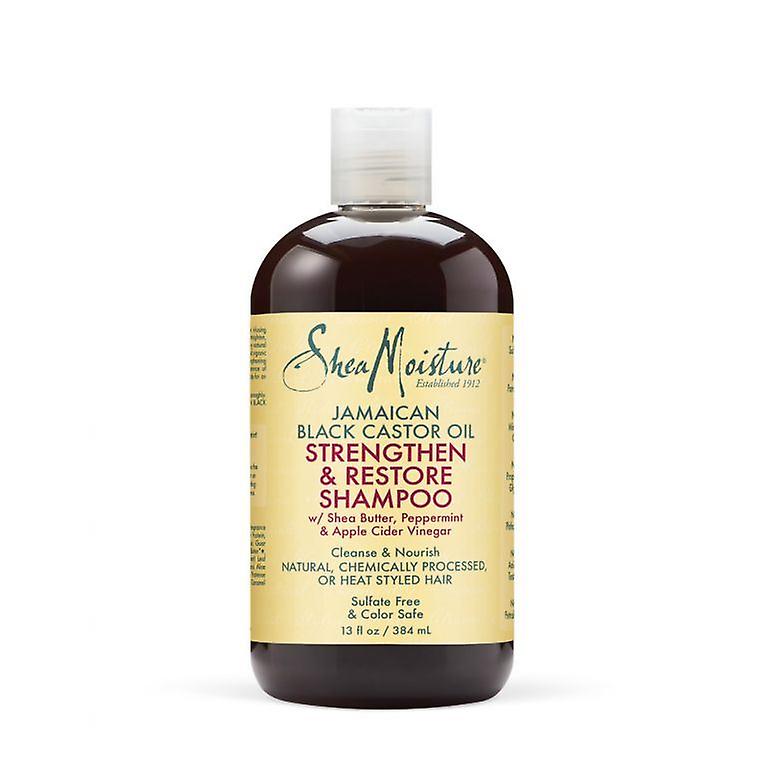
- Shea Moisture Jamaican Black Castor Oil Shampoo handles wash day, built to strengthen and moisturize coarser or drier curl types without stripping them out.
- SKALA Mais Lisos 2in1 doubles as a cleanser and conditioner in one bottle, handy for a co-wash style rinse on the days your curls need moisture more than a deep clean.
New to a product? Try a small amount on one section first. Buildup from a new formula can mimic dryness or frizz, and you don’t want to chase the wrong problem for two weeks before realizing it’s the product, not your hair.
Why This Routine Actually Works
Curl pattern comes down to shape and porosity, how easily your strand takes in and holds moisture. Bends in the hair shaft mean curls lose water faster than straight hair, which is exactly why limiting washes and layering wet products makes such a visible difference.
The habit that separates defined curls from frizzy ones isn’t a single product. It’s refreshing between washes instead of re-washing, and leaving the gel cast alone until it’s bone dry.
Swap in lighter creams for summer humidity and heavier butters for dry winter air. Detangle before you shampoo, not after, so you’re not fighting knots under running water. For more on stopping frizz at the source, see Cocomera’s guide on how to stop curly hair frizz.
A Note From Cocomera
We built our curl lineup around one idea: textured hair needs moisture-first products, not generic ones repackaged for curls. Try the routine above for a few weeks before judging your curl type. If you want the deeper how-tos, our guides on air-drying techniques and wash-day steps go further than we could here.
— Cocomera
Shop the Routine: Where to Start
The goal is to simplify finding products that work well together without trying multiple brands. Start with the shampoo, add the refresh spray for midweek days, and keep the 2in1 on hand for lighter wash days or travel.

- Wash day starts with the Shea Moisture Jamaican Black Castor Oil Shampoo, built to clean without stripping curl moisture.
- Keep curls alive on day three with the LETS DRED Locks and Braid Spray instead of jumping into another full wash.
- Reach for SKALA Mais Lisos 2in1 when you want a lighter conditioning wash without pulling out three separate bottles.
Browse the full curl lineup at Cocomera and build a routine that matches your curl density and porosity instead of settling for whatever’s on the nearest drugstore shelf.
Sources
- How often should you actually cut your hair? | Vogue Scandinavia
- Trendspaning: lockigt hår | Gents
- How to take care of curly hair | Healthline
- Killar med Lockigt Hår - Dagens Vinkel