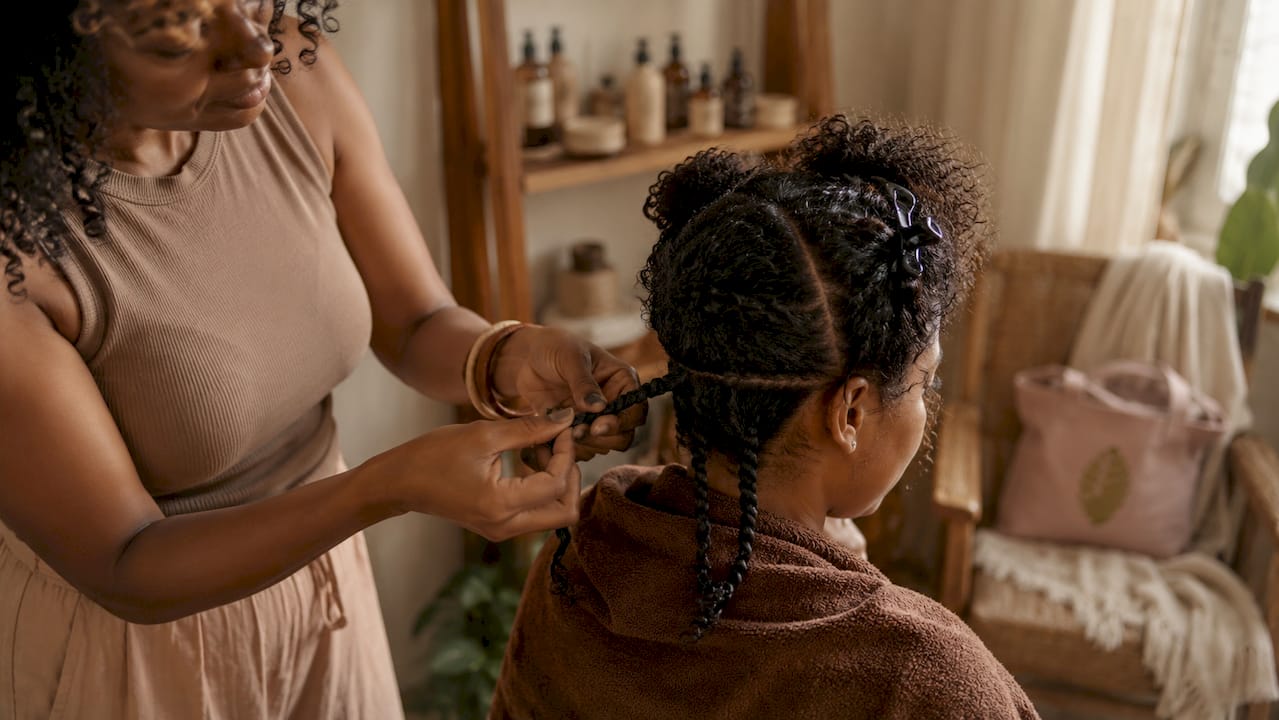
Protective styles for curls reduce manipulation and keep ends tucked to prevent breakage and promote growth. Proper tension management, scalp care, and regular rest periods are essential to maintain healthy hair and avoid damage. Choosing styles based on curl type, hair density, and lifestyle ensures optimal results and long-term hair health.
Protective styles for curls are hairstyles designed to shield your natural hair from damage by reducing daily manipulation and keeping the fragile ends tucked away. The core function of any protective style is length retention through breakage prevention, which matters most for curl types 3C through 4C where the coil shape makes ends especially vulnerable to dryness and snapping. These styles also improve moisture retention for curly and coily textures, which lose hydration faster due to their curl pattern. Done right, protective styling is one of the most effective tools for growing longer, healthier textured hair.
What are the most effective protective styles for curls?
The best protective hairstyles for natural hair share two traits: they keep your ends away from friction, and they do not pull your scalp. Below are the top options, with what makes each one work and what to watch for.
1. Two-strand twists
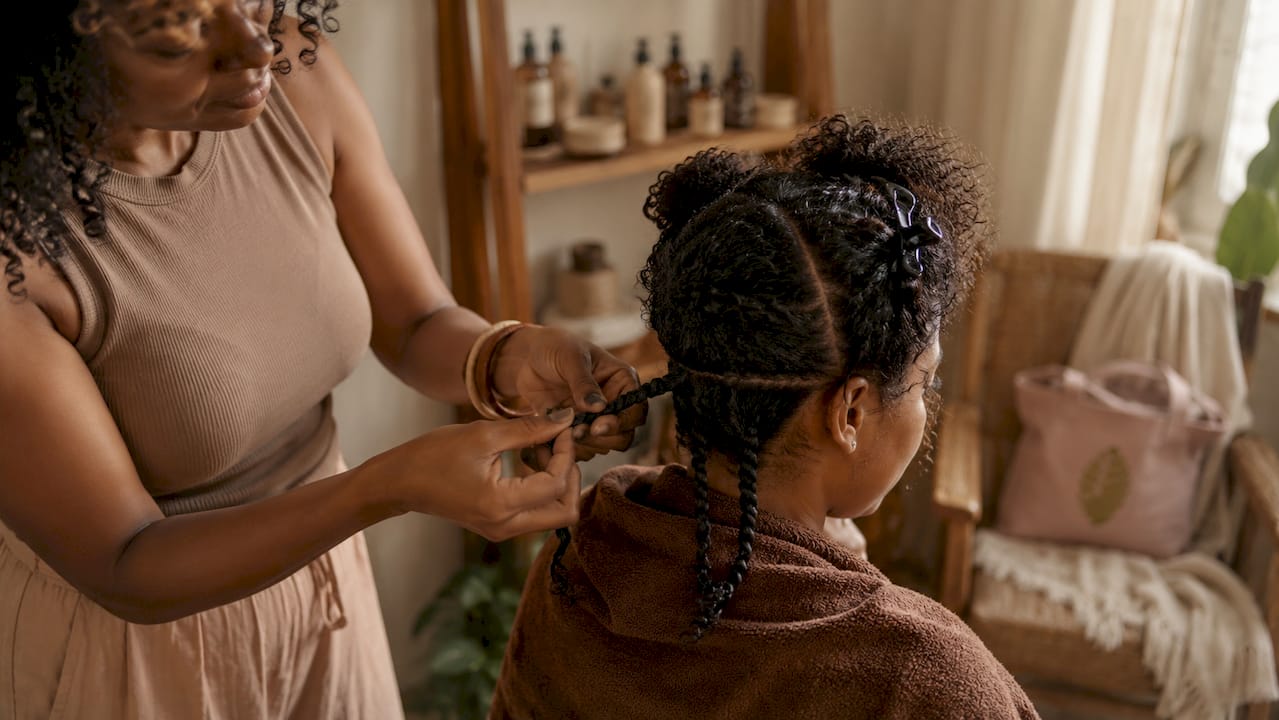
Two-strand twists are the most beginner-friendly protective style available. They require no extensions, create less tension than braids, and give you a bonus style when you take them down. A twist-out after removal gives you defined, stretched curls with zero heat. They work well on type 3C to 4C hair and can last 1–2 weeks with a satin bonnet at night.
Pro Tip: Twist on damp, stretched hair for longer-lasting definition and less frizz at the roots.
2. Box braids
Box braids are one of the most popular protective hairstyles for natural hair, and for good reason. They protect ends for weeks at a time and require minimal daily styling. The key is section size. Medium or larger sections reduce tension and weight on the scalp, while small sections add stress that can lead to breakage over time. Ask your stylist for medium-sized parts and avoid extra-long extensions that pull the root.
3. Knotless braids
Knotless braids start with your natural hair and feed in extension hair gradually. This technique distributes weight more evenly than traditional box braids, which start with a knot at the root. The result is less tension at the scalp from day one. Knotless braids are a strong choice for anyone with a sensitive scalp or a history of hairline thinning.
4. Cornrows and feed-in cornrows
Traditional cornrows braid the hair flat against the scalp in rows. Feed-in cornrows reduce bulk at the roots by adding extension hair gradually, which lowers tension compared to traditional cornrows. Both styles protect the length of your hair well, but feed-in cornrows are gentler on the scalp. Keep rows loose enough that you feel no pulling at the hairline or nape.
5. Buns and updos
Buns and updos are the easiest protective styles for curls, especially for beginners or anyone who wants a short-term option. These styles tuck ends away with minimal tension and require no extensions or professional installation. A pineapple bun, a high puff, or a low twisted bun all qualify. They work on type 2C through 4C hair and can be done in minutes. The trade-off is that they offer less protection than braids or twists over long periods.
6. Bantu knots
Bantu knots are small, coiled knots formed by twisting sections of hair and wrapping them around themselves. They protect the ends, reduce manipulation, and double as a set for defined curls when taken down. Bantu knots work best on type 3B to 4C hair and are a strong option for anyone who wants a trendy, protective look without extensions.
7. Locs
Locs function as a long-term protective style by minimizing daily styling and detangling. Once established, locs reduce the manipulation that causes breakage on fragile curl types. They require proper installation and consistent maintenance, including regular cleansing and retwisting at the roots. Locs are a commitment, but for type 4A to 4C hair, they are one of the most effective options for retaining length over years.
How to maintain scalp and hair health while wearing protective styles
Protective styles are not a “set it and forget it” solution. Scalp care must continue throughout the entire time your hair is styled. Skipping cleansing and moisturizing leads to buildup, dryness, and scalp irritation that can undo all the benefits of the style.
Cleanse regularly
Use a diluted shampoo or a scalp-focused cleanser to wash your scalp every 1–2 weeks while in a protective style. A dry, itchy scalp is a sign that buildup is forming. Cocomera carries shampoos for dry and itchy scalps that work well for this purpose without stripping moisture from your strands.
Moisturize your hair and scalp
Curly and coily hair loses moisture quickly, even when braided or twisted. Apply a lightweight leave-in conditioner or hair oil to your scalp and the length of your hair every few days. Focus on the parts and the edges, where dryness shows up first. The best moisturizers for curly hair absorb without leaving residue that clogs the scalp.
Take rest periods between styles
Experts recommend a 1–2 week rest period between long-term protective styles. That break gives your scalp time to breathe, allows you to deep condition, and lets you check your hair for any signs of damage. Skipping rest periods is one of the most common reasons protective styling causes more harm than good.
Pro Tip: Use your rest week to do a hair mask treatment to restore moisture and protein before your next install.
Watch for warning signs
Tension at the hairline and nape is the primary cause of traction alopecia, a form of permanent hair loss from repeated pulling. If your style causes pain, itching, or visible bumps at the roots, loosen or remove it immediately. No style is worth permanent damage.
What are common mistakes to avoid with protective styles for curls?
Many people assume that any neat, tidy style counts as protective. That assumption causes real damage. True protection depends on tension management, weight distribution, and consistent scalp care.
-
Choosing too-small braid sections. Small sections add excessive tension to the root and increase the risk of breakage and alopecia. Always request medium or larger sections.
-
Installing styles too tightly. A style that hurts on day one will cause damage by week two. Tightness does not mean longevity. It means stress on your follicles.
-
Ignoring scalp care. Buildup from skipped washes blocks follicles and causes inflammation. Your scalp needs cleansing even when your hair is braided.
-
Wearing styles too long without a break. Wearing a style for more than 6–8 weeks without removal leads to matting, buildup, and stress on the hair shaft. Follow the 4–8 week guideline for long-term styles.
-
Using heavy extensions on fine or low-density hair. Heavy extensions pull the root constantly. If your hair is fine or low-density, choose lighter synthetic options or skip extensions entirely.
-
Confusing protective styling with natural styling. Protective styling refers to function, not hair texture or chemical treatment. A style is only protective if it reduces manipulation and keeps ends tucked. A loose wash-and-go does not qualify.
How to choose the best protective style for your curl pattern
The right protective style depends on your curl type, hair density, length, and how much time you have for maintenance.
| Style | Tension level | Maintenance effort | Best for curl types |
|---|---|---|---|
| Two-strand twists | Low | Low | 3C to 4C |
| Box braids | Medium | Low to medium | 3B to 4C |
| Knotless braids | Low to medium | Low | 3C to 4C |
| Feed-in cornrows | Low | Medium | 3A to 4C |
| Buns and updos | Very low | Very low | 2C to 4C |
| Bantu knots | Low | Low | 3B to 4C |
| Locs | Low (once set) | Medium | 4A to 4C |
Type 3C hair tends to have enough definition to hold twists and Bantu knots well without extensions. Type 4B and 4C hair benefits most from braided styles that stretch the hair and reduce shrinkage-related tangling. If you are new to protective styling, start with a bun or a twist. Both are low-cost, low-tension, and easy to remove if something feels wrong.
Lifestyle matters too. If you work out daily, a style that holds up to sweat and frequent scalp rinsing is better than one that requires staying dry. Cornrows and knotless braids handle active lifestyles well. For more guidance on building a full routine around your curl type, the curly hair care tips at Cocomera are a practical starting point.
Key takeaways
Protective styles work best when they combine low tension, consistent scalp care, and regular rest periods between installs.
| Point | Details |
|---|---|
| Ends must be tucked away | Protecting fragile ends from friction is the core function of any protective style. |
| Tension is the biggest risk | Styles that cause pain or bumps at the root must be loosened or removed immediately to prevent permanent damage. |
| Scalp care cannot stop | Cleanse and moisturize your scalp every 1–2 weeks throughout the entire wear period. |
| Rest between styles | Take a 1–2 week break between long-term styles to allow your scalp and hair to recover. |
| Match style to curl type | Choose your style based on hair density, length, and curl pattern for the best results. |
What Cocomera has learned about protective styling
The most overlooked part of protective styling is what happens between installs. Most people focus on the style itself and forget that the rest week is where real hair health is built or lost. A deep condition, a scalp massage with a nourishing oil, and a few days of loose, low-manipulation styling do more for long-term growth than any single braid job.
The other thing worth saying plainly: tight does not mean better. A style that pulls at your edges on day one will thin your hairline by month three. Cocomera has seen this pattern repeatedly with customers who come looking for solutions to hairline thinning. The fix is almost always the same. Looser installs, bigger sections, and a consistent moisture routine.
For type 4C hair especially, the temptation is to go for the longest-lasting style possible. That usually means very small sections and heavy extensions. The result is a style that lasts eight weeks but costs you density at the temples. A knotless braid with medium sections and lighter extensions lasts just as long and causes a fraction of the tension.
The styles that actually grow your hair are the ones you can maintain without skipping scalp care, the ones that do not hurt, and the ones you take down before they start to mat. Consistency over time beats any single “perfect” style.
— Cocomera
Products that support your protective styling routine
A protective style is only as good as the routine behind it. At Cocomera, the focus is on products that keep your scalp clean, your strands hydrated, and your style lasting longer without causing damage. The styling products for curly hair in the Cocomera collection include leave-in conditioners, edge controls, and curl creams suited for type 2 through type 4 hair. For deeper nourishment between installs, the hair treatments range covers protein treatments and deep conditioners that restore strength after weeks of wear. Every product is curated for textured hair, so you are not guessing whether something will work for your curl type.
FAQ
What are protective styles for curls?
Protective styles for curls are hairstyles that reduce daily manipulation and keep the hair ends tucked away to prevent breakage and retain length. Common examples include braids, twists, buns, and locs.
How long should I keep a protective style in?
Most long-term protective styles should be worn for no more than 6–8 weeks. Experts recommend a 1–2 week rest period between styles to allow the scalp to recover and prevent buildup.
Can protective styles cause hair loss?
Yes, if installed too tightly. Tension at the hairline and nape is the primary cause of traction alopecia, a form of permanent hair loss. Any style that causes pain or bumps at the root should be loosened or removed immediately.
Do I still need to wash my hair in a protective style?
Yes. Scalp cleansing and moisturizing must continue every 1–2 weeks throughout the wear period. Skipping washes leads to buildup, dryness, and scalp irritation that can damage hair health.
What is the best protective style for beginners?
Buns and updos are the best starting point. They require no extensions, create minimal tension, and can be done at home in minutes. Two-strand twists are the next step up and offer more protection with still-low tension.