TL;DR:
- Hair damage signs include split ends, dryness, and loss of elasticity, especially in textured hair. Recognizing these signs early helps prevent further structural damage, which cannot be fully repaired. Regular trims, protective styles, and moisture with protein treatments build resilience and stop damage from worsening.
Signs of hair damage are specific visual and tactile changes that indicate your hair’s protective cuticle layer and internal structure have been compromised. For textured hair, types 2, 3, and 4, these signals show up earlier and more intensely than on straight hair because the curl pattern already creates natural weak points along each strand. Recognizing the difference between a bad moisture day and actual structural damage is the first step toward stopping the cycle. This guide covers the top damage indicators, their causes, and what you can do about them.
1. What are the signs of hair damage to watch for?
Trichology, the scientific study of hair and scalp health, identifies seven primary indicators of structural compromise: split ends, dryness, rough texture, shedding short segments, excessive tangling, dullness, and loss of elasticity. Each one signals a different stage or type of damage. Textured hair shows most of these signs more visibly because the curl structure exposes the cuticle to more friction and bending stress.
2. Split ends and fraying tips
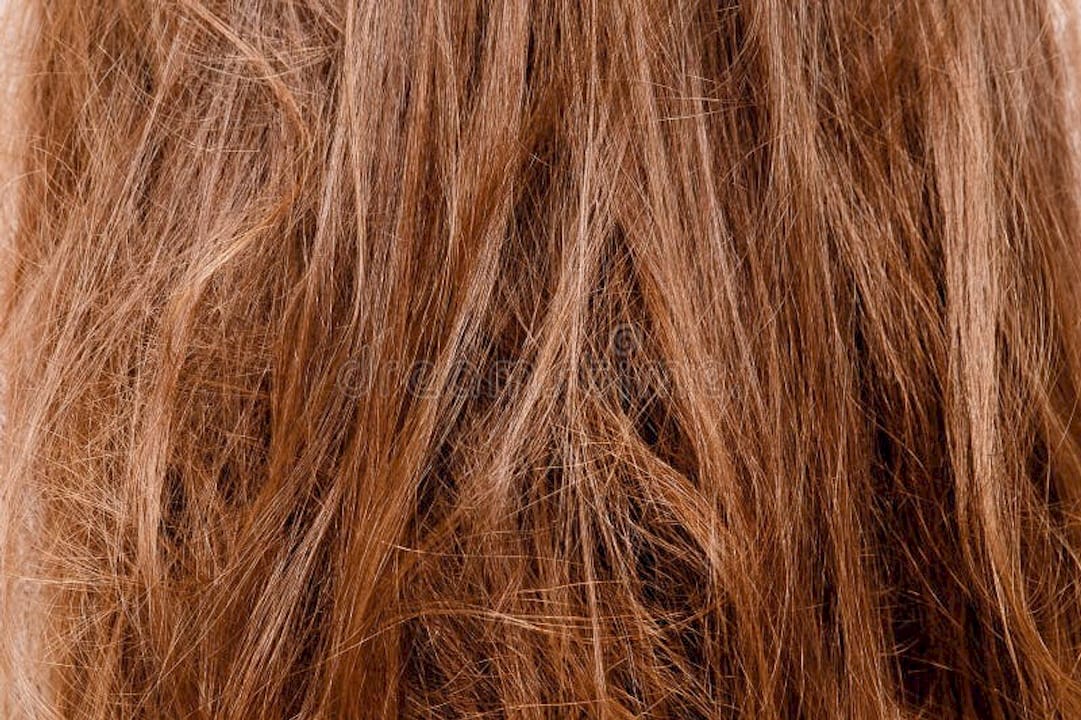
Split ends are permanent cortex damage. No product repairs them. Conditioning treatments temporarily seal the appearance of splits, but the only real fix is trimming. Left untrimmed, splits travel up the shaft and cause breakage higher on the strand. For coily and kinky hair types, splits are harder to spot because the curl hides the fraying. Run a single strand between your fingers from root to tip. Any rough snag near the end is a split.
Pro Tip: Trim every 8–10 weeks if you use heat tools regularly. For protective style wearers, check ends before and after each style.
3. Chronic dryness and poor moisture retention
Damaged cuticles lose moisture retention, which creates a dryness and brittleness cycle that worsens over time. Healthy hair holds moisture after washing for at least a day. Damaged hair feels dry within hours. This is not a product problem. It is a structural one. The raised or broken cuticle cannot seal water inside the cortex, so no amount of leave-in conditioner fully compensates. Textured hair is already prone to dryness because the curl shape slows natural oil distribution from the scalp down the strand.
4. Rough, straw-like texture
Healthy textured hair feels soft and defined when moisturized. Damaged hair feels rough, coarse, or straw-like even right after washing and conditioning. This texture change happens because the cuticle scales, which normally lie flat, are lifted or chipped. Running your fingers from tip to root on a single strand should feel smooth on healthy hair. On damaged hair, you feel resistance and roughness going against the cuticle. This is called the texture slide test, and it takes about five seconds.
5. Increased shedding of short hair segments
Normal shedding produces full-length strands with a white bulb at the root. Damage produces short, jagged segments with no bulb. Breakage near the hairline and mid-shaft is a direct sign of mechanical or chemical stress, not follicle loss. This distinction matters because the solutions are completely different. If you see short broken pieces in your comb or on your pillow, the problem is the strand itself, not your scalp.
6. Excessive tangling
Damaged hair tangles more because the raised cuticle catches on neighboring strands. Healthy textured hair tangles too, but it releases with gentle detangling. Damaged hair forms tight knots that resist even wide-tooth combs. Single-strand knots, also called fairy knots, increase significantly when the cuticle is compromised. If your detangling sessions have gotten longer and more painful over time, that change in behavior is a reliable damage indicator.
7. Dullness and loss of natural shine
A smooth, flat cuticle reflects light. A damaged cuticle scatters it. Dull hair symptoms are almost always a cuticle problem. Textured hair naturally has less shine than straight hair because the curl angle already breaks up light reflection. When damage raises the cuticle further, even that limited shine disappears. If your hair looks consistently flat and matte even after deep conditioning, the cuticle surface is too rough to reflect light properly.
8. Lack of elasticity and snapping
The strand stretch test is the most reliable home method for checking cortex integrity. Wet a single strand and gently stretch it. Healthy hair stretches about 30% and returns to its original length. Damaged hair either snaps immediately or stretches without bouncing back. Snapping indicates protein depletion. Overstretching without return indicates moisture imbalance or cortex breakdown. This test separates surface dryness from actual structural damage.
Pro Tip: Test strands from three different areas: root, mid-shaft, and ends. Damage is rarely uniform, and the results guide which treatment your hair actually needs.
9. Frizz from broken cuticles
Frizz caused by raised or broken cuticles looks different from humidity-induced frizz. Damage frizz appears as short, uneven flyaways sticking out from the main curl pattern. These are broken strands, not whole hairs reacting to moisture in the air. If your frizz is concentrated around the hairline, crown, or mid-shaft and looks jagged rather than puffy, breakage is the cause. Knowing this distinction changes how you treat it. For more on managing this specific type, Cocomera’s guide on frizz control for curly hair breaks down the difference clearly.
10. Changes in curl or wave pattern
Damage changes the curl pattern. A coil that used to spring back now hangs loose or looks stringy. A wave that was defined now looks limp or wiry. This happens because the cortex, which gives the strand its shape memory, has been weakened by heat, chemicals, or oxidative stress. Heat tools above 300°F and cumulative chemical processing cause permanent keratin damage that alters the strand’s natural shape. Pattern change is one of the most overlooked dry hair indicators because people often attribute it to product buildup.
What causes these symptoms of damaged hair?
Several factors cause structural damage, and they almost always work together rather than in isolation.
-
Heat styling above 300°F (149°C) breaks down keratin bonds permanently. Each pass of a flat iron or curling wand at high heat removes moisture and degrades the protein structure.
-
Chemical processing including bleaching, relaxing, and perms disrupts the disulfide bonds that give textured hair its strength and curl pattern.
-
UV radiation and pollution cause oxidative damage. Light-colored and bleached hair are especially vulnerable. UVB radiation attacks the cuticle surface, while UVA and visible light penetrate deeper, reducing tensile strength.
-
Mechanical stress from tight hairstyles, rough towel drying, and brushing wet hair causes breakage near the hairline and mid-shaft. Textured hair is more vulnerable to this because each curl is a potential stress point.
-
Cumulative damage is the most important concept to understand. No single event destroys hair. Damage builds from repeated exposure across multiple sources.
Damaged cuticles lose moisture retention, creating a dryness and brittleness cycle. Protective styling and surface-filling treatments help slow this cycle, but they do not reverse the underlying structural loss.
How to assess hair damage at home
You do not need a lab to identify the type and extent of damage. These tests take minutes and give clear results.
-
Strand stretch test: Wet a single strand and stretch it gently. Healthy hair stretches and returns. Damaged hair snaps or overstretches without bouncing back.
-
Porosity float test: Drop a clean, dry strand into a glass of water. High-porosity, damaged hair sinks quickly because the open cuticle absorbs water fast. Healthy hair floats longer.
-
Texture slide test: Run two fingers from tip to root along a single strand. Smooth means healthy cuticle. Rough or catching means raised or damaged cuticle.
-
Visual inspection: Check ends for splits, the hairline for short broken pieces, and the mid-shaft for discoloration or thinning.
-
Conditioning response test: Apply a deep conditioner and check how your hair feels after rinsing. Healthy hair feels soft and defined. Damaged hair still feels rough or gummy, which signals protein imbalance.
Pro Tip: Test your hair before and after a wash day, not just when it looks bad. Damage shows up most clearly on clean, product-free strands.
The key is to observe at multiple points along the strand. Roots, mid-shaft, and ends often show different damage levels, which tells you whether the cause is recent or long-standing.
Prevention and maintenance strategies
Protein and lipid-rich treatments improve hair resilience and reduce further damage. Prevention is more effective than any repair treatment.
-
Use a heat protectant every time you apply heat, and keep tools below 300°F for textured hair.
-
Trim every 8–10 weeks to remove split ends before they travel up the shaft.
-
Seal moisture after every wash using the LOC or LCO method (liquid, oil, cream) to reduce the dryness-brittleness cycle.
-
Wear protective styles to reduce daily manipulation, but avoid styles that pull tightly at the hairline.
-
Limit chemical treatments and space them out by at least 8–12 weeks to allow the cortex to stabilize.
-
Sleep on a satin or silk pillowcase to reduce friction-based mechanical damage overnight.
| Prevention method | Best for |
|---|---|
| Protein treatments | Snapping, elasticity loss, chemical damage |
| Lipid-rich deep conditioners | Dryness, brittleness, cuticle roughness |
| Protective styling | Mechanical stress, breakage, hairline damage |
| Regular trims | Split ends, fraying, damage spread |
| Heat protectants | Heat-induced keratin loss, pattern change |
Products and tools that support hair health
The right products reduce damage accumulation. The wrong ones accelerate it.
-
Strengthening shampoos with keratin and hydrolyzed proteins clean without stripping the cuticle. Avoid formulas with harsh sulfates like sodium lauryl sulfate, which remove protective lipids from the hair surface.
-
Conditioners and detanglers that contain slip agents smooth the cuticle and reduce friction during detangling. This directly lowers mechanical damage.
-
Leave-in treatments with heat protectants and repairing peptides create a barrier between the strand and environmental stressors.
-
Wide-tooth combs and gentle detangling brushes reduce the force needed to work through knots. Detangling wet textured hair with a fine-tooth comb is one of the fastest ways to cause breakage.
-
UV protectants for hair matter more than most people realize. Oxidative damage from sun exposure degrades the cortex silently over months. A leave-in or spray with UV filters adds meaningful protection, especially for bleached or color-treated hair.
-
Ingestible supplements that support keratin production, such as collagen and sea moss formulas, work from the inside. A product like the CRISAN Beauty hair supplement combines sea moss and collagen to support cuticle health and shine from within.
Pro Tip: Rotate between a protein treatment and a moisture-focused deep conditioner each wash day. Protein alone makes hair brittle. Moisture alone makes it weak. Balance is what builds resilience.
For targeted repair, Cocomera’s range of hair treatments for textured hair includes options formulated specifically for types 2, 3, and 4.
Key Takeaways
Recognizing signs of hair damage early, from split ends and elasticity loss to pattern change and chronic dryness, is the most effective way to stop structural compromise before it becomes irreversible.
| Point | Details |
|---|---|
| Split ends are permanent | Trim every 8–10 weeks; no product repairs cortex damage. |
| Stretch test reveals cortex health | Snapping or no rebound on a wet strand signals protein depletion. |
| Frizz and breakage differ | Short jagged flyaways mean breakage; puffy frizz means humidity or cuticle lift. |
| Heat above 300°F causes permanent damage | Use protectants and keep tools below this threshold every time. |
| Prevention beats repair | Protein and lipid treatments build resilience; no treatment fully reverses damage. |
What working with textured hair has taught us about damage
Most people come to us after months of noticing something is off. The curl looks different. The hair snaps when they detangle. The dryness never fully goes away no matter what they put on it. What they describe is almost always structural damage that built up quietly over time.
The hardest part of working with textured hair is that damage and dryness look almost identical on the surface. Both make hair feel rough and look dull. But dryness responds to moisture. Damage does not. That distinction changes everything about how you treat your hair, and most people spend months applying the wrong solution.
What we have seen consistently is that people with type 3 and type 4 hair often underestimate how much mechanical stress their routines create. Tight braids, rough detangling, and skipping trims add up faster than any single chemical treatment. The hair looks fine until it does not, and by then the damage is already significant.
The realistic mindset is this: you cannot undo damage that has already happened. You can stop it from getting worse, and you can build enough resilience in new growth that the healthy hair outpaces the compromised hair over time. That takes consistency, not a single miracle product. Gentle handling, regular trims, and alternating protein and moisture treatments are the actual tools. Everything else is support.
— Cocomera
Cocomera’s picks for damaged textured hair
Knowing what your hair needs is only useful if you can find the right products for it. Cocomera curates hair care specifically for wavy, curly, coily, and afro hair types, so you are not sorting through products designed for straight hair and hoping they work.

The strengthening shampoo collection includes formulas with keratin and nourishing ingredients that clean without stripping. The hair treatments range covers deep conditioners, protein treatments, and repair masks selected for types 2, 3, and 4. For daily styling and protection, the leave-in styling collection has options that protect, define, and seal moisture without buildup. Every product at Cocomera is chosen because it works for textured hair, not in spite of it.
FAQ
What are the first signs of hair damage?
The earliest signs are increased dryness, rough texture, and more tangling than usual. These indicate cuticle compromise before visible breakage or split ends appear.
How do I tell if my hair is damaged or just dry?
Apply a deep conditioner and check the result after rinsing. Dry hair responds and feels soft. Damaged hair still feels rough, gummy, or weak, which signals structural loss beyond surface dryness.
Can damaged hair be fully repaired?
No treatment fully reverses structural damage. Protein and lipid treatments improve resilience and stop further loss, but split ends and cortex damage require trimming and time for new healthy growth.
Why does textured hair show damage more quickly?
The curl pattern creates natural stress points along each strand, making textured hair more vulnerable to mechanical and chemical damage. Each bend in the curl is a point where the cuticle is thinner and more exposed.
What is the fastest home test for hair damage?
The wet strand stretch test gives results in seconds. Stretch a damp strand gently. Healthy hair stretches and returns. Damaged hair snaps or stays stretched without bouncing back.