TL;DR:
- Curl activators are specialized products designed to hydrate, define, and reduce frizz in natural curls with a focus on moisture. They work by combining water-based humectants, oils, and film-forming agents to enhance curl shape and elasticity. Using on wet hair and layering with gels or mousses improves overall curl definition and longevity.
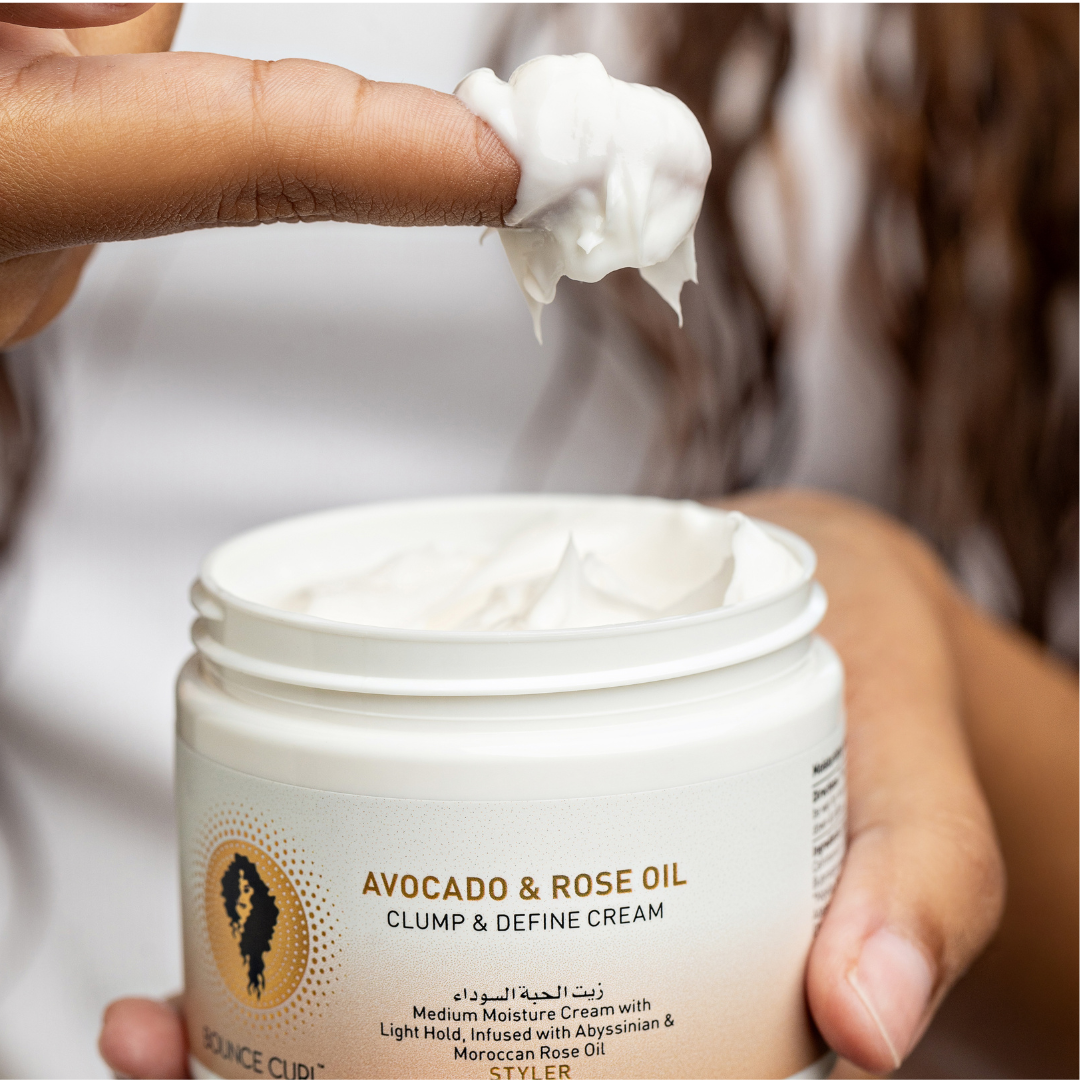
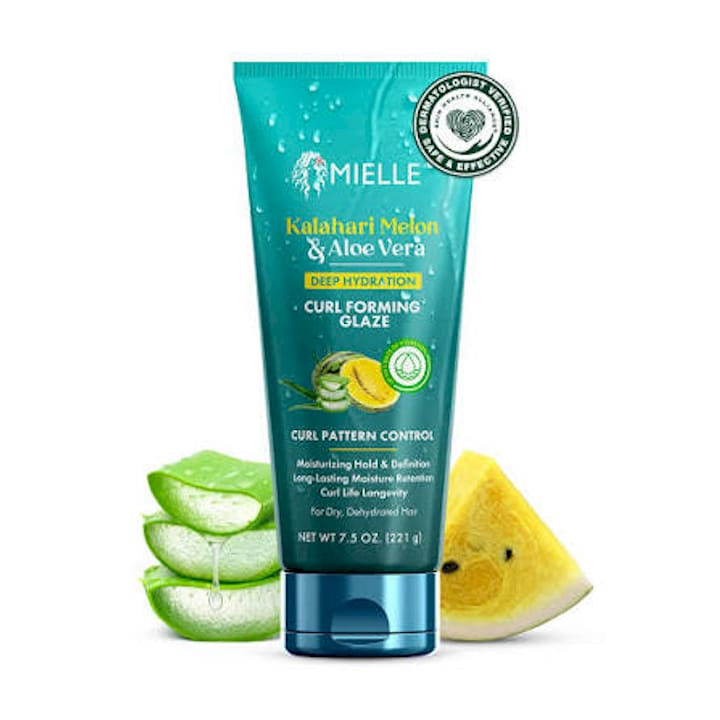
Curl activators are specialized styling products formulated to enhance and define your natural curl pattern by delivering moisture, reducing frizz, and providing a flexible hold. They work differently from gels or creams. Where a gel locks curls in place and a cream adds weight, a curl activator focuses first on hydration, then on coaxing your natural curl shape to the surface. Products like Cantu Curl Activator Cream and AG RE:COIL Curl Activator are built on this principle. Understanding what curl activators do gives you a real edge in building a routine that actually works for your hair type.
How do curl activators work to enhance natural curls?
Curl activators boost moisture and definition by combining water-based hydration, humectants, and film-forming agents in a single formula. Each ingredient plays a specific role, and the combination is what makes these products different from standard conditioners or styling creams.
The moisture problem curly hair faces
Curly and coily hair has a structural challenge that straight hair does not. Natural scalp oils struggle to travel down a spiral or coily hair shaft. The twists and bends interrupt the oil’s path, leaving mid-lengths and ends dry. Curl activators address this moisture gap by delivering hydration directly to the hair fiber, compensating for what your scalp cannot do on its own.
How the key ingredients work
-
Glycerin is a humectant that draws moisture from the air into the hair strand. It keeps curls hydrated throughout the day without making them feel sticky.
-
Aloe vera soothes the cuticle layer, reduces frizz, and adds slip that makes product distribution easier.
-
Flaxseed gel provides light hold and curl clumping without stiffness, thanks to its natural mucilage content. It is one of the most popular natural curl activation ingredients.
-
Botanical oils (such as coconut, argan, or jojoba) seal the moisture in after humectants have drawn it to the strand.
-
Film-forming agents create a thin, flexible coating around each curl. This coating holds the shape without making curls crunchy or stiff.
The result is a balanced moisture and hold matrix that keeps curls defined, bouncy, and frizz-free. Understanding hydration’s role in curl health makes it much easier to choose the right product for your specific needs.
Pro Tip: Apply your curl activator while your hair is still soaking wet, not just damp. The extra water helps the humectants work immediately and gives you more even product distribution.
What are the main benefits of using curl activators?
The benefits of curl activators go beyond simple styling. For curly and textured hair types, these products solve real, daily problems.
-
Enhanced curl definition. Activators encourage individual curls to clump together into clean, defined spirals instead of separating into frizz.
-
Improved moisture retention. The humectant and oil combination keeps hair hydrated for longer, reducing the dryness that leads to breakage.
-
Frizz control. Film-forming agents smooth the cuticle layer, blocking humidity from entering the hair shaft and disrupting the curl pattern.
-
Softness and shine. Unlike gels that can leave hair feeling hard, activators maintain a soft, touchable texture with a natural sheen.
-
Flexible hold. Curls stay defined without feeling locked in place. You can touch your hair without creating frizz.
-
Multipurpose formulas. Modern activators increasingly include vitamins and amino acids. Multifunctional styling products with these ingredients are preferred by 94% of users for healthier, defined curls. This reflects a clear shift toward products that style and treat at the same time.
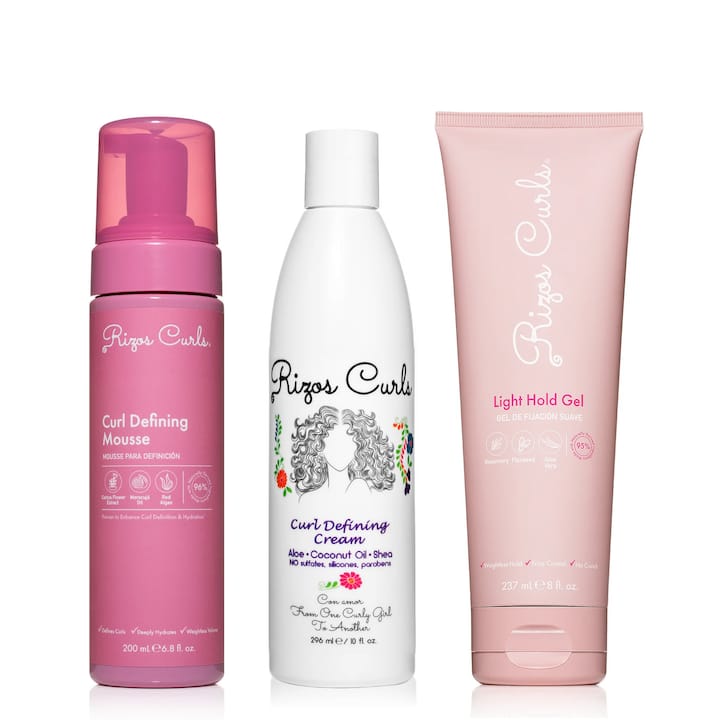
The Rizos Curls 6-in-1 Styling Cream is a strong example of this trend. It combines curl activation with conditioning, heat protection, and vitamin infusion in one step. For anyone trying to simplify their routine without sacrificing results, that kind of product is worth knowing about.
Curl activators vs. curl creams, gels, and mousses
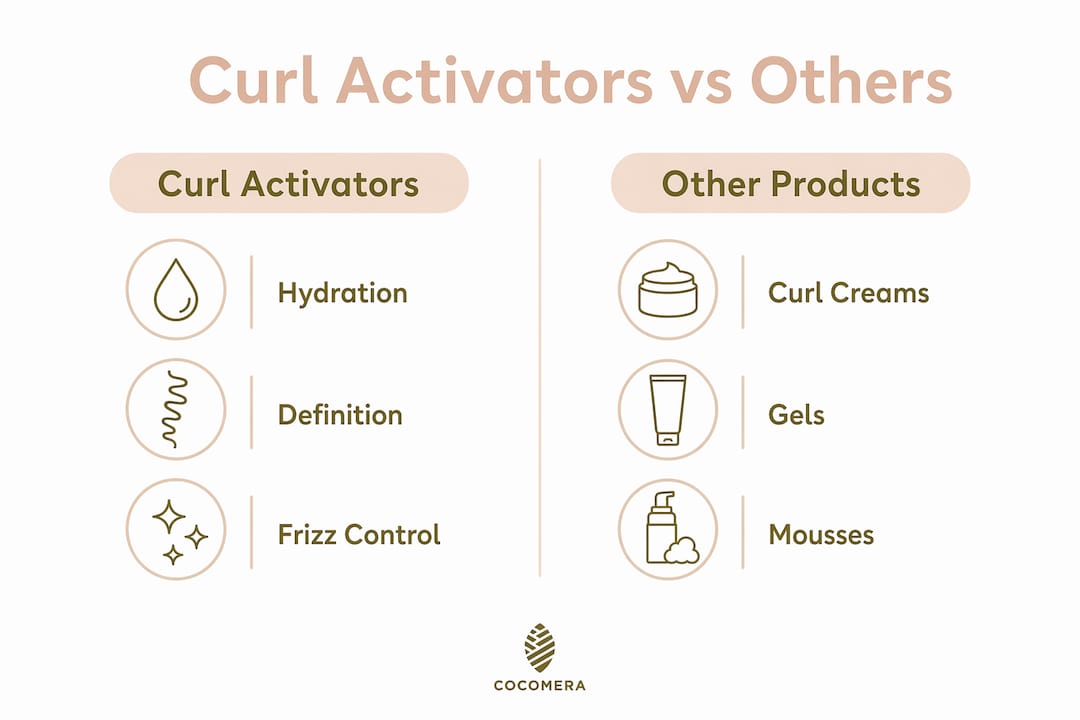
Choosing the right product is easier when you understand what each one actually does. These four product types overlap in some ways but serve different primary purposes.
| Product Type | Primary Function | Hold Level | Hydration Level | Best For |
|---|---|---|---|---|
| Curl Activator | Enhance natural curl pattern | Light | High | All curl types, especially dry hair |
| Curl Cream | Moisturize and soften | Light to medium | High | Type 3 and 4 hair needing softness |
| Styling Gel | Define and hold | Medium to strong | Low to medium | Wash-and-go styles, frizz control |
| Mousse | Add volume and lift | Light to medium | Medium | Fine curls needing body |
Curl activators and curl creams look similar on paper, but the emphasis is different. A curl cream prioritizes softness and coating the strand. A curl activator prioritizes triggering and enhancing the curl pattern itself. The distinction matters most for hair that is curly but not responding to standard creams.
Gels offer stronger hold but less hydration. They work well as a second step layered over an activator. Layering activators with gels or mousses is a widely recommended strategy for maintaining both hydration and long-lasting hold. The activator handles moisture and curl formation, and the gel or mousse seals everything in place.
Pro Tip: Try the LOC method (Liquid, Oil, Cream) with your curl activator as the liquid step. Follow with a light oil and finish with a gel for hold. This sequence works especially well for type 4 hair that loses moisture quickly.
How to select and use curl activators for your hair type
Choosing the right curl activator depends on three factors: your hair’s density, its porosity, and your curl pattern. Getting these right makes the difference between curls that pop and curls that fall flat.
-
Identify your curl pattern. Type 2 (wavy) hair needs lighter formulas that add definition without weight. Type 3 (curly) hair benefits from medium-weight activators with strong humectant content. Type 4 (coily) hair needs the richest formulas with the highest moisture content.
-
Consider your hair’s porosity. High-porosity hair absorbs product fast but loses moisture just as quickly. Choose activators with sealing oils like castor or shea. Low-porosity hair resists moisture, so look for water-based, lightweight formulas that penetrate more easily.
-
Check the formula weight. AG RE:COIL Curl Activator suits most hair types, but finer textures may find it too heavy. For fine curls, a lighter definer preserves bounce. For dense or coily hair, a richer formula like Cantu Curl Activator Cream delivers the moisture level those strands need.
-
Apply on wet or damp hair. Applying activators on damp hair distributes the product evenly and locks in moisture for well-defined curls. Dry application leads to uneven coverage and reduced effectiveness.
-
Use scrunching to distribute product. Work the activator from ends to roots using an upward scrunching motion. This encourages curl clumping and prevents disrupting the natural curl pattern. Plopping with a microfiber towel or cotton T-shirt after application helps set the shape. The hair plopping method is one of the most effective techniques for locking in curl definition after product application.
-
Layer strategically. Apply your activator first, then add a light gel or mousse on top if you need more hold. Avoid applying too many heavy products in one session, as buildup will weigh curls down and reduce definition over time. Regular clarifying your hair removes that buildup and keeps your routine working at full strength.
-
Avoid over-moisturizing. Too much product causes hygral fatigue in high-porosity hair, where repeated swelling and drying weakens the strand. Use the amount your hair absorbs without feeling greasy.
Key takeaways
Curl activators are the most effective first step for defining natural curls because they address the root cause of frizz and poor definition: moisture deficiency in the hair shaft.
| Point | Details |
|---|---|
| Core function | Curl activators hydrate, define, and reduce frizz through humectants and film-forming agents. |
| Best application method | Apply on wet or damp hair using a scrunching motion for even distribution and better curl clumping. |
| Layering for hold | Pair your activator with a light gel or mousse to maintain both moisture and long-lasting definition. |
| Hair type matching | Fine hair needs lighter formulas; dense or coily hair needs richer, higher-moisture activators. |
| Ingredient trends | Multifunctional formulas with vitamins and amino acids now combine styling with active hair care. |
What we’ve learned from helping curls thrive in every climate
At Cocomera, we have spent years curating products for wavy, curly, coily, and afro hair types across very different climates. One thing stands out: the same curl activator performs completely differently depending on where you live and what season it is.
In humid climates, glycerin-heavy activators work brilliantly because there is moisture in the air for the humectants to pull in. In dry or cold climates, that same formula can actually pull moisture out of the hair shaft if the air is too dry. This is the part most product descriptions skip entirely. If your activator works great in summer but leaves your curls dry and frizzy in winter, the formula is not wrong. The environment changed.
The solution is not to abandon your activator. It is to layer smarter. In drier conditions, seal with a heavier oil or butter after your activator to trap the moisture before it escapes. In humid conditions, a light gel on top is enough.
We also see a lot of people using curl activators on fully dry hair, especially for refresh days. The results are almost always disappointing. Activators need water to activate. Spritz your hair with water first, then apply. That one change transforms a mediocre refresh into a genuinely good curl day.
The trend toward multifunctional formulas is real and worth paying attention to. Products like Rizos Curls that combine curl activation with conditioning and vitamin treatment are not just marketing. They reduce the number of steps in your routine, which means less manipulation and less frizz overall. For type 4 hair especially, fewer steps mean healthier curls over time.
— Cocomera
Find the right curl activator for your hair at Cocomera
Knowing what curl activators do is only half the work. Finding the right one for your specific curl type is where most people get stuck.
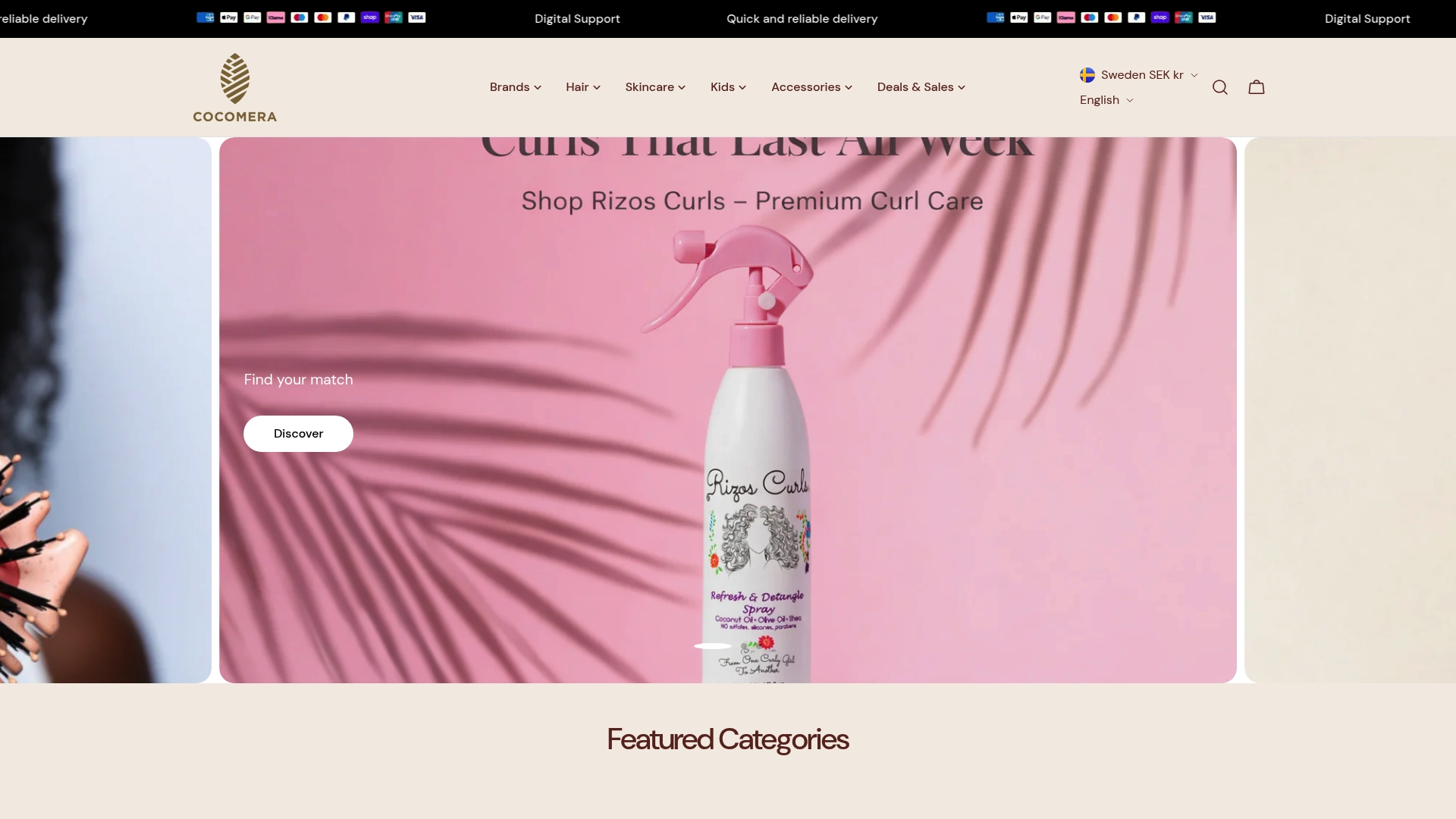
Cocomera carries a curated selection of curl activators and definers chosen specifically for wavy, curly, coily, and afro hair types 2, 3, and 4. Every product in the collection is selected with texture and porosity in mind, so you are not sorting through products made for straight hair. The full curly hair styling collection includes curl creams, leave-in conditioners, and complementary styling products that work alongside your activator for a complete routine. If you want to stop guessing and start seeing real curl definition, that is the place to start.
FAQ
What are curl activators used for?
Curl activators are used to enhance and define natural curl patterns by delivering moisture, reducing frizz, and providing a light, flexible hold. They are designed for wavy, curly, coily, and afro hair types.
Can curl activators damage hair?
Curl activators do not damage hair when used correctly. Overuse or applying too much product can cause buildup and hygral fatigue in high-porosity hair, so regular clarifying and measured application prevent any negative effects.
How do you use curl activators for best results?
Apply curl activators to wet or damp hair using a scrunching motion from ends to roots. Follow with a light gel or mousse if you need extra hold, then allow hair to air dry or use a diffuser.
Are curl activators good for natural hair?
Curl activators are well-suited for natural hair because they address the core challenge of moisture distribution along coily and curly hair shafts. Richer formulas like Cantu Curl Activator Cream work especially well for type 4 natural hair.
What is the difference between a curl activator and a curl cream?
A curl activator focuses on triggering and enhancing the natural curl pattern through hydration and film-forming agents. A curl cream primarily softens and coats the strand. Activators tend to have a higher hydration focus and lighter texture than most curl creams.