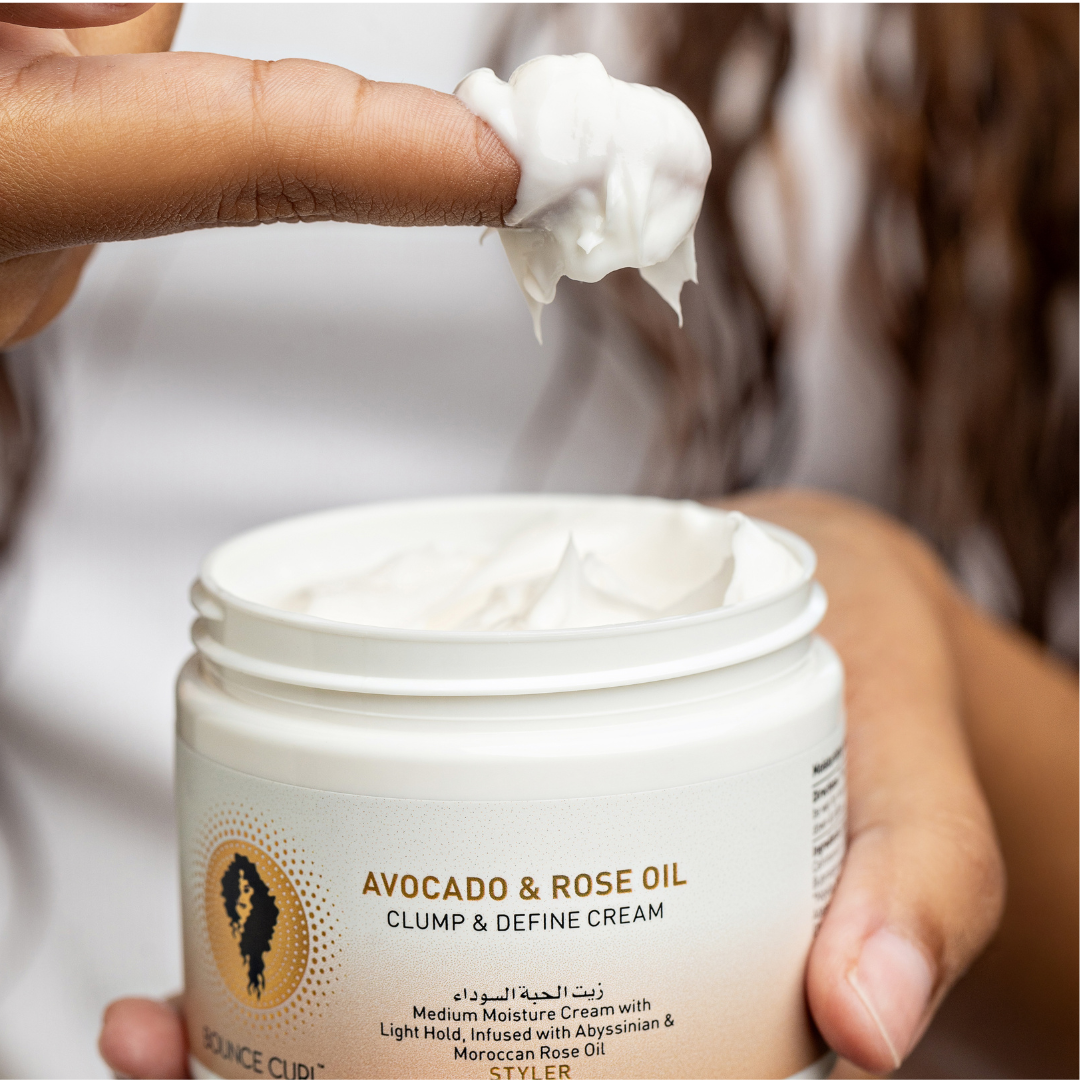
Finding the right hair moisturizer when you have curly, coily, or afro hair can feel like searching for a needle in a haystack. Most products on European shelves are formulated for straight hair, leaving textured hair types underserved and often over-dried. The truth is, moisture retention is vital for textured curls because the natural spiral shape of each strand makes it harder for scalp oils to travel down the hair shaft. This guide breaks down what to look for, which types of moisturizers exist, and how to match the right one to your specific curl pattern.
Table of Contents
- What makes a good hair moisturizer for curls?
- Types of hair moisturizers for curly, coily, and afro hair
- Comparison table: Finding your perfect match
- Situational recommendations: Choosing based on your hair needs
- Find the right moisturizer for your unique curl pattern
- Frequently asked questions
Key Takeaways
| Point | Details |
|---|---|
| Moisturizer selection matters | Choosing the right product type can dramatically improve curl hydration and health. |
| Consider your curl pattern | Tailor your moisturizer choice to your specific curl shape, density, and porosity for optimal results. |
| Layer for maximum hydration | Combining creams, oils, and leave-ins helps lock in moisture, especially in dry or hard water environments. |
| Routines should be flexible | Adjust how often you moisturize based on the season, lifestyle, and your hair’s needs. |
What makes a good hair moisturizer for curls?
Not every moisturizer is created equal, and for curly or coily hair, the ingredient list matters more than the packaging. The best formulas combine three key elements: humectants that draw water into the hair shaft, emollients that smooth the cuticle, and oils or butters that seal everything in. Without all three working together, moisture escapes quickly, especially in dry indoor climates common across Northern and Central Europe.
Hard water is a real issue in many European cities. The high mineral content in tap water can block moisture from penetrating the hair shaft, leaving curls feeling rough and brittle even after washing. If you live in a hard water area, your moisturizer needs to work harder, and your product choices need to be smarter.
Here are the key signs your curls are losing moisture:
- Hair feels rough or straw-like to the touch
- Shrinkage is more extreme than usual
- Frizz appears even in low-humidity conditions
- Curls lose definition quickly after styling
- Ends feel dry or split even after conditioning
Pro Tip: Look for leave-in formulas that list glycerin or aloe vera in the first five ingredients, followed by shea butter or mango butter. This combination delivers both immediate hydration and long-term moisture sealing.
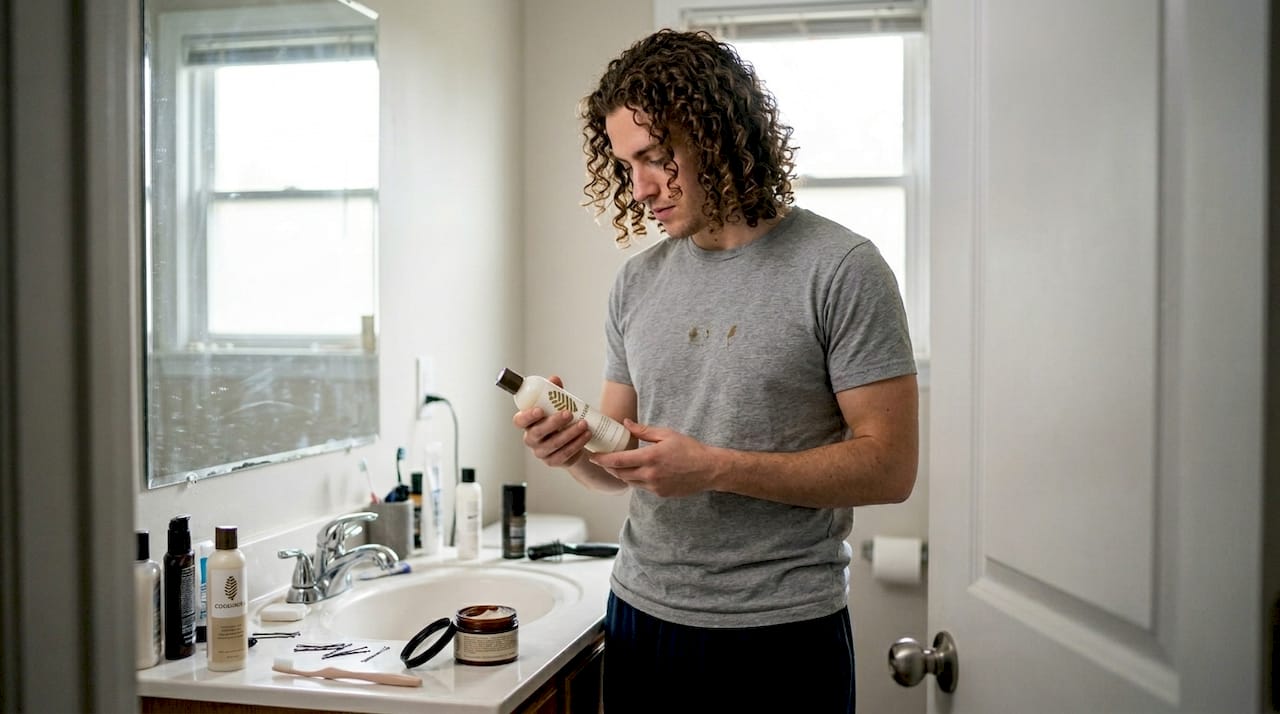
Types of hair moisturizers for curly, coily, and afro hair
With the right criteria in mind, it helps to understand the main families of moisturizers available for textured hair. Each type serves a different purpose, and knowing when to use each one is the real key to healthy, hydrated curls.
- Leave-in conditioners: These are the workhorses of any curly hair routine. Leave-in conditioners are popular for curly and afro hair because they deliver lasting moisture without rinsing. Apply after washing on damp hair and style as usual.
- Rinse-out conditioners: A quick moisture boost used after shampooing. Rinse-out conditioners are ideal for weekly wash days and help detangle while softening the hair shaft.
- Curl creams: These do double duty by moisturizing and defining your curl pattern at the same time. Curl creams are especially effective for type 3 and type 4 hair that needs both hold and hydration.
- Hair oils and butters: These do not add moisture on their own but are essential for sealing it in. Hair oils like jojoba, argan, and castor oil lock in the hydration from your leave-in or cream.
- Spray moisturizers: Lightweight and fast, these are perfect for refreshing curls between wash days without buildup.
Choosing between these types depends heavily on your hair’s porosity. Low porosity hair (where the cuticle is tightly closed) needs lighter, water-based products that can actually penetrate the shaft. High porosity hair (where the cuticle is raised or damaged) needs richer, heavier products to fill in the gaps and prevent moisture from escaping.
“Your hair porosity is the single most important factor when choosing a moisturizer. Get that right, and everything else falls into place.” This is why understanding your curl pattern and porosity together gives you a real advantage when shopping for products.
Pro Tip: If you live in a hard water region, try layering a lightweight leave-in conditioner under a curl cream before sealing with a small amount of oil. This method, often called the LOC method (Liquid, Oil, Cream), dramatically improves moisture retention. You can find more curly hair care tips to build a full routine around this approach. For a deeper look at how these two conditioner types differ, check out this difference between leave-in and rinse-out breakdown.
Comparison table: Finding your perfect match
Once you understand the individual types, comparing them side by side makes it much easier to choose. Use this table as a starting point, then adjust based on your hair density and porosity.
| Moisturizer type | Pros | Cons | Best for | Frequency | Price range |
|---|---|---|---|---|---|
| Leave-in conditioner | Long-lasting hydration, easy to use | Can cause buildup if overused | Type 3b, 4a, 4b | Daily or every other day | €10–€30 |
| Rinse-out conditioner | Detangles, softens quickly | Does not last as long | All curl types | Every wash day | €8–€25 |
| Curl cream | Defines and moisturizes | Can feel heavy on fine hair | Type 3a, 3b, 4a | Every wash day or styling day | €12–€35 |
| Hair oil or butter | Seals moisture, adds shine | Does not hydrate on its own | Type 4a, 4b, 4c | 2–3 times per week | €10–€40 |
| Spray moisturizer | Lightweight, fast refresh | Less effective for very dry hair | Type 2, 3a | Between wash days | €8–€20 |
Hair creams offer both definition and moisture for kinky curls, making them one of the most versatile options in the table above. If you have multi-textured hair, you may find that different sections of your hair need different products from this list. Pairing a moisturizer with a targeted treatment for curly hair can also accelerate results, especially if your hair is damaged or color-treated. For those exploring natural leave-in options, there are some excellent choices worth considering.
Situational recommendations: Choosing based on your hair needs
With comparison data in hand, the next step is personalizing your choice. Your curl pattern is just the starting point. Density, porosity, lifestyle, and even where you live in Europe all shape which moisturizer will actually work for you.
Routines for wavy, curly, and coily hair can be customized for maximum moisture retention, and the approach differs significantly across hair types:
- Wavy hair (type 2): Go light. Heavy creams and butters will flatten your waves. Stick to spray moisturizers and lightweight leave-ins. A moisturizing shampoo for curls that does not strip natural oils is your best foundation.
- Curly hair (type 3): Balance is key. Use a leave-in conditioner as your base, then layer a curl cream on top for definition. Avoid heavy oils on the scalp.
- Coily and afro hair (type 4): Rich, thick products are your friends. Butters, heavy creams, and sealing oils are essential. A detangling conditioner for curls on wash day will save you time and reduce breakage significantly.
For parents managing their children’s curly hair, the approach needs to be even gentler. Look for moisturizers for kids’ curly hair that are free from harsh sulfates and synthetic fragrances. Kids’ hair is more delicate, and the wrong product can cause scalp irritation or dryness.
Here are a few situational tips to keep in mind:
- Hard water areas: Use a clarifying shampoo once a month to remove mineral buildup before moisturizing
- Busy lifestyles: Spray moisturizers and leave-ins are your best friends for quick, effective refresh
- Seasonal changes: Switch to heavier butters and oils in winter when indoor heating dries out the air
- Low porosity hair: Apply products to warm, damp hair to help open the cuticle slightly for better absorption
- High porosity hair: Seal every moisture session with an oil or butter to prevent rapid moisture loss
Pro Tip: Patch test any new moisturizer on a small section of hair before committing to a full application. Also, consider alternating between a lighter and heavier moisturizer seasonally to match your hair’s changing needs throughout the year.
Find the right moisturizer for your unique curl pattern
Knowing what your curls need is half the battle. The other half is finding products that actually deliver. At Cocomera, every product in our collection is carefully selected for wavy, curly, coily, and afro hair types, so you are never guessing whether something will work for your texture.
Whether you are building a routine from scratch or refining what you already have, our curated collections make it easy to find exactly what your curls need. Explore leave-in styling products for daily hydration, browse masks for curly hair for a deep moisture reset, or check out our full range of curly hair treatments for targeted care. Your curl pattern deserves products that were chosen with it in mind.
Frequently asked questions
Which type of hair moisturizer is best for very dry curly hair?
Leave-in conditioners and rich oils are ideal for very dry curly hair since they provide long-lasting hydration and help protect the hair shaft from further moisture loss.
How often should you moisturize coily or afro hair?
Coily and afro hair should be moisturized 2 to 3 times per week or whenever it feels dry to the touch, since routines can be customized based on your specific hair needs and environment.
Are spray moisturizers effective for wavy or fine hair?
Yes, spray moisturizers are a great fit for wavy or fine hair because they hydrate without adding weight, keeping waves bouncy and defined. Different moisturizer types suit different curl patterns, and sprays are specifically designed for lighter textures.
Can you combine multiple types of moisturizers in your hair routine?
Absolutely. Layering products, like a leave-in conditioner followed by a curl cream and then a sealing oil, boosts hydration and reduces frizz. Layering products is especially effective in hard water regions across Europe.
How do I choose the right moisturizer for my child’s curly hair?
Look for gentle formulas specifically designed for children, such as hair oils and butters for kids with curly hair, which maintain softness and moisture without harsh ingredients.
Recommended
- Why hair needs moisture: essential guide for textured curls – Cocomera
- Cowash Shampoo for Curly & Afro Hair - Cocomera
- Afro hair styling steps for 3 and 4 curls in 2026 – Cocomera
- Moisturizing Shampoo for Curly Hair – Cocomera
- How to Maintain Virgin Hair Bundles Naturally for Shine – Gaurash Beauty Supply