TL;DR:
- Low porosity hair has tightly sealed cuticles that resist moisture and product absorption. Using lightweight products, applying them to soaking wet hair, and employing heat during deep conditioning improve hydration retention. The LCO method and regular clarifying help maintain healthy, well-moisturized low porosity strands.
Low porosity hair is defined by tightly sealed cuticles that resist moisture penetration, making standard curl care routines largely ineffective. The cuticle layers lie flat and compact, so water, conditioners, and oils tend to sit on the surface rather than absorb into the strand. The best tips for low porosity hair focus on three things: choosing lightweight products, applying them in the right order, and using heat to open the cuticle during conditioning. Get those three right, and everything else falls into place.
1. Why lightweight oils are non-negotiable for low porosity hair
Product selection is the single biggest lever you have with low porosity hair. Lightweight oils penetrate cuticles 65% more efficiently than heavy oils due to their smaller molecular size. That gap is too large to ignore.
Oils like argan, jojoba, and grapeseed slip past the tight cuticle layer where heavier options cannot. Castor oil, shea butter, and coconut oil have molecules too large to penetrate low porosity strands. They sit on the surface, create buildup, and make hair feel dry and stiff even after conditioning. For a deeper breakdown of which oils work best by porosity type, Cocomera’s guide on oils for curly hair is worth reading.
- Argan oil: Rich in oleic and linoleic acids, absorbs quickly without residue
- Jojoba oil: Mimics the scalp’s natural sebum, making it one of the lightest options available
- Grapeseed oil: Thin consistency, high in linoleic acid, ideal for fine to medium strands
- Avoid: Castor oil, shea butter, mango butter, and coconut oil as primary moisturizers
Pro Tip: Apply a lightweight oil to dry hair 30 minutes before washing. This pre-poo treatment softens the cuticle and improves moisture absorption during the wash that follows.
2. Choose water-based products with humectants
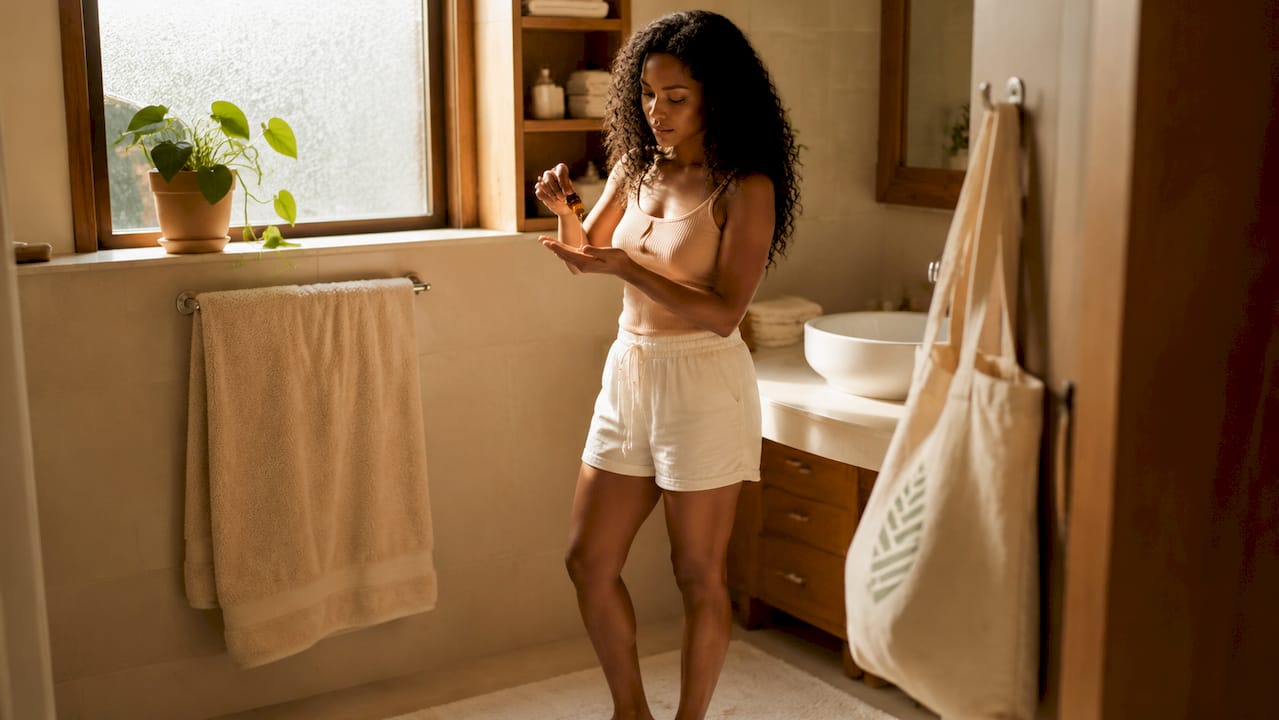
Water is the only true moisturizer for hair. Every product in your low porosity hair routine should list water as the first ingredient. Humectants like glycerin and aloe vera draw moisture from the air into the strand, which is exactly what tightly sealed cuticles need.
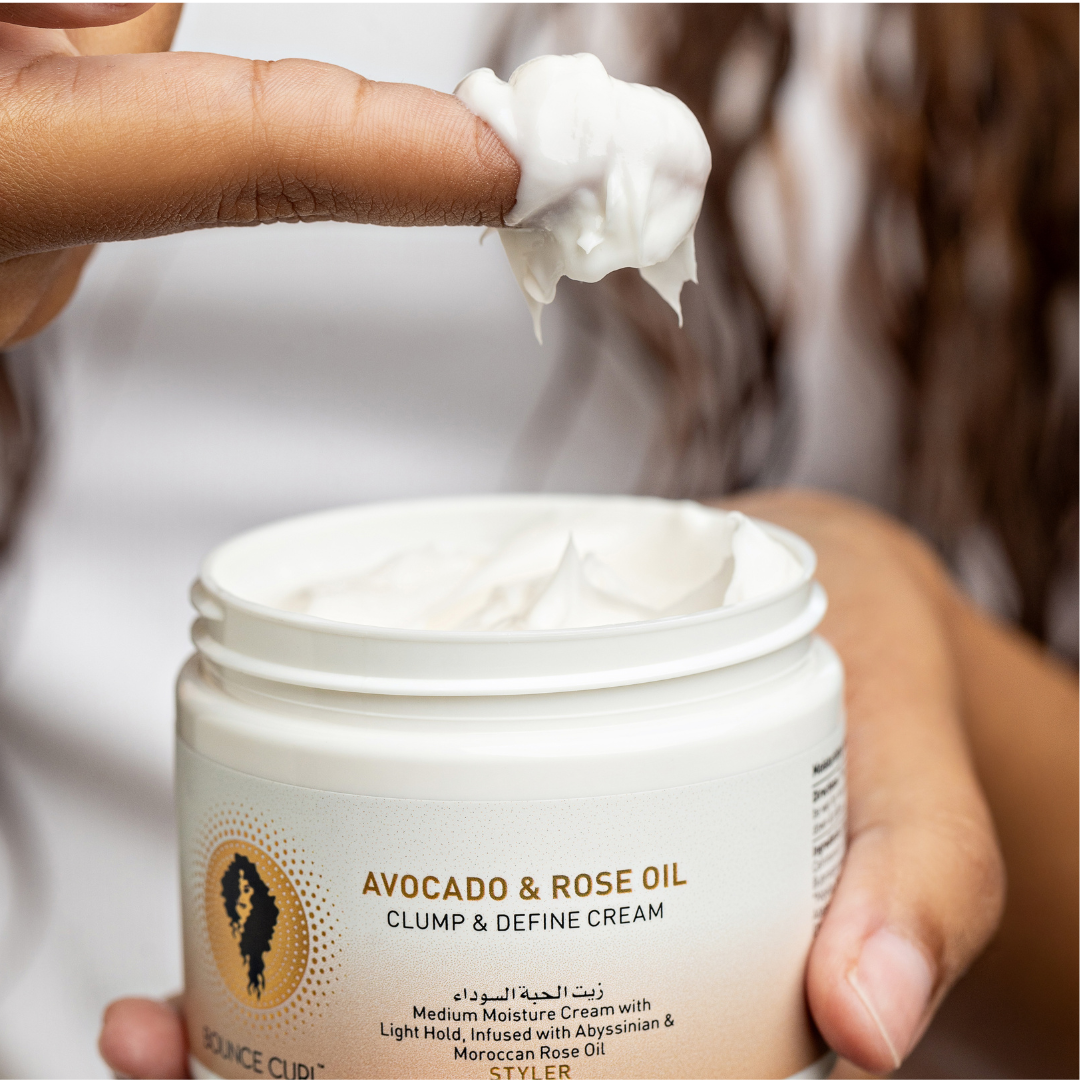
Heavy butters and dense creams have molecules too large to penetrate low porosity hair. They coat the strand and block future moisture from getting in. Switching to water-based leave-in conditioners and light creams removes that barrier. Look for products that list aloe vera juice, glycerin, or panthenol near the top of the ingredient list.
3. Apply products to soaking wet hair
Timing matters as much as product choice. Applying leave-in conditioners and stylers to soaking wet hair maximizes moisture retention because the cuticle is more receptive when warm and saturated. Damp hair is not wet enough. You want water dripping.
The water already in the strand acts as a carrier, pulling product deeper into the cuticle. When you apply to dry or barely damp hair, the product sits on top and evaporates without absorbing. This is one of the most common low porosity hair mistakes people make without realizing it.
Pro Tip: After rinsing your conditioner, do not towel dry. Apply your leave-in immediately while standing in the shower or over the sink. The extra water in the strand makes a measurable difference in how much product actually absorbs.
4. Use the LCO method, not LOC
Product layering order changes everything for low porosity hair. The LCO method (Liquid, Cream, Oil) outperforms the LOC method (Liquid, Oil, Cream) for this hair type. The reason is simple: applying oil before cream creates a barrier that blocks the cream’s humectants from reaching the strand.
With LCO, you apply a water-based liquid first, then a light cream to lock in that moisture, then a small amount of oil to seal the cuticle. The oil goes last because its job is to seal, not to hydrate. Many people with low porosity hair switch to LCO and immediately notice their hair feels softer and stays moisturized longer.
Stylist Verna Meachum reinforces this point, noting that low porosity hair requires tailored care rather than heavy moisturizing. The order of application is part of that tailored approach.
5. Section your hair during product application
Even product distribution is harder than it sounds with low porosity hair. Working in four to six sections ensures every strand gets coated, not just the outer layer. When you apply products to unsectioned hair, the inner strands often get skipped entirely.
Clip each section out of the way after applying product, then move to the next. This method also prevents you from using too much product in one area, which contributes to buildup. For practical techniques on wet styling for curly hair, sectioning is consistently the step that separates good results from great ones.
6. Use heat during every deep conditioning session
Heat is not optional for low porosity hair. Without heat, deep conditioners sit on top of the strand because the sealed cuticle blocks penetration. The conditioner rinses away without delivering meaningful hydration.
Using a steamer, hooded dryer, or warm towel for 15–20 minutes during deep conditioning opens the cuticle enough for the product to absorb. That time window is where the real conditioning happens. A hair steamer is the most effective option because it delivers consistent, moist heat directly to the strand. A hooded dryer works well too. If you have neither, wrap your hair in a warm, damp towel and cover with a plastic cap.
- Hair steamer: Best option for consistent moist heat
- Hooded dryer: Reliable and widely available
- Warm towel method: Wet a towel with hot water, wring it out, wrap hair, and cover with a plastic cap
- Avoid: Sitting under a dryer without a plastic cap, which dries the conditioner before it can absorb
Pro Tip: Warm your conditioner between your palms before applying it. Slightly warm product spreads more easily and begins working before you even add external heat.
7. Watch your water temperature throughout the wash
Water temperature affects cuticle behavior at every stage of washing. Warm water throughout the wash and conditioning phases keeps cuticles open and receptive. Rinsing with cold water immediately after conditioning can close the cuticle prematurely, sealing out moisture before it has fully absorbed.
Finish with a cool rinse only after your styling products are applied, if you choose to use one at all. Many people with low porosity hair skip the cold rinse entirely and see better moisture retention as a result. The cuticle on low porosity hair is already tight. You do not need cold water to close it.
8. Clarify regularly to keep cuticles receptive
Buildup is the silent enemy of low porosity hair care. Because the cuticle resists absorption, products accumulate on the surface faster than they do on other hair types. That layer of buildup blocks moisture from getting in, no matter how good your products are.
Clarifying every 2–3 weeks with a gentle shampoo at pH 4.5–5.5 removes that buildup without stripping natural oils. Monthly clarifying is not frequent enough for most people with low porosity hair. Signs that buildup is affecting your hair include dullness, stiffness, and products that seem to stop working. A clarifying shampoo for curly hair formulated for textured strands removes residue without disrupting the curl pattern.
Apple cider vinegar rinses are a gentler alternative between clarifying sessions. Mix one part apple cider vinegar with three parts water, apply after shampooing, leave for two minutes, and rinse thoroughly. For a full guide on clarifying textured hair, Cocomera covers the process step by step. If you prefer a natural shampoo option for buildup removal, herbal shampoo from Mindful Botany Market is worth considering.
9. Avoid protein overload
Low porosity hair is not damaged hair. It is a genetic characteristic that requires specific care, not correction. One of the most common mistakes in treating low porosity hair is over-using protein treatments.
Protein molecules are large and tend to sit on the cuticle surface of low porosity strands. Too much protein causes stiffness, brittleness, and breakage. Limit protein treatments to once every four to six weeks, and choose hydrolyzed proteins (like hydrolyzed wheat protein or hydrolyzed silk) which have smaller molecules and absorb more easily. Focus your routine on moisture, not protein.
Key Takeaways
The most effective low porosity hair care routine combines lightweight products, the LCO application method, consistent heat during deep conditioning, and regular clarifying every 2–3 weeks.
| Point | Details |
|---|---|
| Choose lightweight oils | Argan, jojoba, and grapeseed penetrate 65% better than heavy oils on low porosity strands. |
| Follow the LCO method | Apply liquid, then cream, then oil to prevent oil from blocking moisture absorption. |
| Use heat when conditioning | A steamer or hooded dryer for 15–20 minutes opens sealed cuticles for real hydration. |
| Clarify every 2–3 weeks | pH-balanced clarifying removes buildup that blocks moisture, keeping cuticles receptive. |
| Apply to soaking wet hair | Saturated strands absorb leave-in and styling products far more effectively than damp ones. |
What working with low porosity hair actually taught me
The hardest thing about low porosity hair is that it looks healthy. The cuticle is intact, the strand is strong, and there is no visible damage. So when products stop working or hair feels perpetually dry, it is confusing. You start buying more products, trying heavier creams, and the problem gets worse.
What I have found, working with textured hair across curl types 2 through 4, is that low porosity hair punishes excess. Too much product, too heavy a formula, too many protein treatments. The hair does not absorb the excess. It just accumulates it. The routine that works is almost always simpler than people expect.
The LCO method felt counterintuitive to me at first. Oil last? It goes against what most people learn when they start a curl care routine. But the logic is airtight. Oil seals. It does not hydrate. Putting it last means the moisture is already inside the strand when the seal goes on.
Heat was the other shift that changed everything. Skipping the heat step during deep conditioning is like washing a sealed container without opening it first. The conditioner has nowhere to go. Once you commit to 15–20 minutes under heat every single conditioning session, the difference in softness and moisture retention is immediate.
Low porosity hair does not need fixing. It needs a routine built around how it actually works, not how you wish it worked. Patience and consistency with the right techniques will always outperform expensive products used incorrectly.
— Cocomera
What Cocomera carries for low porosity hair
Low porosity hair responds best to products chosen with its specific structure in mind. Cocomera curates lightweight oils, water-based leave-in conditioners, and gentle clarifying shampoos selected for textured hair types 2 through 4.
The styling products for curly hair at Cocomera are chosen to avoid heavy butters and dense creams that cause buildup on low porosity strands. The hair treatments collection includes heat-activated conditioners designed for deep conditioning sessions. For lightweight oils that actually penetrate, the hair oil collection focuses on argan, jojoba, and grapeseed options. Every product is selected to work with the cuticle, not against it.
FAQ
What is low porosity hair?
Low porosity hair has tightly sealed cuticles that resist moisture and product absorption. It is a genetic trait, not a sign of damage, and requires specific lightweight products and techniques to stay hydrated.
What are the best products for low porosity hair?
Water-based leave-in conditioners, lightweight oils like argan and jojoba, and sulfate-free clarifying shampoos work best. Avoid heavy butters and thick creams, which sit on the cuticle and cause buildup.
How often should I clarify low porosity hair?
Clarify every 2–3 weeks using a gentle shampoo with a pH of 4.5–5.5. Monthly clarifying is not frequent enough to keep cuticles clear and receptive to moisture.
Does the LCO method really make a difference?
Yes. The LCO method applies liquid first, then cream, then oil, which prevents oil from blocking humectants from absorbing into the strand. It outperforms the LOC method specifically for low porosity hair.
Should I use heat every time I deep condition?
Heat is necessary for effective deep conditioning on low porosity hair. Without it, conditioners sit on the surface and rinse away without penetrating the sealed cuticle.