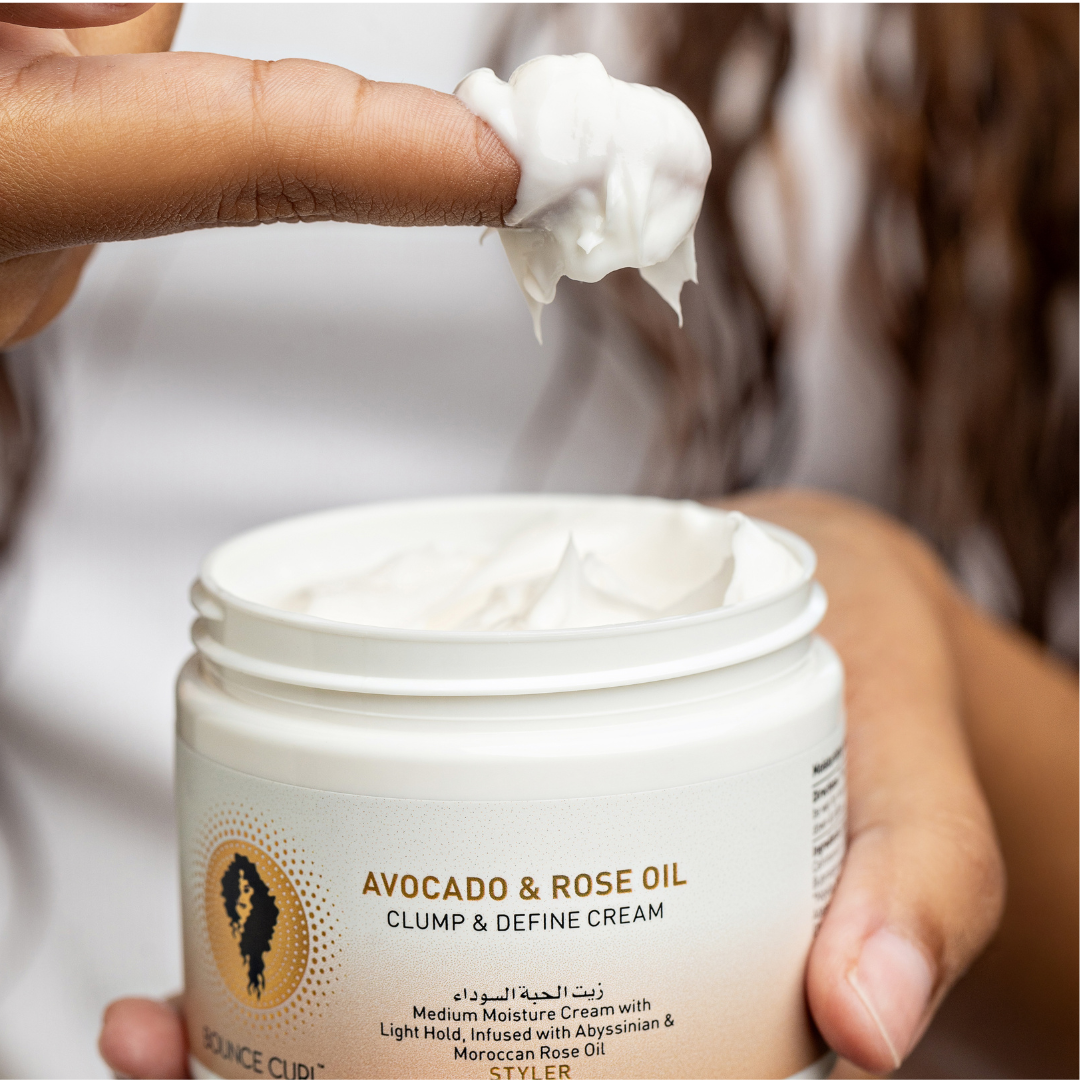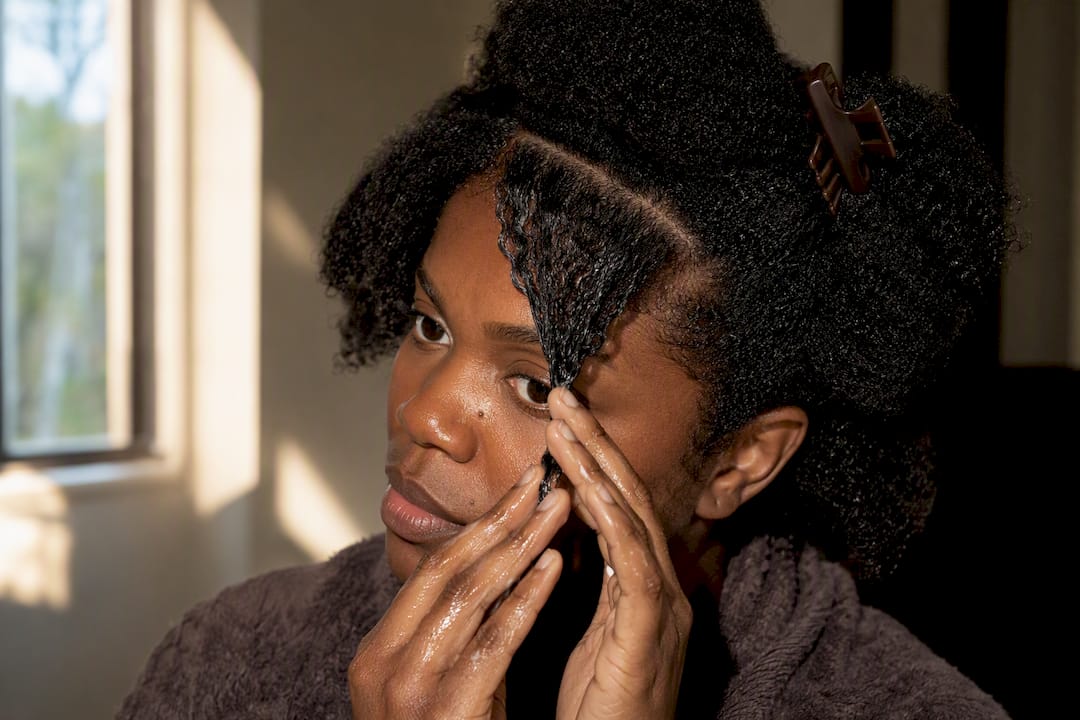
Yes, 4C hair can wear a defined wash and go. It just needs a moisture-first routine built around small sections, shingling, and a strong water-based gel applied while the hair is still soaking wet. Fill a spray bottle with water before you start, split your hair into four to six sections, and work in small pieces from there.
Table of Contents
What Wash and Go 4C Hair Actually Looks Like When It Works
Shrinkage is not a flaw to fight, it’s the coil doing exactly what it’s built to do. Most 4C strands undergo significant shrinkage from their stretched length, and that’s structural, not a sign of damage. Once you stop chasing length and start chasing definition, the whole routine gets easier to judge.
Success on a 4C wash and go looks different than it does on looser textures, and comparing the two sets you up to feel disappointed for no reason. The goal is moisture and clump definition inside your coil’s natural shape, not a longer curl. After your first attempt, check for these signals:
-
Clumps forming in roughly uniform groups, not one solid mass of frizz
-
A soft, flexible cast you can scrunch out with your palms, not a hard shell
-
A scalp that feels clean and comfortable, not tight or itchy
-
Volume that looks full at the root instead of flat or matted down
Pre-Wash Checklist: Products, Tools, and What to Test First
Before you touch water, line up six product categories: a clarifying shampoo, a deep conditioner, a leave-in, a curl cream or custard, a water-based gel, and a sealing oil. Each does a specific job. Skip the clarifier and old product buildup blocks moisture. Skip the deep conditioner and you’re locking dehydrated strands under a gel cast for days, which the American Academy of Dermatology’s guidance on washing coily hair flags as a common cause of dull, brittle results.
You’ll also want a spray bottle, a diffuser attachment or hooded dryer, a wide-tooth comb, sectioning clips, and a microfiber towel or old cotton t-shirt for plopping.
Before committing to a full wash day, test your products on one section only. Wash, deep condition, and style that single section with your planned products, then wait 24 hours. If it feels moisturized and flexible, move forward. If it feels stiff or greasy, adjust one variable at a time rather than overhauling everything.
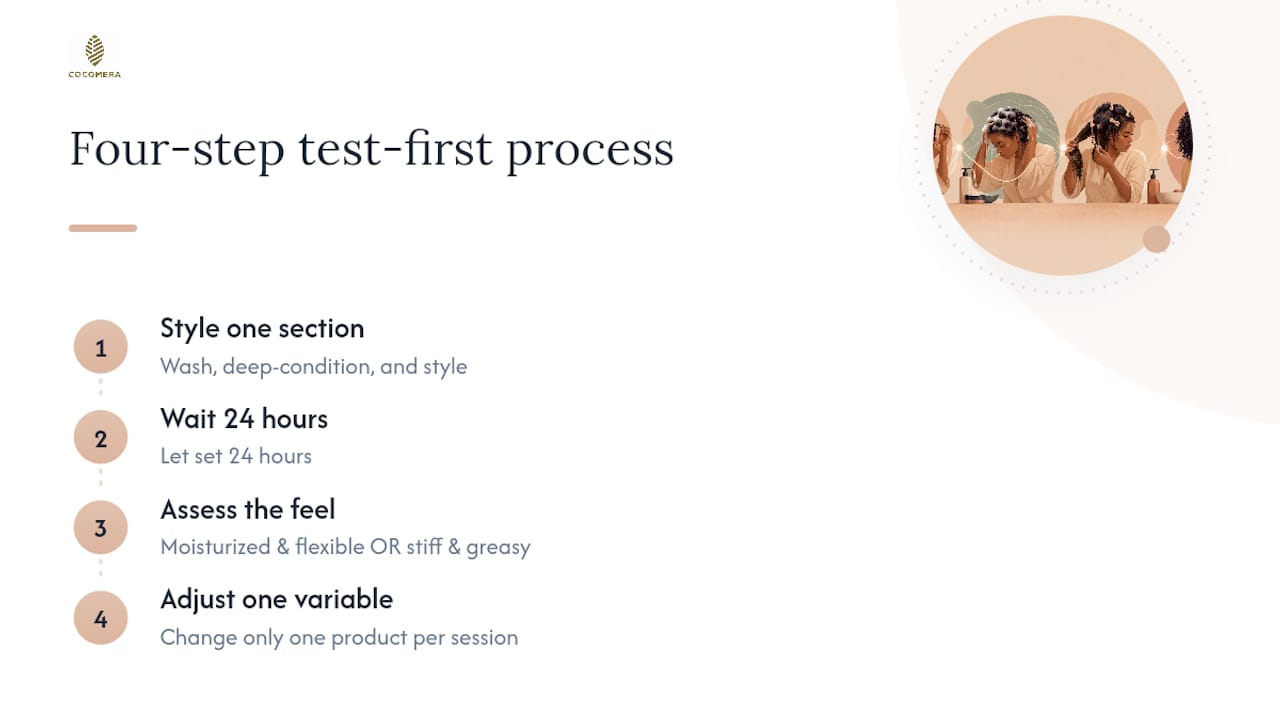
Pro Tip: Never change your gel, your leave-in, and your cream all in the same wash. Swap one product per session so you actually know what caused the change.
How to Do a Wash and Go on 4C Hair, Step by Step
The full process for 4C hair care runs two to three hours from start to finish, and rushing any single stage is the fastest way to end up with frizz instead of defined clumps.
-
Clarify (10 to 15 minutes). Wash with a clarifying shampoo or a gentle cowash to strip buildup without over-drying strands.
-
Deep condition (20 to 30 minutes). Apply generously, detangle with your fingers or a wide-tooth comb while the conditioner is in, and use heat or a plastic cap if you have one (see Washing Hair Extensions Step by Step for Lasting Results for gentle handling techniques).
-
Rinse and apply leave-in (5 to 10 minutes). Rinse with cool water to help cuticles lie flat, then apply leave-in conditioner to soaking-wet hair using the praying-hands method, smoothing both palms down each section.
-
Section the hair (10 to 20 minutes). Divide into four to six large sections, then break each into index-finger-width subsections for styling.
-
Shingle and apply gel (45 to 75 minutes). This is the step that makes or breaks definition. Apply your cream first, then rake a water-based gel through each tiny subsection, smoothing downward in a shingling motion so every strand inside the clump gets coated. Keep hair wet throughout. If a section starts drying before you reach it, mist it again.
-
Diffuse and cold-shot (30 to 45 minutes). Dry on low to medium heat with a diffuser, finishing with a cold-shot blast to harden the cast.
If you want extra length or a looser look, band each shingled section with fabric-covered elastics before drying, or twist two or three strands together. Remove the bands or twists only once hair is completely dry.
Drying and Setting Without Losing the Clumps
A diffuser or hooded dryer beats air-drying on dense 4C hair almost every time, mainly because it sets the cast faster and gives humidity less time to undo your shingling work. Air-drying is fine if you have nowhere to be and don’t mind extra shrinkage, but expect a longer wait and more frizz risk along the way.
-
Use low to medium heat, moving the diffuser in slow circles rather than blasting one spot
-
Avoid touching or separating clumps while they’re still damp, since that’s when frizz sets in
-
Finish with two to three minutes of cold air to harden the gel cast
-
Test for dryness by gently squeezing a section near the root; if it feels cool or damp, keep going
-
Remove bands or twist sets slowly, unraveling rather than pulling, once hair is fully dry
How to Maintain Your Wash and Go Between Washes
Protect your set at night with a satin bonnet, a silk pillowcase, or a loose pineapple gathered at the top of your head. Tight ponytails or cotton pillowcases will flatten clumps and pull moisture out of your strands overnight.
In the morning, mist lightly with water mixed with a bit of leave-in conditioner, then smooth in a tiny amount of gel only where curls have loosened. You don’t need to redo the whole head.
Watch for signs it’s time to wash again rather than refresh:
-
Product buildup that feels waxy or won’t rinse out with water alone
-
Curls losing their bounce even after a fresh mist
-
Scalp itching, flaking, or tenderness
-
Sections that have started matting together at the root
Fixing the Most Common Wash and Go Problems
Most wash and go failures trace back to one of three issues, and none of them require starting over from scratch.
-
No clumping, just frizz. Your sections were too large or your gel didn’t reach every strand. Re-wet the affected area, break it into smaller pieces, and reapply gel using a slower, more deliberate shingling motion.
-
A crunchy cast that won’t soften. This means the gel did its job, but you need to scrunch it out. Rub a small amount of light oil between your palms and gently scrunch upward from the ends. Avoid adding more oil than that, since heavy oil on top of gel causes buildup fast.
-
Hair that feels weighed down and flat. Too much cream is the usual culprit. Cut your cream amount by half next time, or swap to a lighter cream-and-gel combination for finer or lower-density coils.
Product Guidance for a Better Wash and Go
A moisture-first framework only works if the products behind it actually deliver water to the strand and hold it there, and that’s the approach used when curating options for 4C textures. Three products cover the core stages of the routine without asking you to gamble on full-size bottles.
-
The AS I AM Born Curly Avocado Shea Cowash handles the gentle cleanse stage for readers who want to skip stripping shampoos on wash day.
-
The AS I AM Rice Water Mist Spray is built for rewetting sections mid-style or refreshing definition on day two or three.
-
The Bounce Curl Curly Trial & Travel Kit lets you run that one-section test mentioned earlier without committing to full sizes across three or four products at once.
When shopping beyond these three, look for water listed as the first ingredient and gentle film-forming polymers (PVP, VP/VA types) for hold instead of heavy waxes that build up fast.
Our Take: What Actually Moves the Needle on 4C Wash and Gos
Most advice on wash and gos treats hair type as an afterthought, borrowing techniques built for 3A and 3B curls and hoping they translate. They don’t, and that mismatch is the real reason so many people with 4C hair conclude the style “just doesn’t work” for them. It’s not the coil failing. It’s the technique fitting the wrong texture.
Shingling small subsections while hair stays soaking wet is the one non-negotiable step in this entire routine. Everything else, from cowash choice to diffuser brand, is adjustable. That single technique is not.
If we’re being honest about where people waste money, it’s buying four full-size products before confirming any of them actually work with their hair’s moisture and protein balance. A trial-first approach isn’t a compromise, it’s the smarter default. Test on one section, learn what your coils actually want, then buy full sizes with confidence instead of hope.
— Cocomera
Shop Cocomera Picks for a 4C Wash and Go
Building a wash and go routine that actually holds up shouldn’t mean buying five full-size bottles and hoping one of them works. The site curates 4C-specific options so you can test a combination on a single section first, the same approach outlined earlier in this piece.
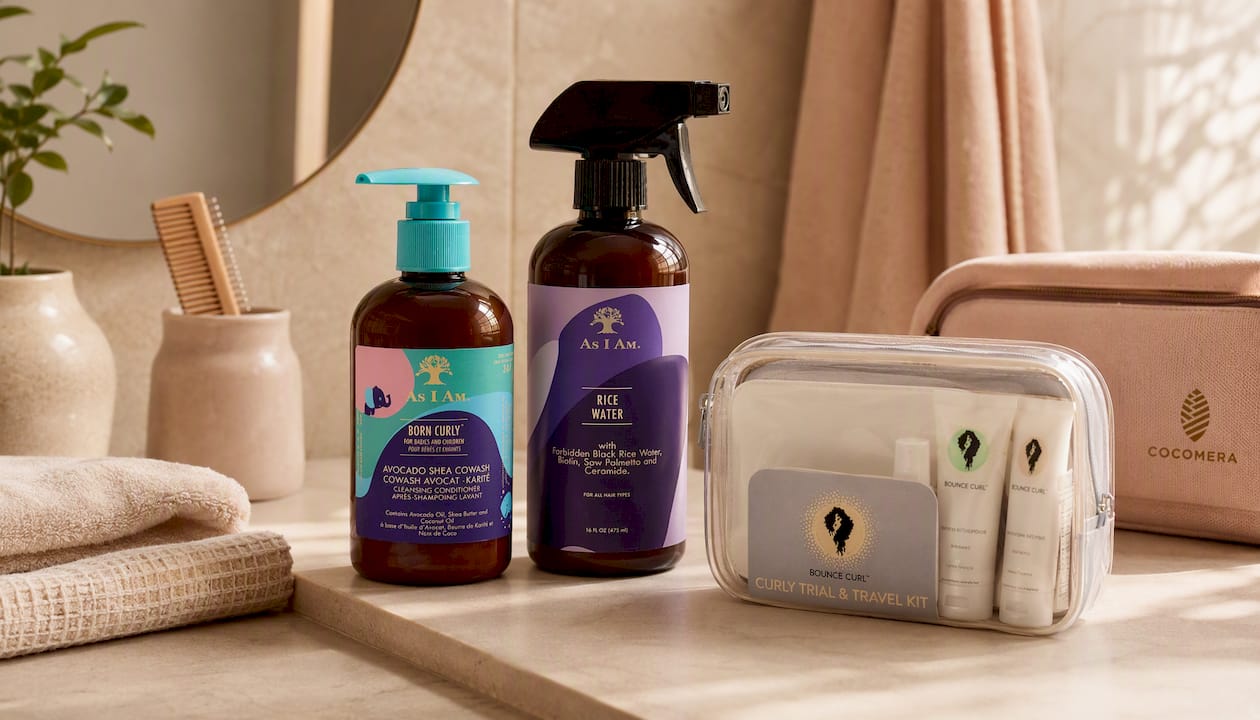
Start with the Bounce Curl Curly Trial & Travel Kit if you’re still finding your product lineup. It gives you enough of each formula to run a real one-section test without the cost of full sizes. Pair it with the AS I AM Born Curly Avocado Shea Cowash for wash day cleansing that won’t strip your moisture work, and keep the AS I AM Rice Water Mist Spray on hand for refreshing definition on day two or three. Change one product at a time, note what works, and build your full routine from there. Browse the current lineup at Cocomera and start with the trial kit before you commit to anything larger.