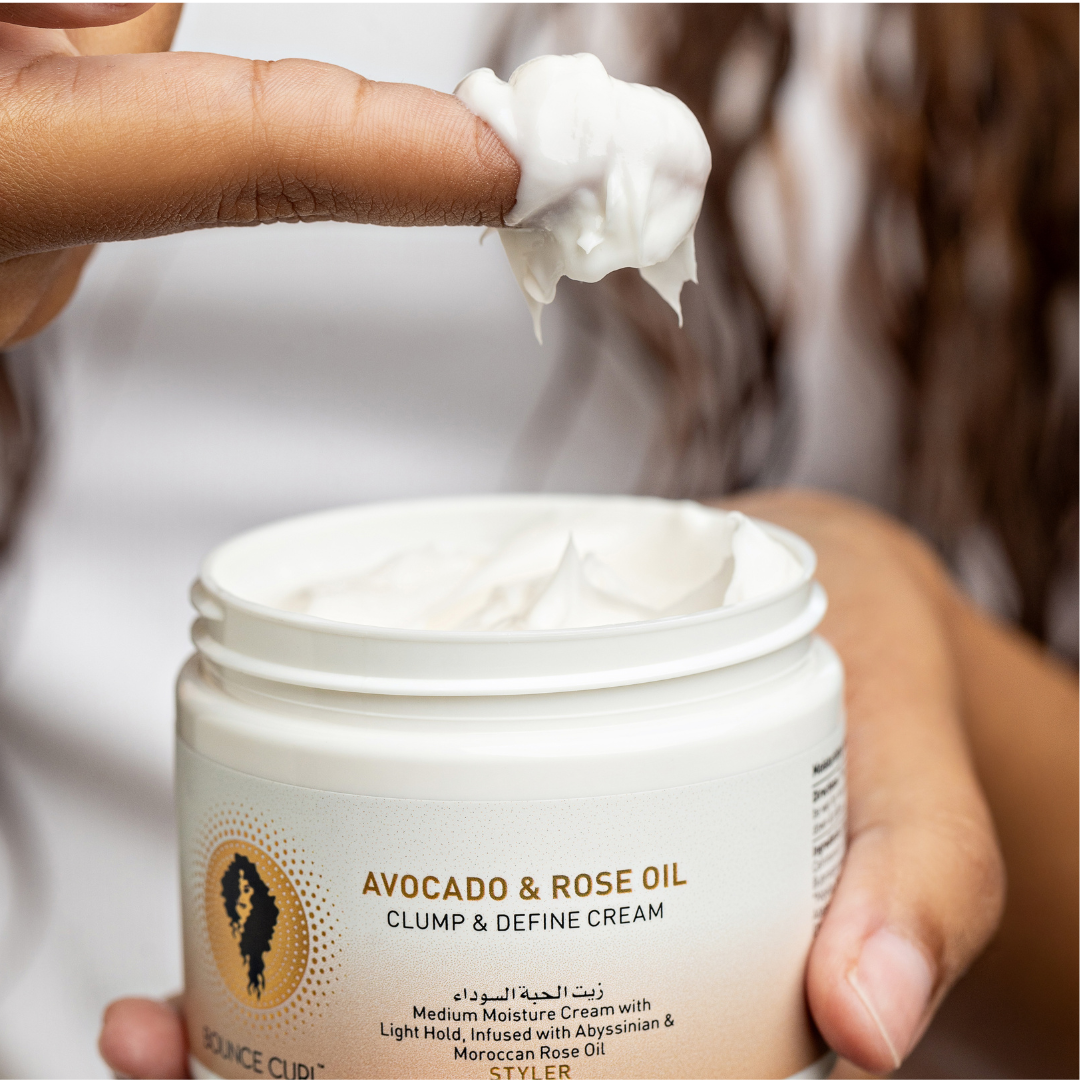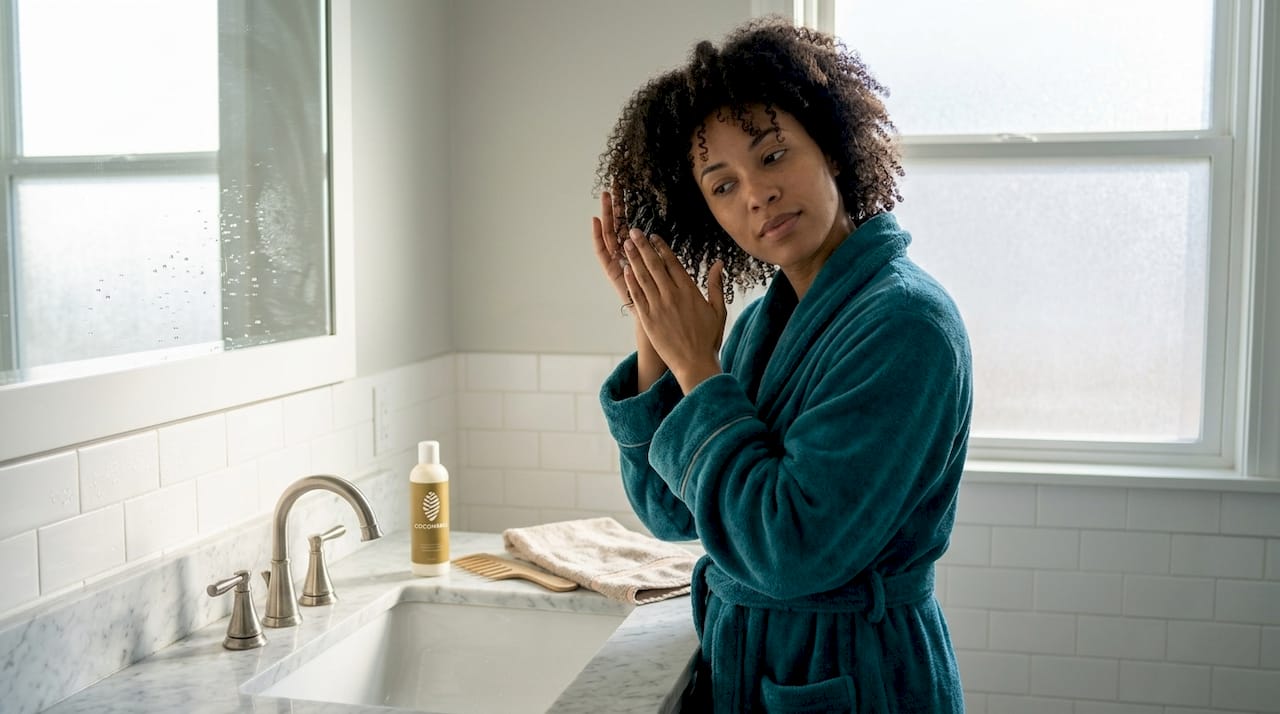
Wet styling is one of the most talked-about techniques in the textured hair community, yet it’s still widely misunderstood. Many people assume it just means applying products to damp hair, but there’s a lot more to it than that. When done right, wet styling can transform your curl definition, cut down on frizz, and make your routine more efficient. For those of us with wavy, curly, coily, or afro hair living in Sweden, where the climate shifts from bone-dry winters to humid summers, knowing how to wet style properly is not just helpful. It’s genuinely essential.
Table of Contents
- What is wet styling? Defining the technique for curly and afro hair
- Core mechanics: Step-by-step wet styling for every texture
- How porosity, hair density, and climate shape your wet styling routine
- Common mistakes and pro fixes for flawless wet styling
- Why wet styling is more powerful and misunderstood than ever
- Find the right products and tools for your wet styling journey
- Frequently asked questions
Key Takeaways
| Point | Details |
|---|---|
| Wet styling defined | Wet styling means applying products to saturated hair using special techniques to boost curl definition and minimize frizz. |
| Technique matters | Sectioning, raking, and scrunching are crucial for evenly distributed products and healthier, more consistent curls. |
| Adapt for your hair | Choose methods and products based on your hair’s porosity, density, and Sweden’s climate for optimal results. |
| Common mistakes | Avoid product overload and skipping sections to get bouncier, more defined curls with less trial and error. |
What is wet styling? Defining the technique for curly and afro hair
Wet styling is the practice of applying styling products, such as gels, creams, or leave-ins, to hair while it is completely saturated with water. Not damp. Not towel-dried. Soaking wet. That distinction matters because water acts as the foundation for product absorption, curl clumping, and lasting definition.
For textured hair types (waves through afro coils), this approach is especially effective. Why? Because textured hair is naturally more porous and prone to moisture loss. Styling while fully saturated means the cuticle is open and receptive. Products bond better, curls form more uniformly, and the results last longer compared to styling on dry or even slightly damp hair.
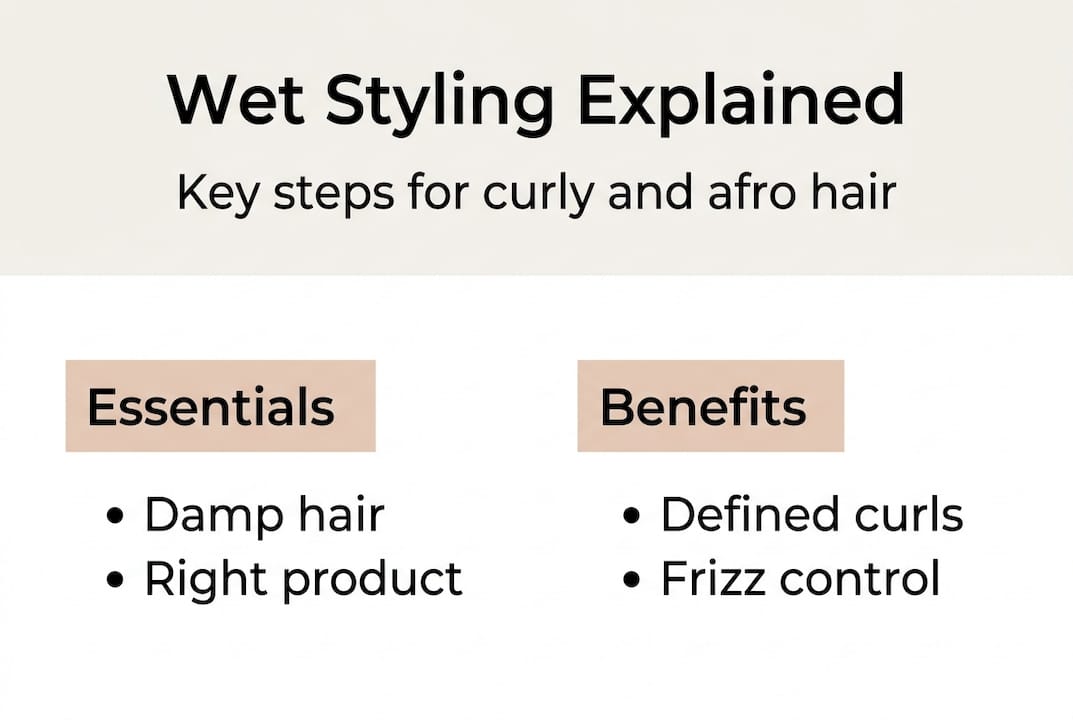
The difference between wet styling and dry styling is not just about timing. It’s about the entire philosophy of how you treat your strands. Dry styling often means disrupting curl patterns that have already formed, which creates frizz. Wet styling lets you build the pattern from scratch with full control.
Here’s a quick look at how they compare:
| Feature | Wet styling | Dry styling |
|---|---|---|
| Curl definition | High | Moderate |
| Frizz control | Excellent | Variable |
| Product absorption | Maximum | Limited |
| Suitable for afro hair | Yes | Sometimes |
| Best climate for use | All (especially humid) | Dry climates |
The afro hair styling steps you use during wet styling are what determine your final results. Core mechanics involve sectioning hair, using techniques like praying hands (smoothing product between palms down strands), raking (fingering through the hair), shingling (smoothing per curl clump), and scrunching upwards to clump curls and distribute product evenly while the hair is fully saturated.
Key benefits of wet styling for textured hair:
- Maximized moisture retention because water is locked in with product
- Better curl clumping which reduces the stringy, separated look
- Reduced mechanical damage since wet hair is styled with slip
- Longer-lasting definition that cuts down on daily restyling
- Frizz reduction by sealing the cuticle with layered products
“The goal of wet styling is not perfection on day one. It’s building a foundation that your curls can work with for days.”
Once you understand the why, the technique becomes intuitive rather than overwhelming.
Core mechanics: Step-by-step wet styling for every texture
Knowing the concept is one thing. Doing it well is another. Here is a practical routine you can follow regardless of your curl type, from loose 2A waves to tight 4C coils.
- Start in the shower. Apply your conditioner and detangle with a wide-tooth comb or your fingers while the water runs. This is the best time to remove knots without breakage.
- Do not towel-dry aggressively. If you want to remove some water, use a microfiber towel or an old T-shirt and scrunch gently. Your hair should still feel very wet.
- Section your hair. Sectioning hair into four or more parts gives you control and ensures every strand gets product. This step is especially important for thick or dense hair.
- Apply your leave-in conditioner. Work through each section using the praying hands method, smoothing the product from root to tip.
- Choose your technique based on texture. For wavy hair (2A to 2C), use scrunching with a light gel. For curly hair (3A to 3C), try raking followed by scrunching. For coily and afro hair (4A to 4C), shingling or the wash-and-go with generous gel is ideal. Use an EdgeLift Styling Brush to define edges and smooth flyaways cleanly.
- Scrunch out excess water and allow curls to air dry or diffuse on low heat.
- Do not touch until fully dry. Touching wet curls disrupts clumps and creates frizz.
For a deeper look at wash day structure, the coily hair wash day workflow breaks down each phase with product timing and order.
Common mistakes people make:
- Using too much product at once, which leads to crunchy or flakey results
- Skipping sectioning, which causes uneven definition and missed strands
- Applying products to hair that is too dry
- Rushing the dry time and touching curls before they’ve set
Pro Tip: The moment you feel your hair starting to dry on the surface, it’s usually too late for proper product absorption. Keep a spray bottle nearby and re-wet sections as needed before applying each product layer.
How porosity, hair density, and climate shape your wet styling routine
Your hair’s porosity (how easily it absorbs and retains moisture) and density (how many strands you have per square inch) directly affect which products work and how you should apply them.
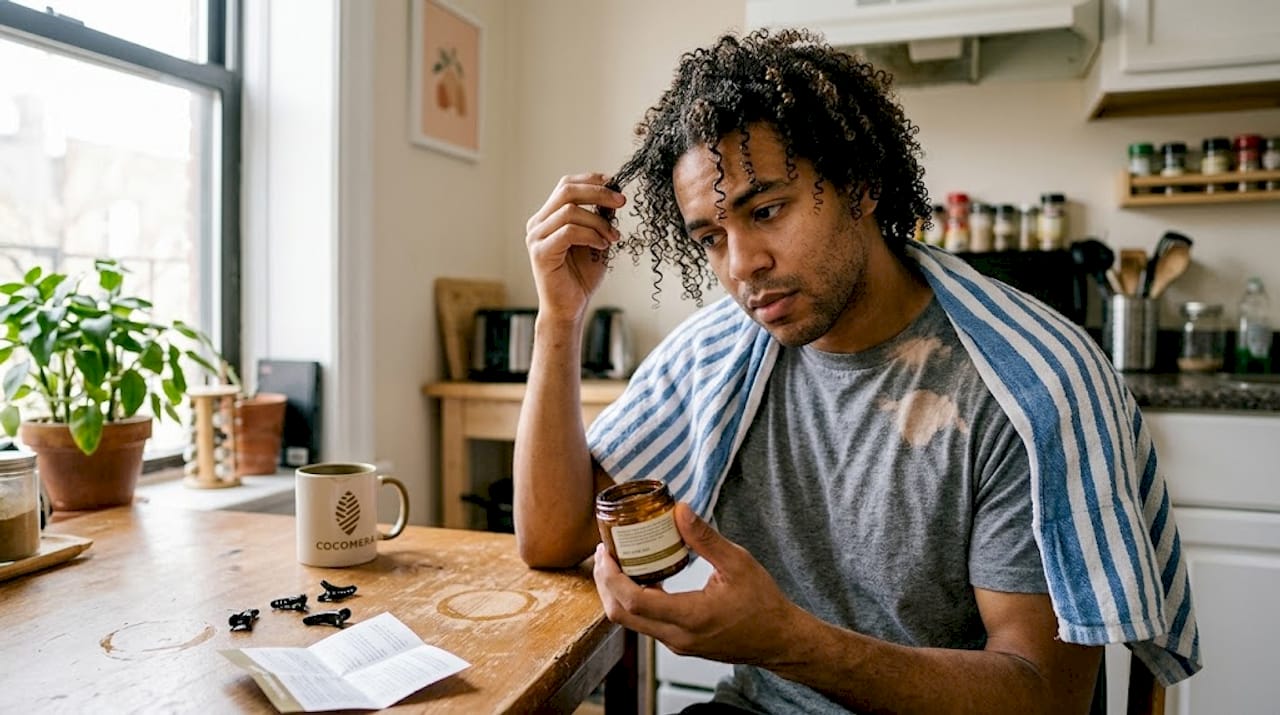
Low porosity hair repels moisture. The cuticle sits flat and tight, making it hard for water and products to penetrate. Low porosity hair needs lighter formulas and gentle heat (like a steamer or warm towel) to help absorption. Heavy butters and thick creams tend to just sit on top and cause buildup.
High porosity hair absorbs moisture fast but loses it just as quickly. It benefits from protein-rich products and heavier sealants to lock moisture in after wet styling.
| Hair type and porosity | Best product type | Best technique |
|---|---|---|
| Fine wavy (2A to 2C), low porosity | Lightweight gel or mousse | Scrunching |
| Curly (3A to 3C), medium porosity | Cream plus gel combo | Rake and scrunch |
| Coily (4A to 4B), high porosity | Leave-in plus butter plus gel | Shingling |
| Afro (4C), high porosity | Protein treatment plus heavy cream | LOC or LCO method |
Now factor in Sweden’s climate. Swedish winters bring cold, dry air that pulls moisture from your strands fast. Summers can be humid, especially in coastal areas. For the best oils for curly hair as sealants, think argan, jojoba, or castor oil depending on your density. In humid conditions, anti-humectants (ingredients that block excess moisture from the air entering the hair shaft) like oils and butters are your best friends. They prevent the swelling and frizzing that high humidity causes.
Key adaptations for Swedish weather:
- Winter: Add a heavier oil or butter as the final sealant step
- Summer: Use a firm-hold gel with anti-humectant properties on top of your cream
- Year-round: Avoid glycerin-heavy products as the top layer in very cold or very humid conditions
Pro Tip: If your gel is crunching badly but your curls look flat underneath, the issue is often the product layering order, not the product itself. Try adjusting what you apply first and how much water remains when you apply it.
Common mistakes and pro fixes for flawless wet styling
Even experienced naturalistas run into issues. Here are the most common wet styling problems and exactly how to fix them.
- Frizz after drying. This usually means the hair wasn’t wet enough when you styled it, or you touched it while it was still drying. Fix: Restyle on soaking-wet hair and hands off until fully dry.
- Flat roots with no volume. Happens when products are applied too heavily at the root. Fix: Apply gel and cream mainly from mid-length to ends. Use clips at the root while drying to lift volume.
- Stringy, separated curls. Often caused by too much product or not enough scrunching. Fix: Use less product, scrunch more aggressively upward, and try the “praying hands” motion before scrunching.
- Product buildup or flaking. Usually means incompatible products (mixing water-based and silicone-based formulas) or skipping clarifying washes. Fix: Clarify once a month and stick to compatible product lines.
- Crunchy cast that won’t soften. This actually means your gel worked. Fix: Once fully dry, scrunch the hair gently with a drop of oil in your palms to break the cast and reveal soft, defined curls.
Sectioning thick or dense hair is non-negotiable for even product distribution. For fine hair, the guide for wavy hair care is a solid reference for lightweight product choices that don’t flatten delicate waves.
“The biggest mistake isn’t using the wrong product. It’s using the right product the wrong way.”
Pro Tip: For fine or low-density hair, always err on the side of less product. You can always add more, but removing excess product mid-style disrupts your curl pattern and adds frizz.
Why wet styling is more powerful and misunderstood than ever
Wet styling gets a reputation for being high-maintenance. We’ve heard it. “It takes too long.” “My hair doesn’t hold the style.” “It only works for certain curl types.” But here’s what those takes miss entirely: the time you spend wet styling once is time you save every single morning for days afterward.
In Sweden specifically, the textured hair community has grown significantly. More people are looking for routines that genuinely work in this climate, not just tutorials filmed in Los Angeles or Miami. The challenge is that most advice online doesn’t account for cold-weather styling or the specific needs of advanced afro hair styling in low temperatures.
Wet styling also carries cultural weight. For many women with afro and coily hair, this isn’t just a trend. It’s a return to techniques that respect the natural structure of their hair rather than fighting it.
The nuance most guides skip is this: wet styling is not a single method. It’s a framework. Your version of it will look different from someone else’s because your porosity, density, product access, and climate are all different. Finding your version of the method is the real work, and it’s worth every minute.
Find the right products and tools for your wet styling journey
Getting your wet styling routine right depends heavily on having the right tools and formulas in your corner. At Cocomera, we curate products specifically for wavy, curly, coily, and afro hair, with the Swedish climate and textured hair needs front of mind.

Browse our full range of styling products for curly hair to find gels, creams, and leave-ins that match your curl type and porosity. Explore our hair brushes and combs for sectioning and definition tools that make the process easier and gentler. And if your hair needs extra support, our hair treatments for curly hair include protein treatments and deep conditioners to prep your strands before every styling session. Everything is available in one place, delivered to your door in Sweden.
Frequently asked questions
Can wet styling help reduce frizz in humid Swedish weather?
Yes, using anti-humectants like oils during wet styling can block excess moisture from the air and significantly reduce frizz in Sweden’s variable climate.
Is wet styling suitable for all hair types?
Yes, wet styling works for wavy, curly, coily, and afro hair. Fine waves (2A to 2C) do best with lightweight products, while thick or dense hair benefits most from thorough sectioning and heavier sealants.
How does hair porosity change my approach to wet styling?
Low porosity hair needs lightweight formulas and gentle heat to absorb moisture effectively, while high porosity hair benefits from protein-rich products and heavier creams to seal hydration in.
Is wet styling time-consuming compared to dry methods?
Wet styling can take more time upfront, but it creates longer-lasting curl definition that often reduces the need for daily restyling, making it more efficient overall.
Recommended
- Afro hair styling steps for 3 and 4 curls in 2026 – Cocomera
- Best ingredients for textured hair: curly, coily & afro – Cocomera
- Best hair moisturizers for curly, coily & afro hair – Cocomera
- Master your coily hair wash day workflow for healthy curls - Cocomera
- Pomade vs wax vs gel: Best natural hair styling choice – Moose’s Tallow