TL;DR:
- Pre-poo treatments are products applied before shampooing to protect textured hair from damage caused by wetting and friction. They help control swelling, reduce breakage, and improve moisture retention during wash day. Choosing the right type depends on hair porosity, texture, and scalp condition to achieve optimal protection and manageability.
Pre-poo treatments are products applied to dry or damp hair before shampooing to protect strands from moisture loss, friction, and mechanical damage. For textured hair, specifically wavy, curly, coily, and afro types, this step is one of the most protective things you can add to your wash day. Hair in these curl patterns is naturally more fragile and prone to tangling, which makes the shampooing process a high-risk moment for breakage. A pre-poo treatment creates a buffer between your hair and the stress of washing, so your strands come out of wash day softer, stronger, and easier to manage.
What are pre-poo treatments and how do they protect hair?
Pre-poo is short for “pre-shampoo.” The term is informal, but the practice has a real scientific basis. When hair gets wet, the fiber swells and stretches. In that swollen state, hair fibers become fragile and far more vulnerable to snapping under the friction of shampooing and detangling. Pre-poo treatments work by limiting how much water enters the hair shaft in the first place.
Oils are the most studied pre-poo ingredient. Coconut oil penetrates the hair shaft because its lauric acid binds directly to keratin, the protein that makes up your hair. That bond reduces the amount of water the fiber absorbs, which controls swelling and cuts down on cuticle damage. The result is less frizz, less breakage, and a smoother cuticle after washing.
Pre-poo is best understood as wash-day engineering. The goal is not just to add moisture. The goal is to control the physical effects of wetting and washing before they cause damage. That shift in thinking changes how you choose and use these treatments.
Key mechanisms at work during a pre-poo:
-
Swelling control: A lipid or conditioning layer limits water ingress into the hair cortex.
-
Friction reduction: A slippery coating lets fingers and tools glide through tangles with less force.
-
Cuticle protection: Less swelling means the cuticle scales stay flatter and are less likely to chip or lift.
-
Keratin preservation: Penetrating oils bind to protein sites, reducing the loss of structural integrity during washing.
Pro Tip: Apply your pre-poo to dry hair rather than damp hair. Dry hair absorbs oils more readily, giving the treatment more time to penetrate before water enters the equation.
What types of pre-poo treatments are there?
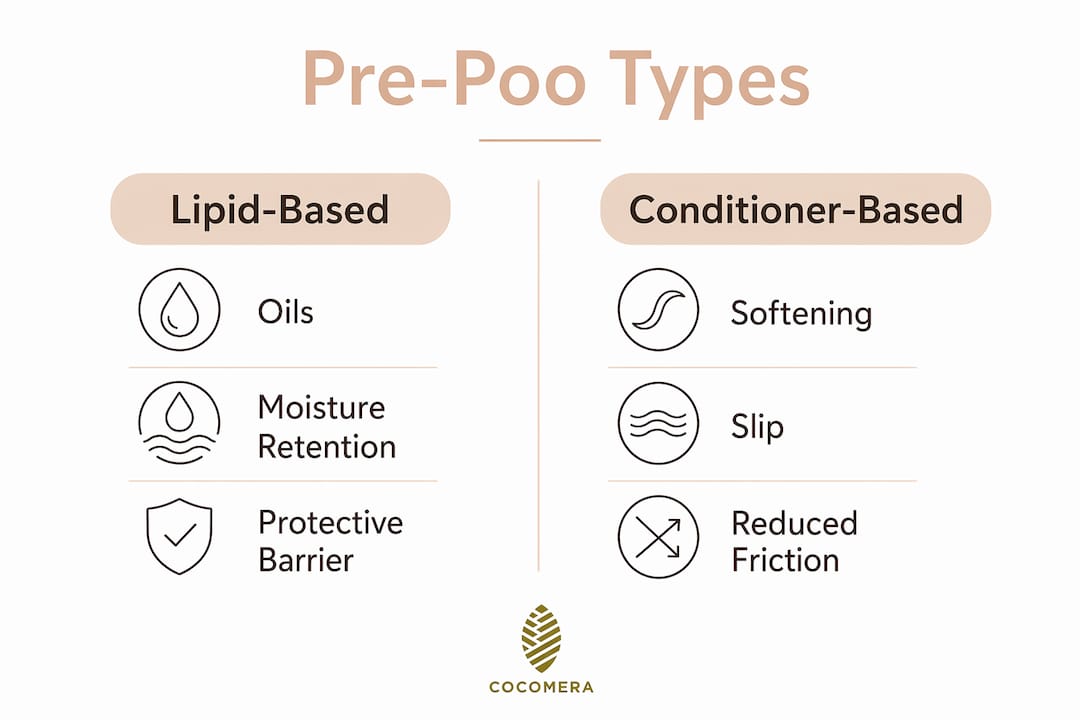
Pre-poo treatments fall into three main categories: lipid-based, conditioner-based, and film or slip-based. Each one works differently and suits different hair needs.
Lipid-based pre-poos
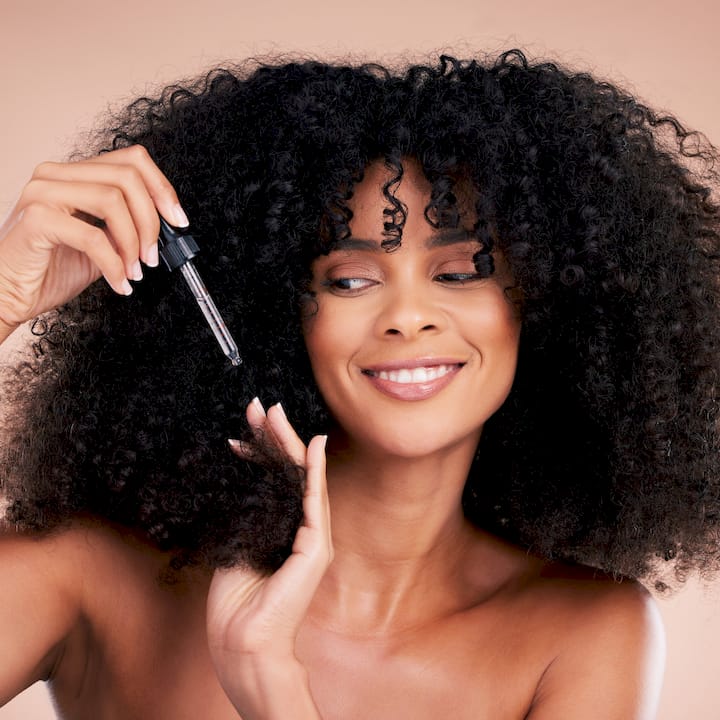
Lipid pre-poos use oils and butters to create a water-resistant barrier on and inside the hair shaft. Oils like coconut, babassu, avocado, and shea and mango butter repair dryness, reduce breakage, and add softness. Coconut oil is the gold standard here because it actually penetrates the shaft rather than just coating the surface. Avocado and babassu oils are lighter options that work well for hair that gets weighed down easily. Shea and mango butter are heavier and best for very dry, coily, or high-porosity hair.
Conditioner-based pre-poos
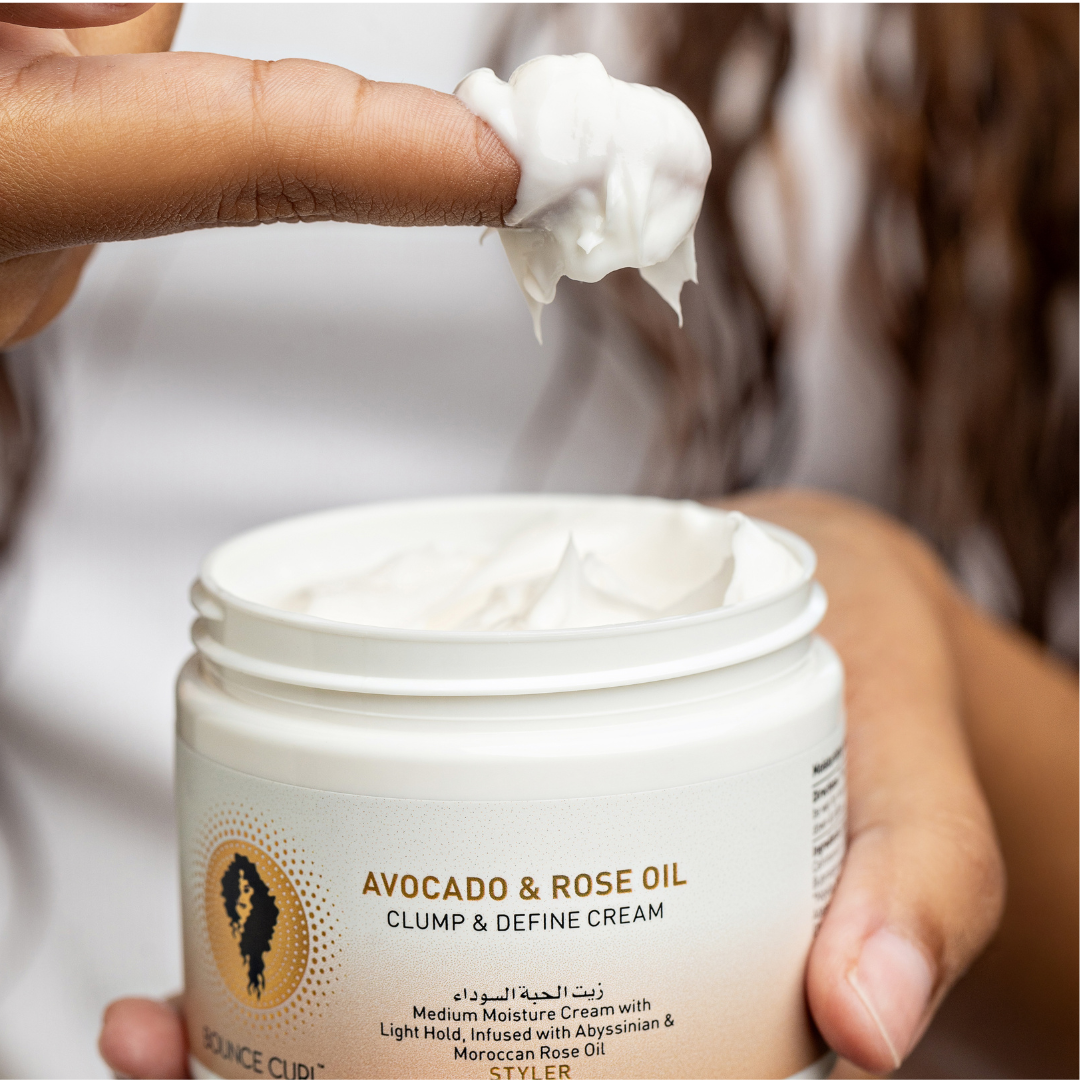
Conditioner pre-poos use a regular or deep conditioner applied before shampooing. They add slip, reduce static, and soften the hair before it ever touches shampoo. This method works well for people who find oils too heavy or who have low-porosity hair that resists oil absorption. A conditioner pre-poo also adds a layer of humectants and emollients that help the hair retain moisture through the wash.
Film and slip-based pre-poos
Film-forming pre-poos coat the hair surface with a thin, flexible layer that smooths the cuticle and reduces friction. These are often gel-based or contain ingredients like aloe vera or flaxseed. They are particularly useful for detangling before washing because they give the hair a slippery surface that lets knots release with less force.
| Pre-poo type | Main benefit | Best for |
|---|---|---|
| Lipid-based (oils, butters) | Penetrates shaft, controls swelling | Dry, coily, high-porosity hair |
| Conditioner-based | Adds slip and softness | Low-porosity or fine textured hair |
| Film/slip-based | Smooths cuticle, eases detangling | Tangle-prone, type 3 and 4 hair |
Combining oils and conditioners during a pre-poo addresses both hydration and slip at once. Many people with textured hair find this combination gives the best results on wash day.
How to choose and apply a pre-poo based on your hair type
Choosing the right pre-poo comes down to three factors: porosity, texture, and scalp condition. Pre-poo frequency and product choice depend on hair type, and getting this wrong is the most common reason people feel the step is not working for them.
Matching pre-poo to porosity
High-porosity hair absorbs water fast and loses it just as fast. Heavier oils like coconut or castor oil, or a thick deep conditioner, give this hair type the barrier it needs. Low-porosity hair has tightly closed cuticles that resist absorption. Lighter oils such as babassu or jojoba, or a conditioner-based pre-poo with gentle heat, work better here. Applying heat with a plastic cap for 15–20 minutes helps open the cuticle enough to let the treatment in.
Scalp versus lengths
Scalp-focused pre-poos address buildup, dryness, and inflammation before cleansing. Treating the scalp and the lengths separately gives you the most control. If your scalp is dry, a light oil massage before washing helps lift buildup and soothe irritation. If your scalp is oily, skip the scalp and focus the pre-poo on your mid-lengths and ends. You can also explore hair and scalp care products designed specifically for this dual approach.
Step-by-step application
-
Start with dry or lightly damp hair.
-
Section your hair into four or more parts for even coverage.
-
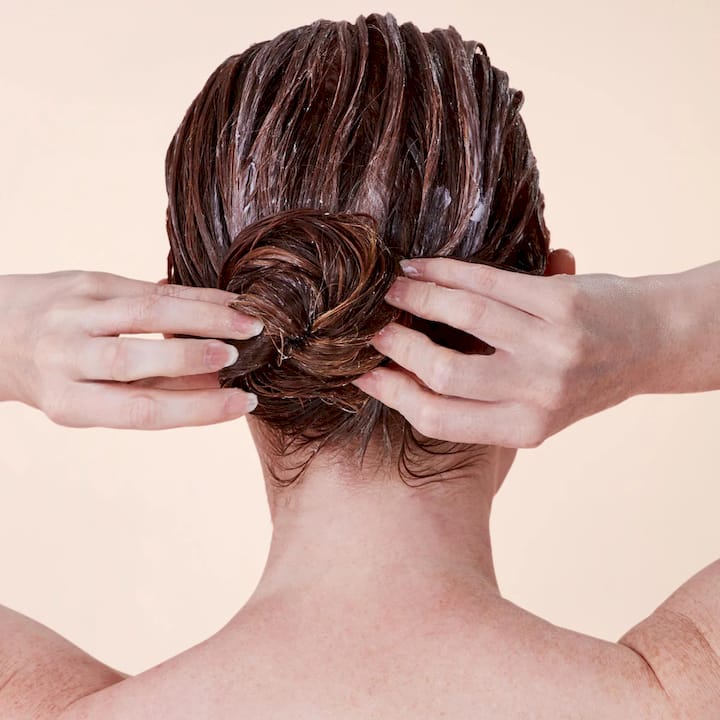
Apply your chosen pre-poo from mid-length to ends, or scalp to ends depending on your needs.
-
Use your fingers or a wide-tooth comb to gently work through tangles while the product is on.
-
Leave the treatment on for 3–30 minutes depending on the product and your hair’s needs.
-
Proceed to shampoo without rinsing the pre-poo first, or rinse lightly if using a heavy butter.
Pro Tip: Detangling during the pre-poo stage reduces breakage more than detangling after shampooing. The slip from the treatment lets knots release without the force that causes snapping. For a full wash-day workflow, the coily hair wash day guide at Cocomera walks through each step in detail.
What are the benefits and drawbacks of pre-poo for textured hair?
The benefits of a pre-poo treatment are well supported by cosmetic chemistry and the lived experience of people with textured hair. The drawbacks are real but manageable.
Benefits:
-
Less breakage: Controlling fiber swelling reduces the mechanical stress that snaps strands during washing and detangling.
-
Better moisture retention: A protective barrier keeps moisture inside the hair shaft longer after washing.
-
Softer, smoother hair: Oils and conditioners left on before shampooing improve the feel and manageability of hair post-wash.
-
Easier detangling: Slip from the pre-poo makes knots easier to release, which cuts down on shed hair and breakage.
-
Improved styling results: Hair that comes out of wash day in better condition holds styles longer and responds better to leave-ins and creams.
Potential drawbacks:
-
Product buildup: Using too much product, especially heavy butters, can leave residue that requires a stronger shampoo to remove.
-
Heaviness: Fine or low-porosity hair can feel weighed down if the pre-poo is too rich or left on too long.
-
Extra time: Pre-poo adds a step to wash day, which some people find difficult to fit into their routine.
“Excessive product use in pre-poo can lead to heaviness or quicker oiliness. Moderation aligned to your hair and scalp type is the key to making this step work consistently.”
The fix for most drawbacks is adjusting the amount and type of product. Less is often more, especially when you are starting out. Check the best oils for curly hair guide at Cocomera for science-backed options matched to porosity.
Key Takeaways
Pre-poo treatments protect textured hair by limiting fiber swelling, reducing friction, and preserving moisture during the most damaging phase of wash day.
| Point | Details |
|---|---|
| Pre-poo protects during washing | Applied before shampoo, it limits swelling and friction that cause breakage. |
| Three main types exist | Lipid-based, conditioner-based, and film/slip-based each suit different hair needs. |
| Porosity determines product choice | High-porosity hair needs heavier oils; low-porosity hair needs lighter formulations. |
| Detangle during pre-poo | Detangling with the treatment on reduces breakage more than detangling post-wash. |
| Moderation prevents buildup | Too much product causes heaviness; adjust amount and frequency to your hair type. |
What most people miss about pre-poo treatments
At Cocomera, we work with textured hair care every day, and the single biggest mistake we see is treating pre-poo as optional or inconsistent. People try it once, do not see dramatic results, and drop it. Pre-poo is a cumulative practice. The protection it offers builds over time as your hair retains more moisture and experiences less damage wash after wash.
The second thing people overlook is detangling during the pre-poo stage. Most people wait until after shampooing to detangle, which is the worst possible moment. Wet, freshly shampooed hair is at its most fragile. Detangling while the pre-poo is still on gives you slip, protection, and a far gentler process. We have seen this single change reduce visible breakage dramatically for people with type 4 hair.
The third overlooked point is scalp separation. Your scalp and your lengths have different needs. Applying a heavy butter to an already oily scalp creates buildup that no amount of shampooing fully removes. Treat them as two separate zones and your results will improve immediately.
Consistency, timing, and the right product for your specific porosity and texture. Those three things make pre-poo one of the most effective steps in a textured hair routine.
— Cocomera
Cocomera’s curated pre-poo treatments for textured hair
Cocomera carries a carefully selected range of products built for textured hair, including wavy, curly, coily, and afro types.
The hair treatments collection at Cocomera includes oils, masks, and deep conditioners suited for pre-poo application across hair types 2, 3, and 4. Whether you need a penetrating oil for high-porosity coils or a lightweight conditioner for low-porosity waves, the range is curated to match your specific curl pattern. For those who prefer a natural oil approach, the hair oil collection covers options from lightweight to rich, all chosen for their performance on textured hair. Every product in the Cocomera catalog is selected with one goal: making it easier to build a routine that actually works for your hair.
FAQ
What is a pre-poo treatment?
A pre-poo treatment is a product applied to hair before shampooing to protect strands from moisture loss, friction, and breakage during washing. It typically includes oils, butters, or conditioners left on for 3–30 minutes before wash day begins.
How long should you leave a pre-poo on?
Leave a pre-poo on for 3–30 minutes depending on the product and your hair’s needs. Heavier treatments like deep conditioners benefit from longer application times, especially with added heat.
Is pre-poo good for natural hair?
Pre-poo is especially beneficial for natural, textured hair because these hair types are more prone to tangling, dryness, and breakage during washing. The treatment reduces mechanical stress at the most vulnerable point in the wash process.
Can you use coconut oil as a pre-poo?
Coconut oil is one of the most effective pre-poo ingredients because its lauric acid penetrates the hair shaft and binds to keratin, reducing swelling and breakage. Cold-pressed, unrefined coconut oil performs best for this purpose.
How often should you pre-poo your hair?
Pre-poo frequency depends on your hair type. Thick, dry, or coily hair benefits from a pre-poo every wash day. Fine or oily hair may only need it once or twice a month to avoid buildup or heaviness.