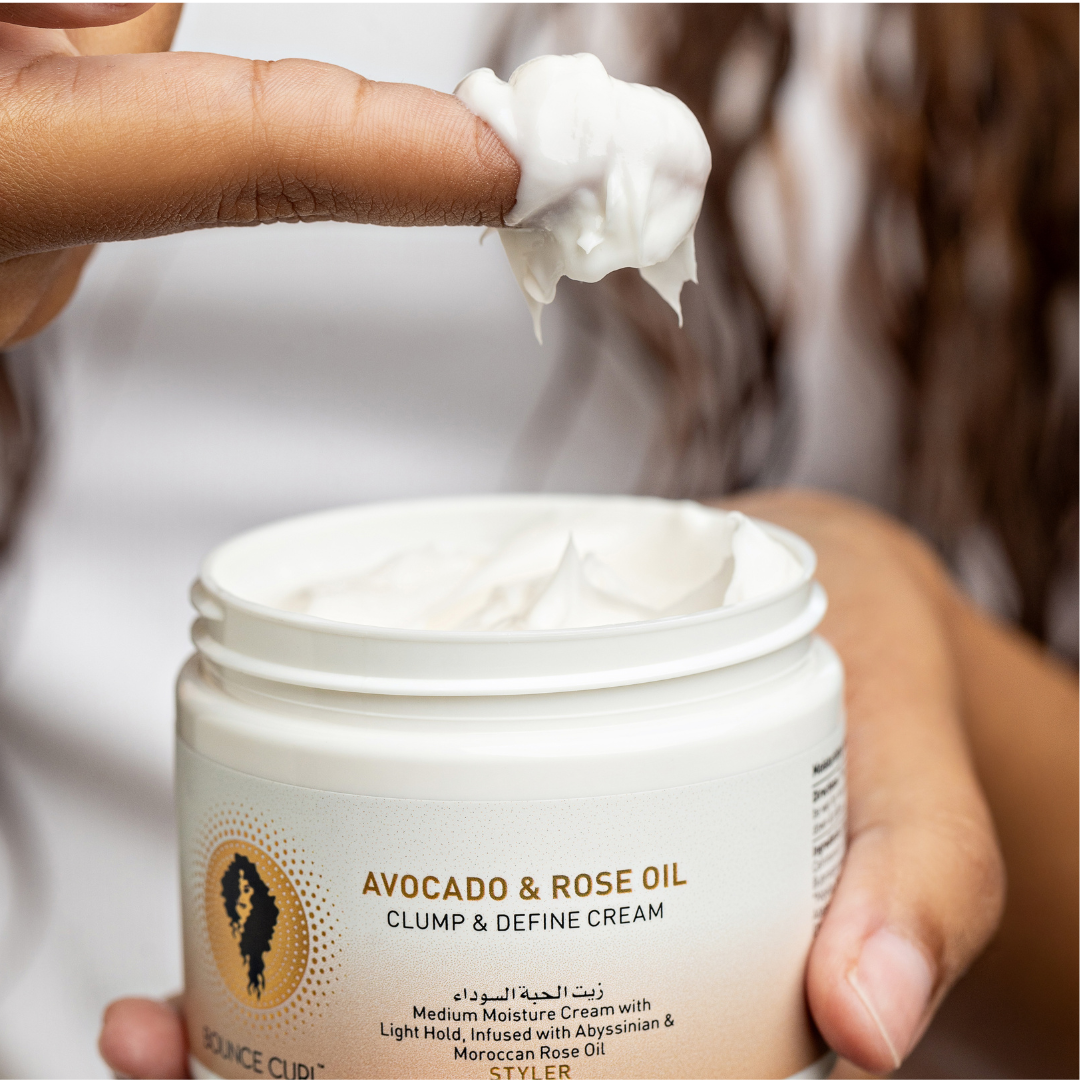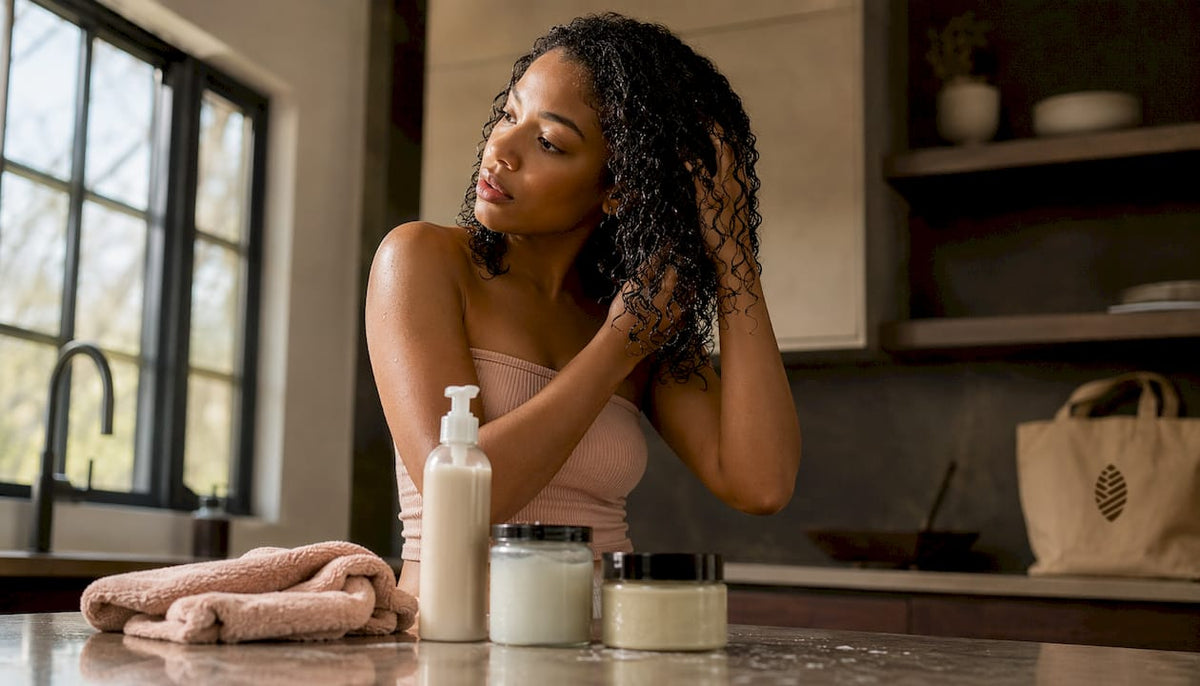
The scrunch technique is a hand-based styling method where you cup sections of damp hair in your palms and gently squeeze upward from the ends toward the scalp to encourage natural curl or wave formation. As Dr. Rubin explains, this upward squeezing motion promotes curl clumping and volume without heat, chemicals, or harsh manipulation. The result is softer, more defined texture rather than the stiff, crunchy curls that high-hold gels of past decades produced. Celebrity hairstylists consistently endorse scrunching as a foundational method for wavy and curly hair because it works with your hair’s natural pattern instead of fighting it.
Here is what scrunching delivers at a glance:
- Enhanced curl definition through gentle clumping of strands
- Reduced frizz by minimizing friction during the drying process
- More volume without weighing hair down
- Less heat exposure compared to blow-drying or flat-ironing
- Minimal styling time once you get the motion right
- No damage when done correctly on wet or damp hair
The tools are simple: your hands, a microfiber towel, or a cotton t-shirt. That’s genuinely all you need to start.
Table of Contents
- How to scrunch your hair for the best curl definition
- Adapting the scrunch technique for your specific hair texture
- Why scrunching is good for your hair, and what the experts say
- Key Takeaways
How to scrunch your hair for the best curl definition
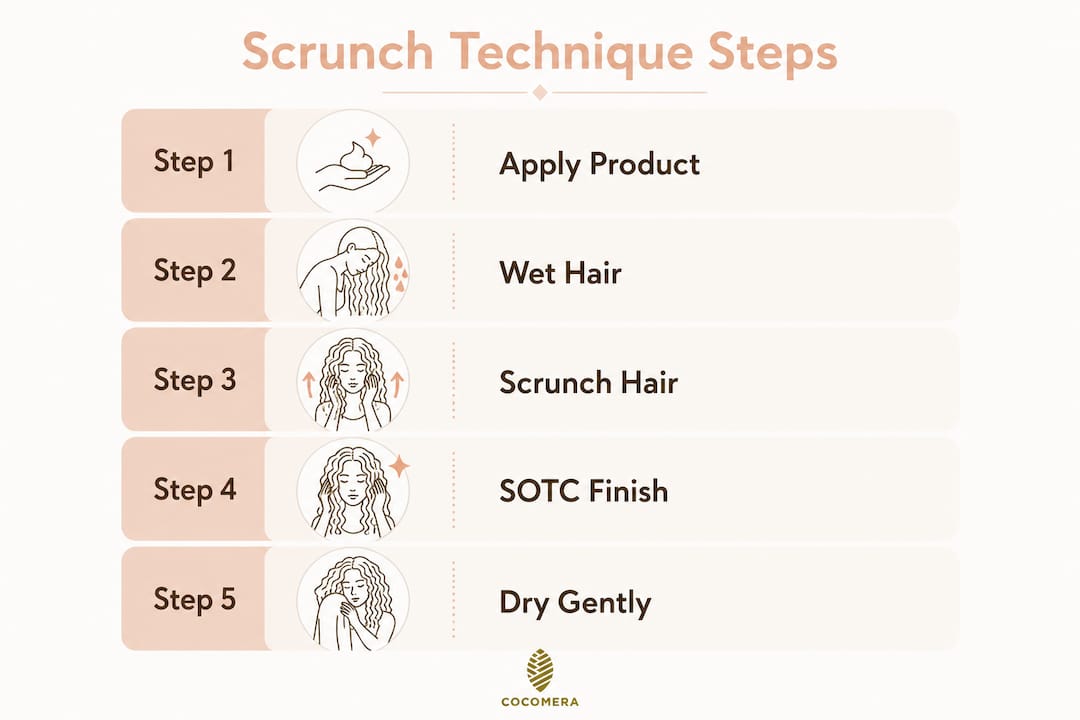
Getting the technique right comes down to timing, product choice, and the motion itself. Follow these steps in order.
- Start with clean, detangled hair. Freshly washed hair holds product better and responds more predictably to scrunching. Work through tangles with a wide-tooth comb and leave-in conditioner while hair is still wet.
- Remove excess water gently. Blot with a microfiber towel or cotton t-shirt rather than rubbing with a terrycloth towel. Friction from regular towels is a primary driver of frizz and disrupts the curl pattern before you even begin styling.
- Apply your styling products. Choose based on your texture: mousse or curl-enhancing milk for waves, curl cream or a building serum for tighter curls. Distribute evenly from roots to ends.
- Tilt your head forward. This simple shift adds volume at the roots and helps curls clump more naturally as you scrunch.
- Scrunch in upward sections. Cup a handful of hair, squeeze gently from the ends toward the scalp, and release. Move through your whole head section by section. The motion should feel like you’re pushing water up through the strands, not wringing them out.
- Repeat as hair dries. Scrunch again when hair is about 70% dry to redefine any sections that have started to separate.
- Air dry or diffuse on low heat. Either works. If diffusing, use a hover-and-release motion rather than pressing the diffuser directly against your head.
- Leave it alone while it dries. Touching your hair mid-dry breaks the curl cast and causes frizz. Patience here pays off.
- Scrunch out the crunch once fully dry. If you used a gel or mousse, your hair will dry to a hard cast. Gently scrunch the dried hair to break that cast and reveal soft, bouncy curls underneath. This step, often called SOTC (scrunch out the crunch), is what separates defined curls from crunchy ones.
Pro Tip: Scrunch a small amount of a lightweight oil or leave-in milk into your palms before the SOTC step. It softens the cast faster and adds a natural sheen without weighing curls down.
Adapting the scrunch technique for your specific hair texture
Scrunching works across hair types, but the timing, product weight, and wetness level need to match your texture. Using the wrong approach for your hair type is the most common reason people get limp, frizzy, or crunchy results.
Fine or wavy hair (type 2A–2B)
- Scrunch on damp hair, not soaking wet. Too much water weighs fine strands down before they can form a wave.
- Use lightweight products: a sea salt spray, a light mousse, or a curl-enhancing milk. Heavy creams will flatten your waves.
- Focus on volume at the roots. Tilt your head forward and scrunch upward firmly to encourage lift.
- Less product is almost always better here. Start with a small amount and add more only if needed.
Medium waves to loose curls (type 2C–3A)
- Apply a medium-hold mousse or curl cream to soaking wet hair, raking it through before scrunching.
- Plopping with a microfiber towel for 10–15 minutes after scrunching helps set the shape and absorbs excess water without disturbing the curl pattern.
- These textures benefit most from layering: a leave-in conditioner first, then a mousse or gel on top.
Tight curls and coily hair (type 3B–4C)
- Work with very wet hair and moisture-rich products. A curl building serum followed by a curl cream gives both definition and hydration.
- Scrunch firmly to encourage clumping. Tighter curl patterns need more encouragement to group together.
- Plop, then diffuse on low heat using a hover-and-release technique. Avoid touching curls while they dry.
- High-porosity hair in this range absorbs product fast, so you may need to work in smaller sections and add product as you go.
Dry scrunching serves a different purpose across all textures: it refreshes second-day curls or breaks a gel cast, but it won’t build definition from scratch the way wet scrunching does. For a deeper look at keeping your scalp and strands clean before you style, Cocomera’s guide on clarifying textured hair is worth reading before you start a new routine.
Why scrunching is good for your hair, and what the experts say
Scrunching stands out from most styling methods because it asks very little of your hair while giving back a lot.
- No heat required. Celebrity hairstylists highlight that scrunching reduces heat exposure and overall styling time compared to blow-drying or using curling tools. Less heat means less protein damage and better moisture retention over time.
- Minimal mechanical stress. Brushing dry curly hair causes breakage. Scrunching on wet hair with product distributes tension evenly across strands rather than pulling individual hairs.
- Supports natural curl patterns. Rather than imposing a shape, scrunching works with what your hair already does. This is why it’s a cornerstone of the curly girl method and recommended by stylists for type 2, 3, and 4 hair.
- Frizz reduction through technique, not product alone. The upward motion seals the cuticle as curls form, which limits the humidity-driven frizz that flat drying or air-drying without scrunching tends to cause.
- No damage when done correctly. Scrunching is non-damaging on wet or damp hair. The only caveat: scrunching dry hair aggressively can cause frizz and disrupt curl definition, so save dry scrunching for breaking a cast or a light refresh.
As L’Oréal Paris notes, the goal of modern scrunching is natural-looking texture, not the stiff, artificial hold that defined the look decades ago. That shift matters because it means you can use lighter products, skip the crunch, and still get defined curls that move and feel like real hair.
For product pairing, the right curl creams and styling milks make a significant difference in how well scrunching works. Cocomera carries a curated range built specifically for type 2, 3, and 4 textures, so you’re not guessing at what will actually hold your curl pattern. If you’re exploring protective styles between wash days, this guide on boho braids for all hair textures is a useful companion read.
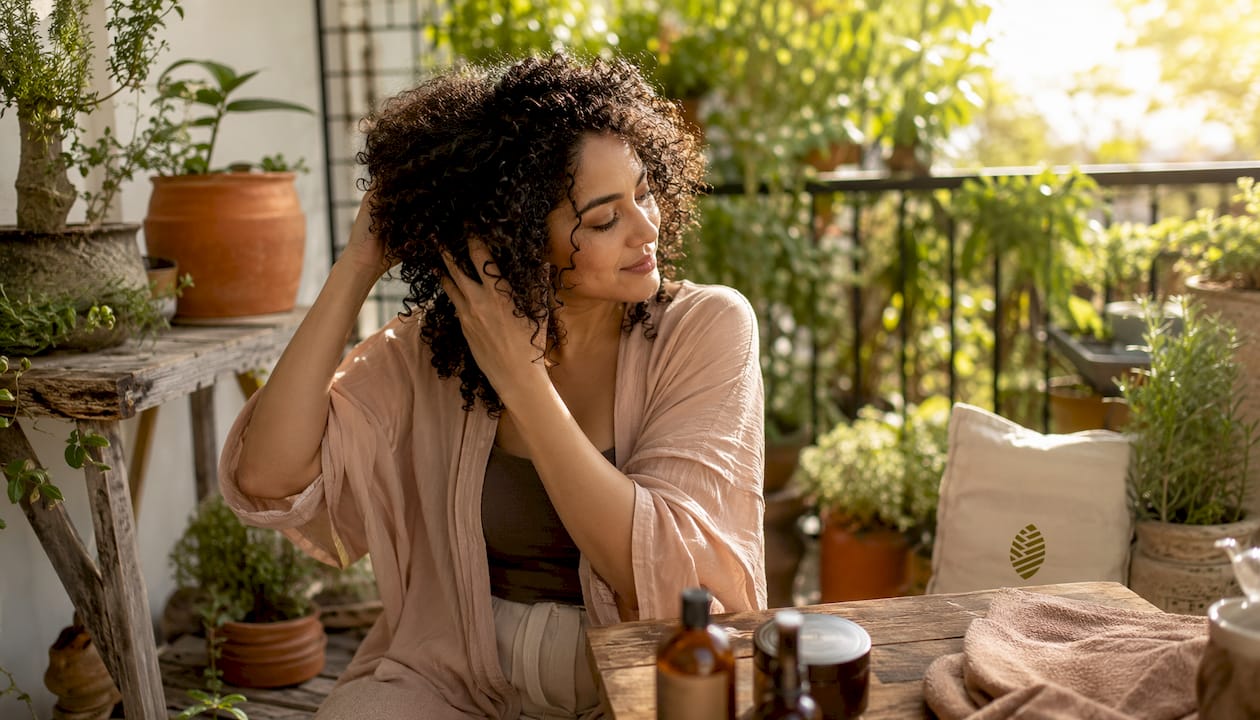

Ready to build a full scrunching routine? Browse Cocomera’s styling products for curly hair to find the right mousse, cream, or gel for your curl type.
Key Takeaways
The scrunch technique works best on wet or damp hair with the right product for your texture, and finishing with SOTC is what turns crunchy results into soft, defined curls.
| Point | Details |
|---|---|
| Scrunch on wet or damp hair | Dry scrunching causes frizz; wet scrunching builds definition and curl clumping. |
| Match product weight to texture | Fine waves need light mousses; tight curls need moisture-rich creams and serums. |
| Use microfiber or cotton to dry | These materials absorb water without the friction that disrupts curl pattern. |
| Always scrunch out the crunch | Breaking the gel cast once hair is fully dry reveals soft, bouncy curls instead of stiff ones. |
| Avoid touching hair while it dries | Hands-off drying preserves the curl cast and prevents frizz mid-process. |