TL;DR:
- Curl definition depends on proper hydration, product layering, and gentle drying techniques. Knowing your curl type and porosity allows you to choose suitable products and application methods for better results. Patience and correct technique are essential for achieving and maintaining well-defined, frizz-free curls.
Curl definition is the result of hydration, correct product layering, and technique. These tips for defining curls focus on what actually moves the needle: applying the right products to soaking wet hair, matching your choices to your curl type and porosity, and letting your hair dry without interference. Expert stylists like Erika Creston at Vamp Salon consistently point to moisture balance and application method as the two factors that separate defined, bouncy curls from frizzy, undefined ones. Get those two right, and everything else follows.
1. Tips for defining curls start with knowing your curl type
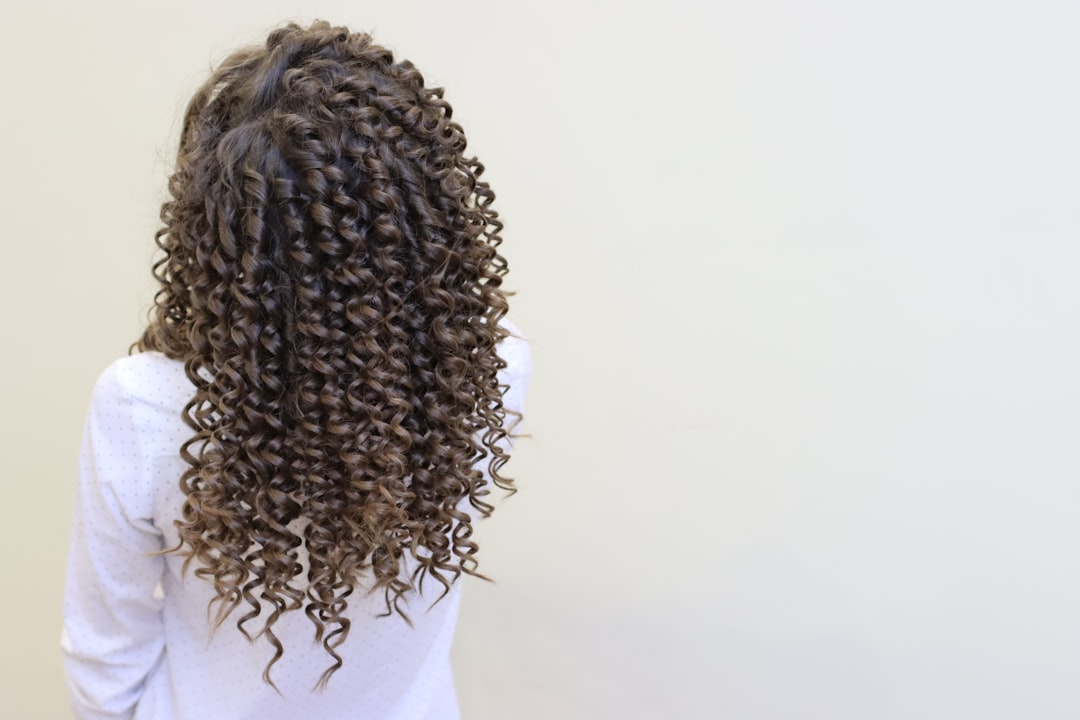
Curl typing is a system that groups hair into categories based on the shape and tightness of the curl pattern. Type 2 covers waves, Type 3 covers curls, and Type 4 covers coils. Within Type 3, the subcategories matter. Type 3A curls are loose and shiny, Type 3B curls are springy and medium-sized, and Type 3C curls are tight and densely packed.
Knowing what is curl type 3 gives you a starting framework, but it is not the whole picture. Most people have multi-textured hair with different curl patterns across their head, which means a single product or technique rarely works everywhere. Tailoring your approach by section produces better results than treating all your hair the same way.
Hair porosity matters just as much as curl type. Porosity describes how well your hair absorbs and holds moisture. Low porosity hair resists moisture but holds it once absorbed. High porosity hair absorbs quickly but loses moisture just as fast. Hydration needs differ by curl type: Type 2 waves suit lightweight mousses, Type 3 curls perform well with creams and gels, and Type 4 coils require rich butters and oils to prevent breakage.
-
Type 2 (wavy): Lightweight mousses and sprays prevent weighing down the wave pattern.
-
Type 3 (curly): Curl creams and gels deliver hold and moisture without stiffness.
-
Type 4 (coily): Rich butters and oils are non-negotiable for softness and breakage prevention.
-
Low porosity hair: Use heat (a steamer or warm water) to open the cuticle before applying products.
-
High porosity hair: Layer products and seal with an oil to lock in moisture.
2. What are the best products for curls and how to layer them?
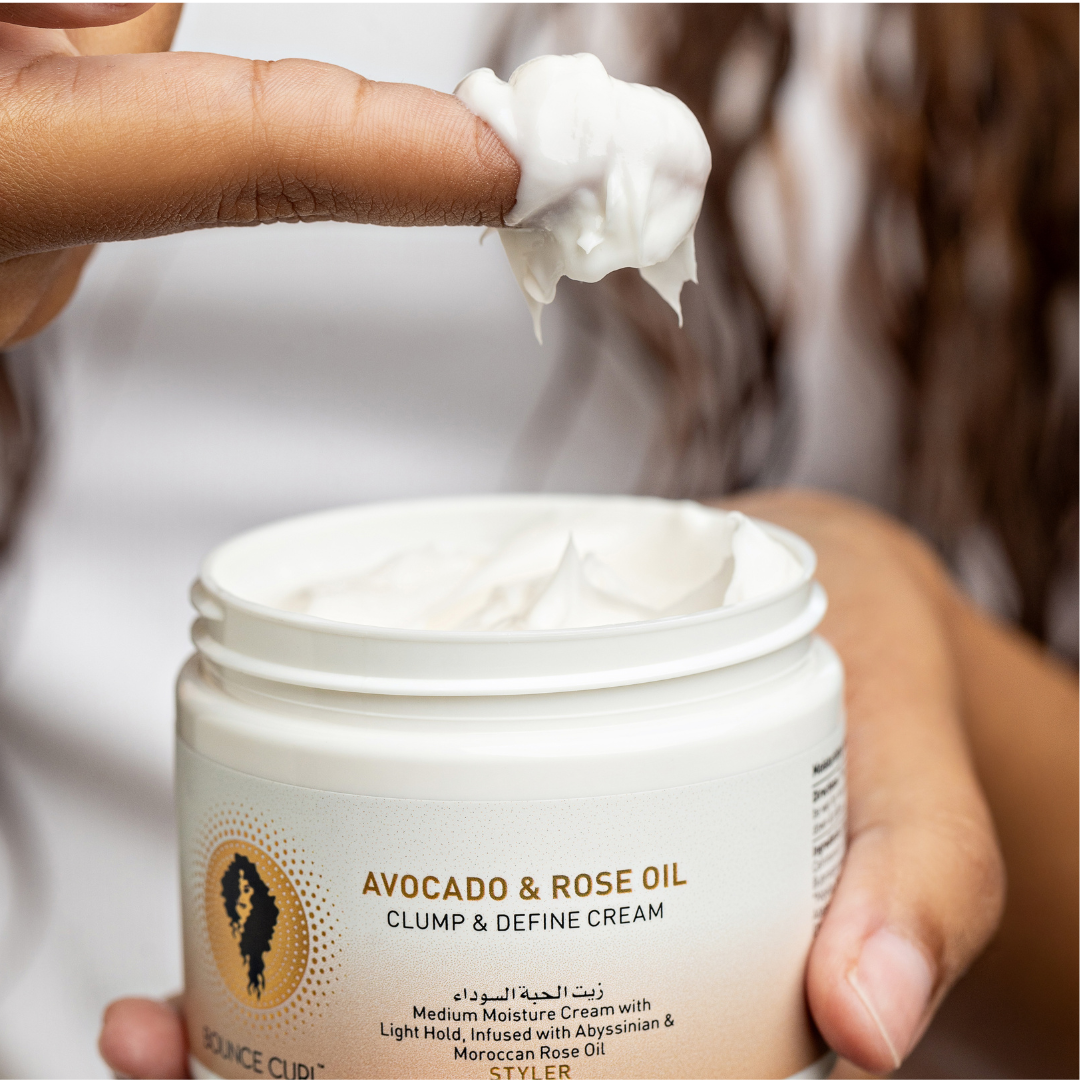
Product layering is the single most effective technique for curl definition. Layer products lightest to heaviest, starting with a leave-in conditioner, then a curl cream, then a gel. This order matters because heavy products applied first block lighter, hydrating ingredients from reaching the hair shaft.
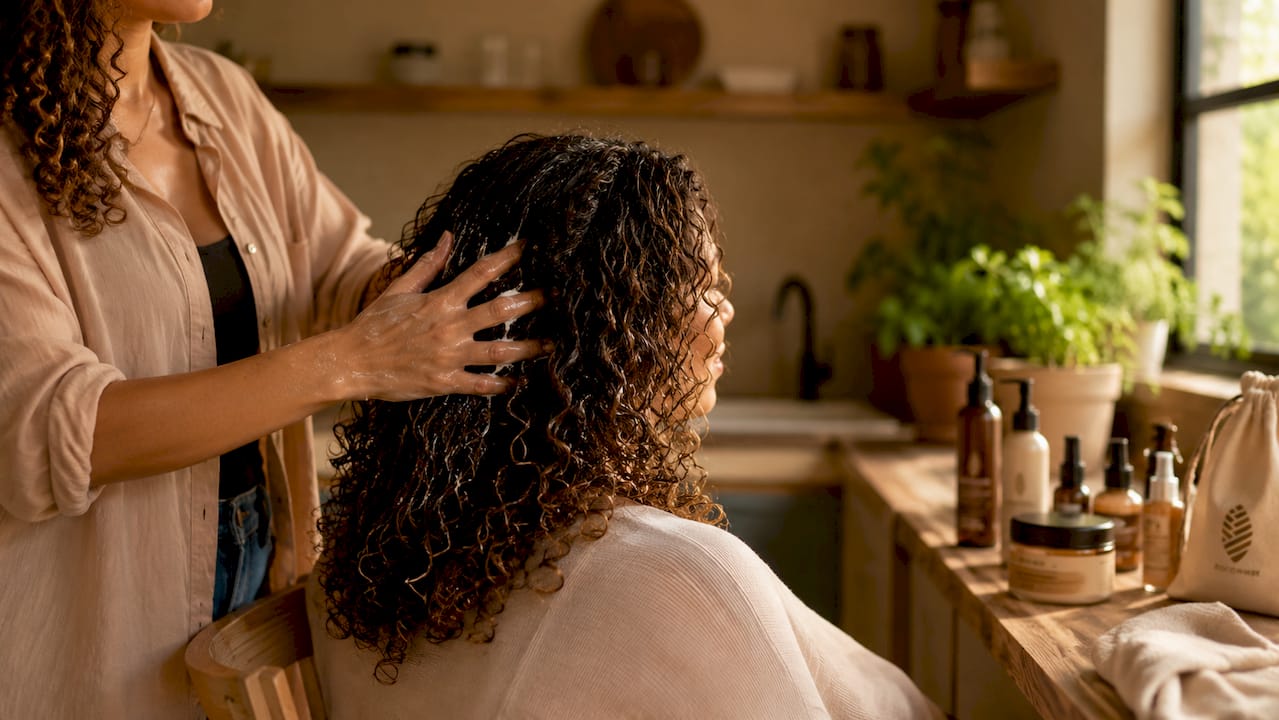
Start your wash day with a moisturizing shampoo that cleans without stripping natural oils. Follow with a conditioner, and try the “squish to condish” method: apply conditioner to soaking wet hair and squeeze it upward to push moisture deep into the hair shaft. This goes beyond surface conditioning and makes a real difference in softness and definition.
After rinsing, apply your leave-in conditioner while hair is still dripping wet. Then add your curl cream, followed by a gel for hold. Work in sections so every strand gets covered. Stylists at Vamp Salon recommend using the “praying hands” method (pressing palms together around a section of hair and smoothing downward) combined with scrunching to seal the cuticle and reduce frizz.
-
Apply leave-in conditioner to soaking wet, sectioned hair.
-
Add curl cream using the praying hands method.
-
Scrunch gel upward into each section.
-
Do not touch or disturb curls until fully dry.
-
Scrunch out the crunch once hair is 100% dry.
Pro Tip: Work with four to six sections depending on your hair density. Smaller sections mean more even product distribution and tighter curl definition.
3. How to apply products correctly for maximum definition
Application technique separates good curl days from great ones. Apply products to soaking wet hair every time. Damp or dry hair causes uneven distribution and frizz because the cuticle is not open enough to absorb product evenly.
Product amount is where most people go wrong. Stylists recommend a dime-sized amount for short hair and a quarter-sized amount for shoulder-length hair per section. Using more does not mean more definition. It means greasy, weighed-down curls that lose shape by midday.
Scrunching is the core motion for activating curl definition. Cup a section of hair in your palm and press upward toward the scalp repeatedly. This encourages the hair to coil into its natural pattern rather than hanging straight. Combine scrunching with the praying hands method for the best results on Type 3 curls.
4. Which drying techniques preserve curl shape and reduce frizz?
How you dry your hair determines whether your curls hold their shape or fall flat. Rubbing hair with a regular bath towel creates friction that breaks up the curl clump and causes frizz. Plopping with a cotton T-shirt or microfiber towel removes excess water without disrupting the curl pattern.
-
Plopping: Lay a microfiber towel or cotton T-shirt flat, flip your hair onto it, and wrap the fabric around your head for 10–20 minutes. This removes water while keeping curls coiled.
-
Diffusing: Use a diffuser attachment on low heat and low speed. Cup sections of hair in the diffuser bowl and hold until dry. Low heat keeps the curl intact and adds volume.
-
Air drying: The gentlest option. Let hair dry completely without touching it. Works best in warm, low-humidity conditions.
-
Protective styles while drying: Twist-outs and bantu knots add definition and control shrinkage while hair dries.
Diffusing on low heat is the best choice when you need speed without sacrificing definition. Air drying works well but requires patience and a hands-off approach. The key rule for any method: do not touch your curls until they are fully dry.
5. How do common mistakes damage curl definition?
Over-washing curly hair strips natural oils, causing dryness and loss of definition. Washing 2–3 times per week is ideal for most Type 3 curls. Less frequent washing preserves the moisture balance that keeps curls defined and soft.
Touching curls while they dry is the fastest way to create frizz. Every time you run your fingers through wet or damp curls, you break the curl clump and introduce frizz. Set your curls and leave them alone until they are completely dry.
Pro Tip: If your curls feel crunchy after drying, that is a good sign. The gel has formed a protective cast. Wait until hair is 100% dry, then scrunch firmly to break the cast and reveal soft, defined curls underneath.
-
Too much product: Leads to greasy, heavy curls that lose shape quickly.
-
Wrong product order: Applying gel before cream blocks moisture from reaching the hair shaft.
-
Skipping sections: Uneven application causes some curls to clump and others to frizz.
-
Touching while wet: Breaks curl clumps and introduces frizz before curls set.
-
Using a regular towel: Friction from terry cloth disrupts the curl pattern and causes frizz.
6. How do ingredients affect curl hydration and definition?
Reading ingredient labels is a skill that pays off immediately for textured hair. Water as the first ingredient signals a hydration-focused product. Many people choose products based on packaging or fragrance and miss this critical detail. A product that does not list water first is unlikely to deliver the moisture curly hair needs.
Heavy, non-water-soluble silicones (like dimethicone) coat the hair shaft and block moisture over time. They create short-term shine but cause buildup that dulls curls and makes them harder to define. Use a clarifying shampoo once or twice a month to remove silicone buildup and reset your hair.
Moisturizing oils and butters like shea butter, argan oil, and jojoba oil support softness and prevent breakage. They work best as sealants applied after water-based products, not as standalone moisturizers. Pair them with a hair oil designed for curly hair to lock in the hydration from your leave-in and cream.
| Ingredient type | Effect on curly hair | Best for |
|---|---|---|
| Water (first ingredient) | Delivers direct hydration to the hair shaft | All curl types |
| Shea butter | Seals in moisture, prevents breakage | Type 3C and Type 4 |
| Argan oil | Adds shine, reduces frizz, lightweight | Type 3A and 3B |
| Non-water-soluble silicones | Builds up over time, blocks moisture | Avoid for regular use |
| Drying alcohols (e.g., isopropyl) | Strips moisture, causes brittleness | Avoid entirely |
Checking the ingredient list before buying any product takes two minutes and prevents weeks of bad hair days. Pair ingredient awareness with your porosity knowledge and you will stop wasting money on products that do not work for your hair.
Key takeaways
Defined curls come from hydration, correct product layering, and a hands-off drying approach tailored to your curl type and porosity.
| Point | Details |
|---|---|
| Know your curl type and porosity | Match products to your specific pattern and absorption level for real results. |
| Layer products lightest to heaviest | Apply leave-in, then cream, then gel on soaking wet hair every time. |
| Use correct product amounts | A dime to quarter-sized amount per section prevents greasy, weighed-down curls. |
| Dry without touching | Plopping or diffusing on low heat preserves curl shape and minimizes frizz. |
| Read ingredient labels | Water as the first ingredient confirms a product will actually hydrate your hair. |
What Cocomera has learned about defining curls
The biggest misconception we see is that curl definition is about finding the right product. It is not. Technique comes first. We have watched people spend a lot on premium creams and gels and still end up with frizzy, undefined hair because they applied products to damp hair, used too much, or touched their curls before they dried. The product matters, but it cannot fix a broken application process.
The second thing we have noticed is that routines need to change with the seasons. What works in a dry Swedish winter will not work in a humid summer. High humidity calls for stronger hold gels and frizz control techniques that seal the cuticle tightly. Dry, cold air calls for heavier creams and more frequent deep conditioning. Treating your routine as fixed is one of the most common reasons people plateau.
Patience is the part nobody wants to hear. Letting curls dry completely before touching them, waiting for the crunch to fully set before scrunching it out, giving a new product four to six wash days before judging it. These are the habits that separate people who love their curls from people who fight them every morning.
— Cocomera
Cocomera’s curl styling collection
Finding the right products for your curl type should not take months of trial and error.
Cocomera curates styling products for curly hair specifically selected for Type 2, 3, and 4 patterns, including creams, gels, and oils that work with the layering method described here. If your hair needs deeper repair alongside definition, the hair treatments collection covers masks and treatments formulated for textured hair. Every product on the site is chosen with ingredient quality and curl type compatibility in mind, so you spend less time guessing and more time with curls you actually like.
FAQ
What is the best way to define natural curls?
Apply products to soaking wet hair in layers: leave-in conditioner first, then curl cream, then gel. Scrunch upward and let hair dry completely without touching it.
How do I define type 3 curls without frizz?
Use the praying hands method combined with scrunching to seal the cuticle, and dry with a microfiber towel or diffuser on low heat. Avoid touching curls until they are 100% dry.
How often should I wash type 3 curly hair?
Washing 2–3 times per week is ideal for most Type 3 curls. Over-washing strips natural oils and causes dryness that breaks down curl definition.
Why are my curls crunchy after styling?
Crunch after drying is a protective cast formed by gel. Wait until hair is fully dry, then scrunch firmly to break the cast and reveal soft, defined curls.
Does hair porosity matter more than curl type for product selection?
Yes. Hair porosity plays a bigger role than curl type alone in determining which products will actually absorb and retain moisture in your hair.