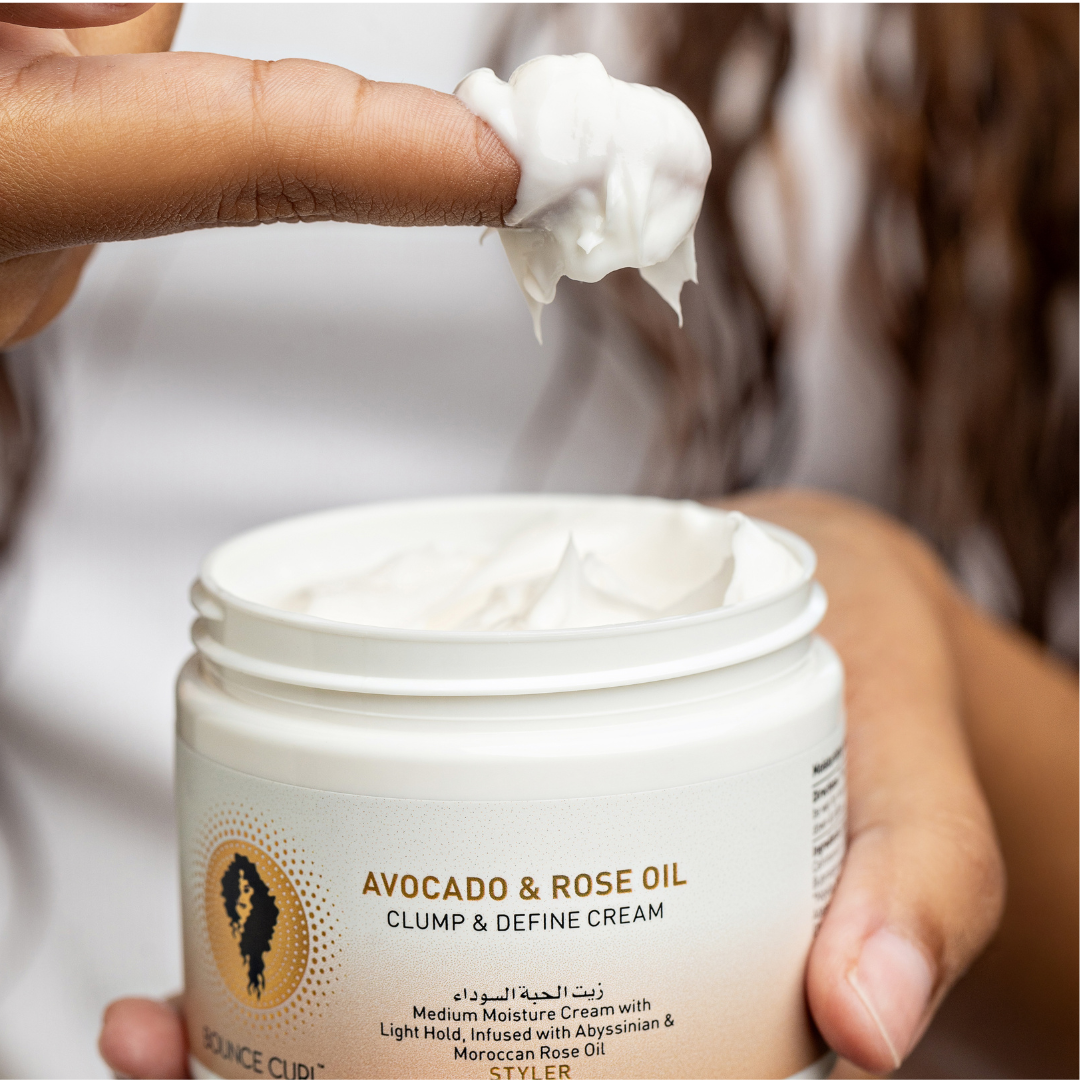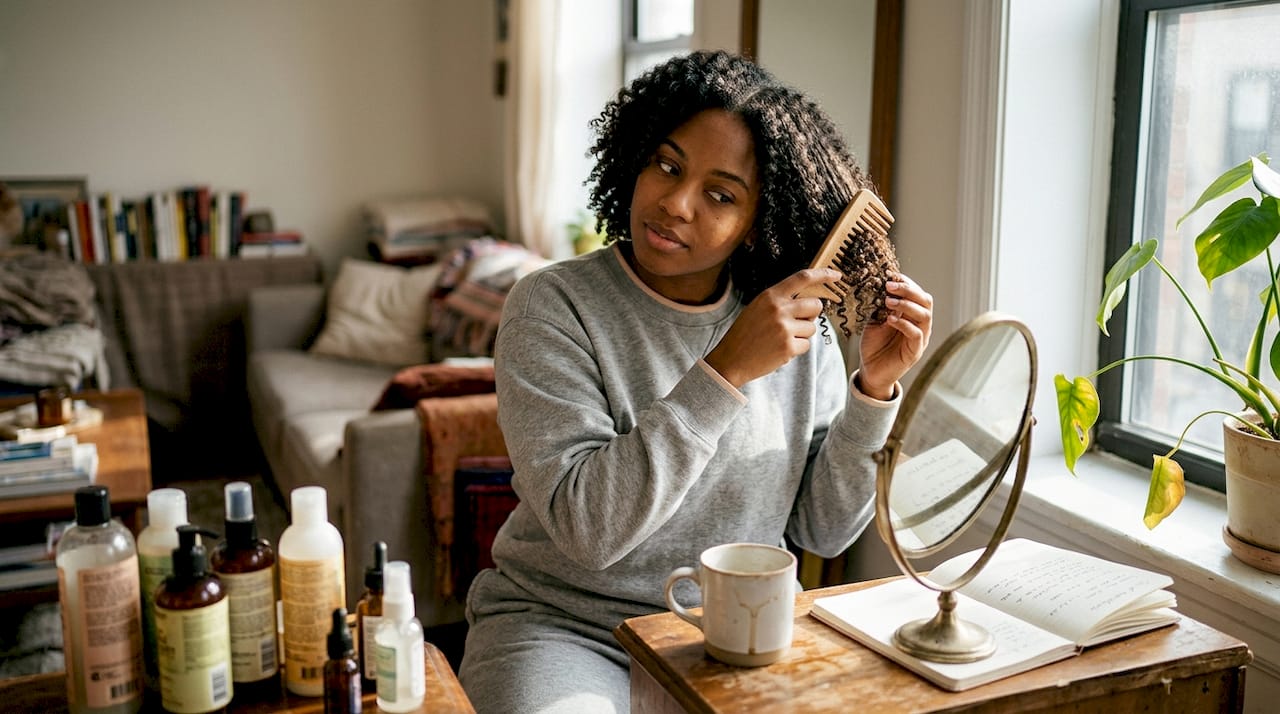
Styling afro hair with curl types 3 and 4 can feel overwhelming when you’re faced with shrinkage, dryness, and tangling. Many women in Europe with textured hair struggle to find a routine that keeps curls defined and healthy without causing breakage. This guide walks you through practical, step-by-step styling methods tailored specifically for your curl type, complete with product recommendations that work. You’ll learn how to prepare, style, and maintain your curls for long-lasting results that celebrate your natural texture.
Table of Contents
- Understanding Your Afro Hair: Curl Types 3 And 4
- Essential Preparation And Tools For Afro Hair Styling
- Step-By-Step Afro Hair Styling Methods For Defined Curls
- Common Mistakes And How To Maintain Styled Afro Hair
- Explore Top Afro Hair Care Products At Cocomera
- FAQ
Key takeaways
| Point | Details |
|---|---|
| Proper preparation matters | Cleansing, detangling, and moisturizing before styling prevents breakage and sets the foundation for defined curls. |
| Curl types 3 and 4 need targeted care | These textures require specific products and techniques to address dryness, shrinkage, and porosity challenges. |
| Styling method impacts results | Applying products in sections with the right tools enhances curl definition and reduces frizz throughout the day. |
| Maintenance extends style longevity | Protecting hair overnight and refreshing curls properly keeps your style looking fresh while minimizing damage. |
| Avoid common mistakes | Over-manipulation, harsh products, and excessive heat can undo your styling efforts and harm hair health. |
Understanding your afro hair: curl types 3 and 4
Your curl pattern determines everything from how you prep to which products work best. Type 3 curls form loose to tight spirals with more defined S-shapes, while type 4 curls range from tight coils to zigzag patterns with significant shrinkage. Both types share common challenges but require slightly different approaches.
Dryness tops the list of concerns for textured hair. Curl types 3 and 4 differ in texture, porosity, and moisture needs, which directly influences how you style. Type 4 hair especially tends toward low porosity, meaning the cuticle layer lies flat and makes it harder for moisture to penetrate. This creates a cycle where your hair feels dry even after moisturizing.
Shrinkage can reduce your hair’s apparent length by 50 to 75 percent, which is completely normal but frustrating when you want to show length. Tangling happens easily because the coils wrap around each other, leading to knots that cause breakage if handled roughly. Understanding these characteristics helps you choose the right hair breakage prevention tips and products.
Key needs for styling types 3 and 4 include:
- Deep moisture retention through leave-in conditioners and creams
- Gentle detangling tools that don’t snap or pull strands
- Products that define curls without weighing them down or creating buildup
- Protection from environmental stressors and mechanical damage
Pro Tip: Test your porosity by placing a clean strand of hair in water. If it sinks quickly, you have high porosity and need heavier moisturizers. If it floats, you have low porosity and should use lighter products with heat to help absorption.
Essential preparation and tools for afro hair styling
Preparation determines whether your styling efforts succeed or fall flat. Starting with clean, moisturized hair creates the canvas for defined, healthy curls. Skipping this phase often leads to product buildup, uneven curl definition, and premature style failure.
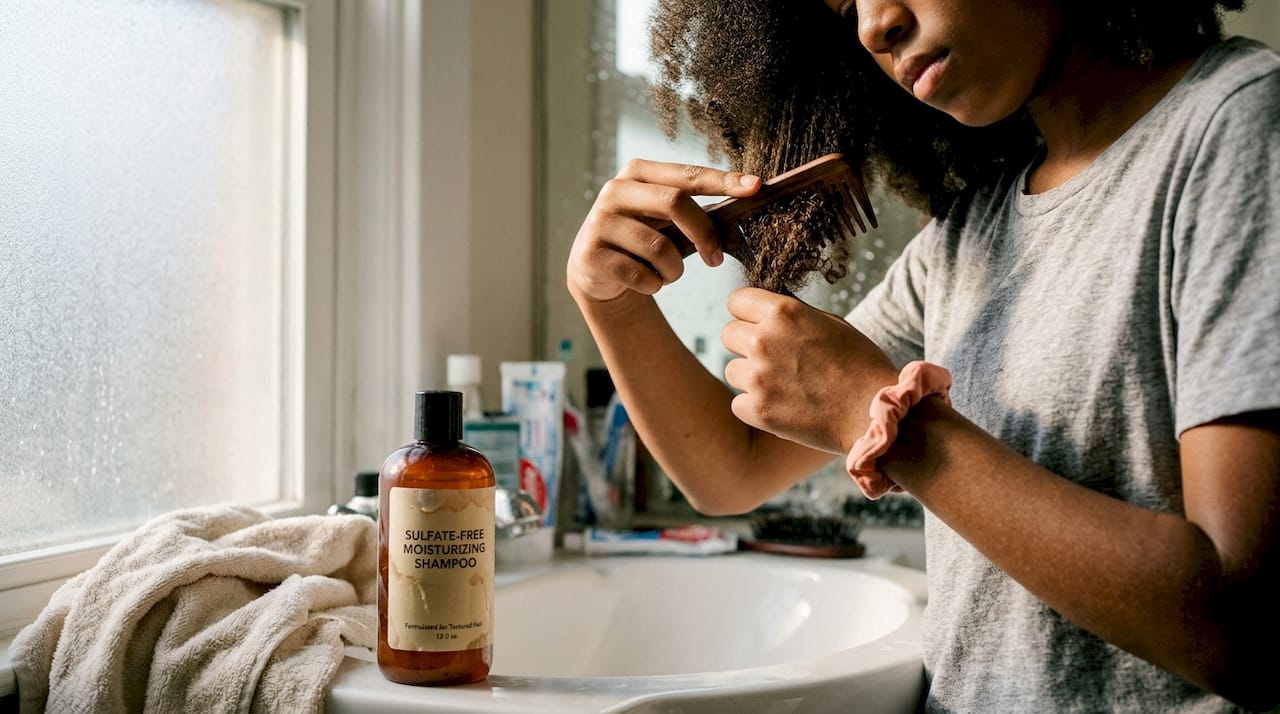
Follow these cleansing and moisturizing steps:
- Wet your hair thoroughly with warm water to open the cuticle
- Apply a sulfate-free shampoo focusing on your scalp, not the length
- Rinse completely and follow with a hydrating conditioner from mid-length to ends
- Detangle gently while the conditioner sits for 3 to 5 minutes
- Rinse with cool water to seal the cuticle and lock in moisture
Using gentle cleansers and proper detangling methods makes the difference between healthy curls and damaged strands. Never detangle dry type 4 hair, as this causes immediate breakage. Always work with damp hair saturated with a leave-in conditioner and detangler or a detangling moisturizer that provides slip.
Essential tools for preparation:
- Wide-tooth comb or detangling brush with flexible bristles
- Spray bottle filled with water and leave-in conditioner mix
- Microfiber towel or cotton t-shirt for drying without frizz
- Sectioning clips to divide hair into manageable parts
| Preparation Step | Recommended Product Type | Purpose |
|---|---|---|
| Cleansing | Sulfate-free shampoo | Removes buildup without stripping natural oils |
| Conditioning | Deep conditioner | Restores moisture and softens strands |
| Detangling | Leave-in with slip | Reduces friction and prevents breakage |
| Moisturizing | Cream or butter | Seals in hydration before styling |
Pro Tip: Section your hair into four to six parts before detangling. Work from ends to roots in each section, holding the hair above where you’re combing to prevent tension on your scalp.
Common preparation mistakes include rushing through detangling, using products with drying alcohols, and towel-drying roughly. These habits create frizz and damage that no styling technique can fix. Take your time during prep, as this investment pays off with smoother styling and better results.
Step-by-step afro hair styling methods for defined curls
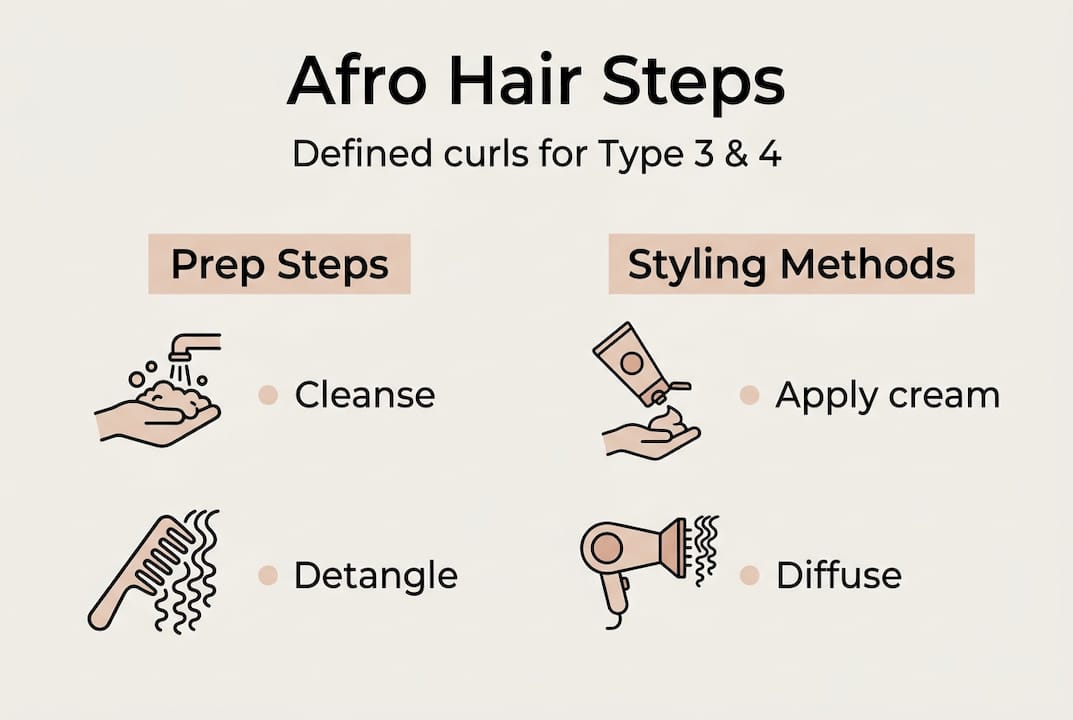
Now that your hair is prepped, follow these styling steps to achieve defined, bouncy curls that last. The key lies in applying products evenly and using techniques that encourage your natural curl pattern.
Detailed styling process:
- Start with damp, not soaking wet hair, blotted gently with a microfiber towel
- Apply a leave-in conditioner and detangler throughout, focusing on ends
- Divide hair into four to eight sections depending on thickness
- Take small subsections and apply your curl definition cream and gel using the praying hands method
- Rake through gently with fingers or a wide-tooth comb to distribute product
- Use the shingling technique by smoothing product down each curl clump
- Scrunch upward to encourage curl formation and remove excess water
- Air dry or use a diffuser on low heat and speed to minimize frizz
Proper application of curl creams and gels helps your curls stay defined while maintaining moisture. The praying hands method involves sandwiching hair between your palms and smoothing downward, which aligns the cuticle and reduces frizz. Shingling takes more time but delivers the most defined results by coating each curl individually.
| Product Type | Best For | Application Method |
|---|---|---|
| Curl cream | Moisture and soft definition | Apply to damp hair, rake through |
| Styling gel | Strong hold and frizz control | Layer over cream, scrunch upward |
| Cream-gel hybrid | Balanced moisture and hold | Use alone or with light gel |
Choosing between curl creams and gels depends on your desired outcome. Creams provide softer, more touchable curls with moderate hold, perfect for everyday styles. Gels like styling gel with black castor oil offer maximum definition and hold, ideal for styles you want to last several days. Many people layer both, applying cream first for moisture and gel second for hold.
Protective styling ideas:
- Twist-outs using two-strand twists on damp hair
- Braid-outs with medium to large braids for stretched curls
- Bantu knots for tight, defined coils
- Pineapple updo to preserve curls overnight
Pro Tip: The LOC method (liquid, oil, cream) or LCO method (liquid, cream, oil) helps seal in moisture. Experiment to see which order works best for your porosity level and climate.
Diffusing requires patience and technique. Hold the diffuser at least six inches from your head, use low heat, and cup sections of hair into the diffuser bowl. Avoid touching your hair too much during drying, as this disrupts curl formation and creates frizz.
Common mistakes and how to maintain styled afro hair
Even perfect styling can fail if you make these common errors or neglect maintenance. Understanding what to avoid protects your hair health and extends your style’s lifespan.
Frequent styling mistakes:
- Using too much product, which weighs down curls and creates buildup
- Applying products to soaking wet hair, diluting effectiveness
- Skipping the scrunching step, leaving curls limp and undefined
- Touching hair constantly while it dries, causing frizz
- Using high heat without protection, leading to damage
Avoiding over-manipulation and harsh products keeps your curls healthy between styling sessions. Over-manipulation includes excessive combing, constant touching, and restyling too frequently. Your hair needs rest periods where you protect it rather than actively styling.
Maintenance routines make your style last three to five days:
- Sleep on a satin or silk pillowcase to reduce friction
- Use a satin bonnet or scarf to protect curls overnight
- Refresh in the morning with a water-and-leave-in spray
- Scrunch gently to reactivate products and revive curl shape
- Avoid washing too frequently, which strips natural oils
The pineapple method works well for preserving curls. Gather your hair loosely at the crown using a satin scrunchie before bed. This keeps curls from flattening against your pillow while you sleep. In the morning, release the pineapple and fluff gently at the roots.
Healthy curls start with gentle handling and consistent moisture. Treat your hair like the delicate fiber it is, not like something that needs to be tamed or controlled.
Refreshing curls between wash days requires minimal effort. Mix water with a small amount of leave-in conditioner in a spray bottle. Lightly mist sections that look frizzy or flat, then scrunch upward. You can also apply a tiny amount of gel to your palms, rub them together, and smooth over frizzy areas without disturbing the curl pattern.
Protect your hair from environmental damage by wearing protective styles when needed. Check out prevent hair breakage tips for more strategies. Wind, sun, and cold weather all affect moisture levels, so adjust your routine seasonally.
Pro Tip: If your gel creates a crunchy cast, scrunch it out once hair is completely dry. This technique, called scrunching out the crunch, leaves you with soft, defined curls that still hold their shape.
Explore top afro hair care products at Cocomera
Finding the right products transforms your styling routine from frustrating to effortless. Cocomera curates quality hair care specifically for textured hair types, making it easier to discover what works for your curls. The curl cream and gel bundle combines moisture and hold in one convenient package, perfect for achieving the defined curls you want.
Explore specialized formulations like the leave-in conditioner and detangler that simplifies your prep routine. These products are designed for European women with types 3 and 4 curls who need reliable solutions without endless trial and error. Visit Cocomera to browse the full collection of styling creams, gels, and accessories that support your natural texture journey.
FAQ
How often should I moisturize my afro hair during styling?
Moisturize your hair daily or whenever it feels dry to the touch. Type 4 hair especially loses moisture quickly, so keeping a spray bottle with water and leave-in conditioner handy helps you refresh throughout the day. During the styling process itself, apply moisturizing products to damp hair for best absorption.
What is the best way to detangle 3 and 4 curl hair?
Always detangle on damp hair saturated with a hydrating leave-in conditioner and detangler. Use a wide-tooth comb or your fingers, working in small sections from ends to roots. Hold the hair above where you’re detangling to avoid pulling on your scalp. Never force through knots, instead add more product and work patiently.
Can I use heat tools on afro hair without damage?
Yes, but use them sparingly and always with a heat protectant. Keep temperatures below 350°F and limit heat styling to once or twice monthly. Air drying or diffusing on low heat protects your curl pattern better than direct heat from flat irons or blow dryers. When you do use heat, ensure hair is completely moisturized first.
How long should a wash and go style last?
A properly executed wash and go can last three to five days with proper maintenance. Sleep with a satin bonnet or on a silk pillowcase, and refresh curls each morning with a light water spray. The longevity depends on your products, hair porosity, and how well you protect your style overnight.
Why do my curls look frizzy even after styling?
Frizz usually results from insufficient moisture, touching hair while drying, or humidity. Make sure you’re applying enough product to damp hair and not disturbing curls during the drying process. Using a gel with strong hold helps seal the cuticle and prevent moisture from escaping. Also check that your products don’t contain drying alcohols.
Recommended
- The Ultimate Curly Hair Routine – Cocomera
- As I Am Curling Jelly coil and Curl Definer 227g – Cocomera
- https://cocomera.se – Cocomera
- As I Am Born Curly Argan Leave-in Conditioner and Detangler 240ml-Cocomera