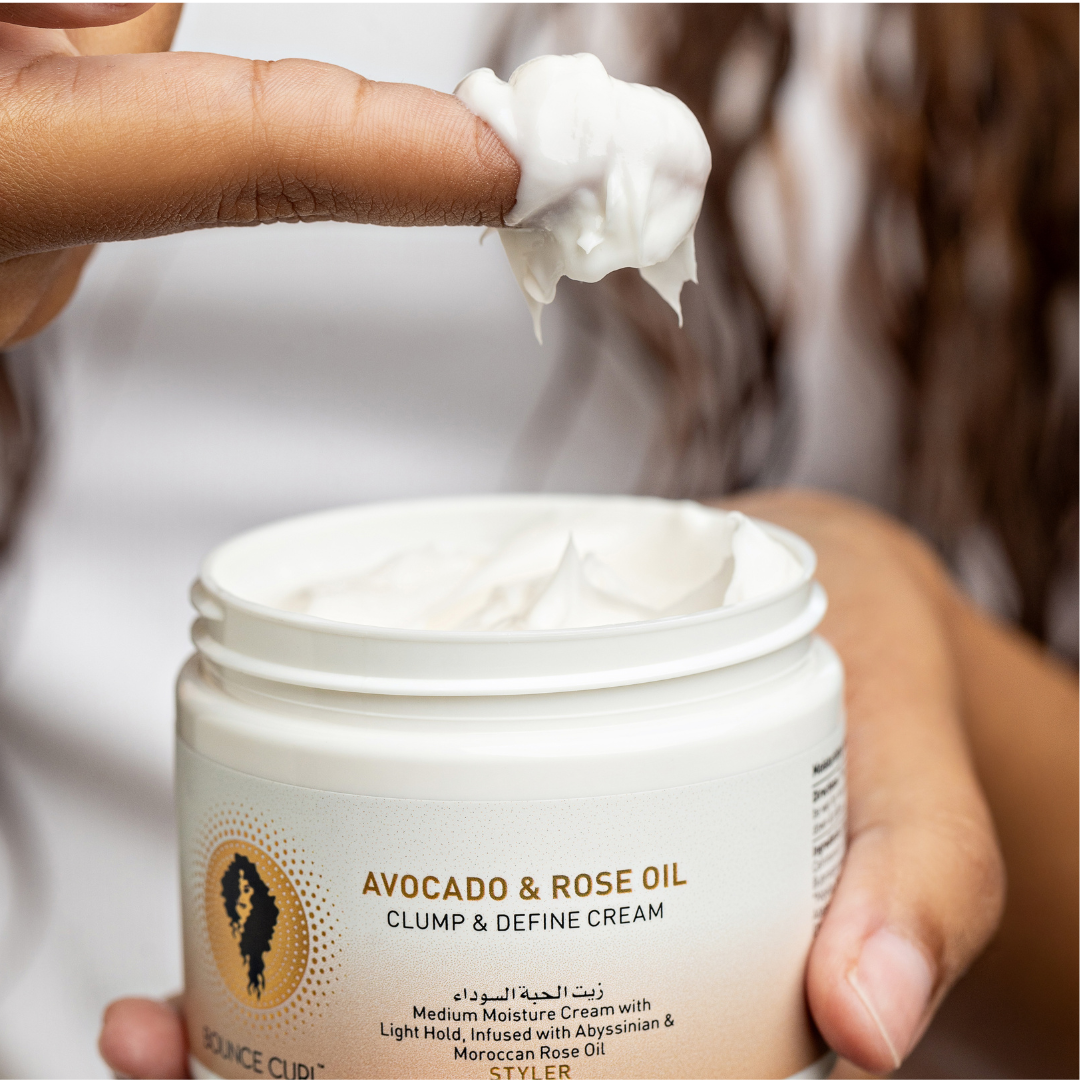
Living with afro hair in Europe means dealing with a very specific kind of frustration. Your hair soaks up moisture in the morning and feels bone dry by afternoon. You try product after product, layer after layer, and still fight shrinkage, breakage, and that tight, thirsty feeling that never quite goes away. The problem usually isn’t the products themselves. It’s that most moisturizing advice was written for a different climate, a different water supply, and often a different hair type than yours. This guide cuts through the noise with practical, tested methods and honest product guidance built around the realities of textured hair in Europe.
Table of Contents
-
How to know it’s working: Signs of well-moisturized afro hair
-
Our perspective: Why most moisturizing advice misses the European reality
Key Takeaways
| Point | Details |
|---|---|
| Porosity dictates routines | Knowing your hair porosity helps you choose the right moisturizing method and products. |
| Layer for long-lasting moisture | Use water-based hydrators first, then seal with oil and cream to lock in moisture. |
| European water changes everything | Hard water in Europe makes regular clarifying and chelating shampoo essential for afro hair. |
| Product choice matters | Select products proven effective in European climates and suited for your unique texture. |
| Results come with consistency | Visible improvements in softness, shine, and manageability appear with regular, correct routines. |
Understanding what your afro hair needs
Before diving into products and methods, it’s essential to understand what makes afro hair different and how its needs shape every step of your routine.
Afro hair grows in tight coils, which means the natural oils produced by your scalp have a much harder time traveling down the hair shaft compared to straight hair. The result? Chronically dry strands, especially at the ends. Add European hard water, central heating in winter, and cold, low-humidity air, and you have a recipe for persistent dryness that no single product can fix on its own.
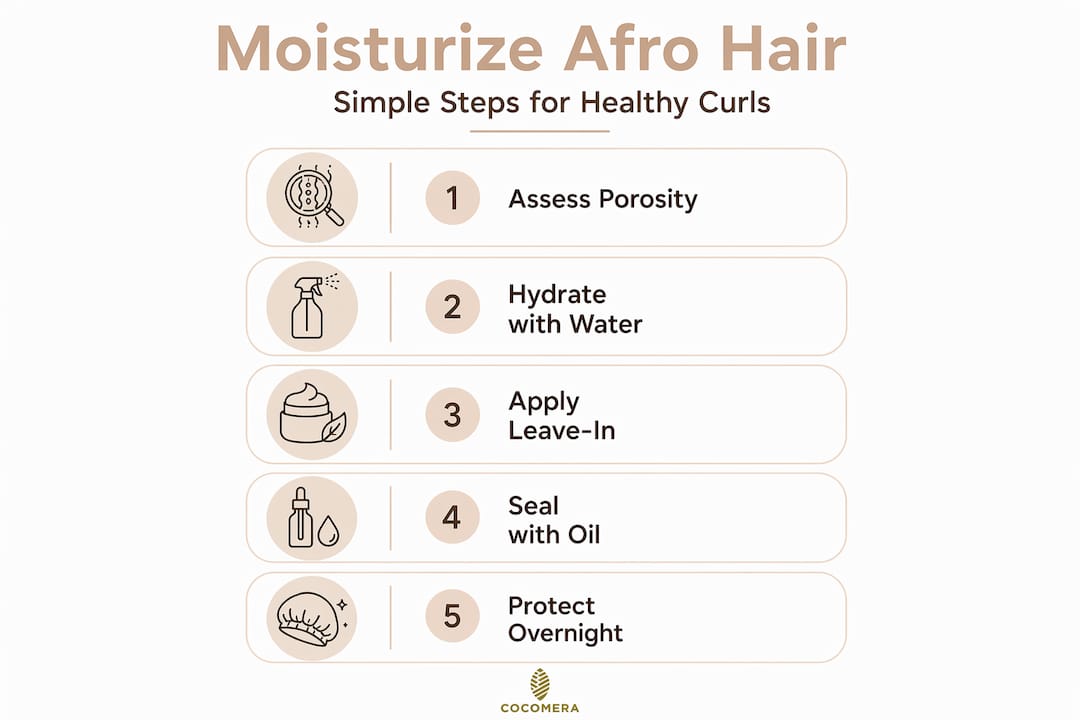
Porosity is one of the most important factors in building a moisture routine that actually works. It describes how easily your hair absorbs and holds onto water and products.
A quick way to test hair porosity: drop a strand of clean, product-free hair into a glass of water. If it sinks quickly, you likely have high porosity. If it floats for a long time, you probably have low porosity. Medium porosity sinks slowly.
| Porosity type | Characteristics | Best initial approach |
|---|---|---|
| Low porosity | Repels water, products sit on top | Use heat to open cuticles; lightweight products |
| Medium porosity | Absorbs and retains moisture well | Most methods work; maintain with regular conditioning |
| High porosity | Absorbs fast, loses moisture fast | Heavy sealants; protein and moisture balance |
Once you know your porosity, you can choose between the two most popular layering methods for moisturizing routines for afro hair. The LOC method stands for Liquid, Oil, Cream and is the core methodology for hydrating and sealing moisture into afro hair. The LCO method simply swaps the last two steps. According to research on LOC vs LCO, LOC works better for high-porosity type 4C hair prone to dryness, while LCO suits low-porosity or finer hair to avoid weighing it down.
Understanding the best ingredients for afro hair before you shop will save you a lot of time and money.
Essential tools, products, and ingredients
With an understanding of porosity and hair needs, you can now select the right products and tools that suit your hair’s unique structure and the European climate.
Must-have tools:
-
Wide-tooth comb for detangling without breakage :Cocomera Detangling Brush
-
Spray bottle for applying water or diluted leave-in
-
Satin scarf or bonnet for overnight protection
-
Hooded dryer or heat cap for deep conditioning
-
Microfiber towel to reduce friction and frizz after washing
Getting the tools right matters as much as the products. A cotton pillowcase, for example, will wick moisture from your hair overnight faster than European air ever could. Switching to satin is one of the quickest wins you can make.
Key ingredients to look for:
According to expert guidance on afro hair care, the essential moisturizing ingredients are shea butter, aloe vera, glycerin, coconut oil, argan oil, and honey. A critical point: oils seal moisture in but do not add moisture on their own. Always apply water or a water-based product first.
-
Shea butter: Rich and deeply nourishing. Best for thick, coarse hair. Great as the “C” in LOC.
-
Aloe vera: Light, water-based, soothing. Works as the liquid step or leave-in base.
-
Glycerin: A humectant that draws moisture from the air. Effective in humid European seasons, less so in very dry winter air.
-
Coconut oil: Penetrates the hair shaft. Good for pre-poo treatments and sealing.
-
Argan oil: Lightweight and smoothing. Better suited for finer textures or as a finishing oil.
-
Honey: A humectant with conditioning properties. Works well blended into DIY masks.
| Product type | Best for | European availability |
|---|---|---|
| Shea Moisture Coconut & Hibiscus Curl & Style Milk | Thick, curly, coily hair; curl definition | Widely available; positive reviews for thick curly hair |
| Curlsmith conditioners | Lightweight moisture; volume-boosting | Available in EU and UK |
| Afrocenchix Sheen Spray | Quick refresh; UK-formulated | UK-based; ships across Europe |
| Afrocenchix Smooth Cream | Leave-in moisture; climate-adapted | UK-formulated; good for European conditions |
| Argan-based finishing oils | Finer textures; shine without weight | Broadly available across Europe |
You can explore hydrating hair ingredients in more detail before building your shopping list. For product advice for European curls, it’s worth checking resources tailored to climate and water conditions. You can also browse a curated selection of top conditioners for textured hair to start comparing options.
For reference on moisturizing hair creams, look for formulas that list water as the first ingredient and include at least one oil and one butter.
Pro Tip: Always patch test new products, especially heavier creams. Some thick formulas that work beautifully on coarse 4C hair can overwhelm finer strands and leave them limp or greasy within hours.
Step-by-step: Moisturizing methods that work
Once you have your products ready, it’s time to bring your hydration routine to life with proven, step-by-step methods.
The LOC method (best for high porosity, type 3C-4C hair):
-
Start with freshly washed or dampened hair. Wet hair is the most receptive to product absorption.
-
Apply your liquid step: water, aloe vera juice, or a water-based leave-in conditioner. Work section by section.
-
Follow immediately with your oil. Coconut or jojoba oil work well here. Apply while the hair is still wet.
-
Finish with your cream or butter to seal everything in. Shea-based creams are ideal for this final step.
-
Style as desired and let air dry or diffuse.
The LCO method (best for low porosity, type 2C-3B hair):
-
Dampen hair thoroughly with water or a water and aloe mix.
-
Apply your leave-in conditioner and work it through with your fingers or a wide-tooth combCocomera Detangling Brush.
-
Layer your cream on top while the leave-in is still present. This helps lock in hydration under the cream barrier.
-
Seal with a very light oil. Argan or grapeseed oil are great choices to avoid buildup.
-
Diffuse or air dry.
Heat doubles absorption, which is why deep conditioning under a heat cap is so effective, particularly for low-porosity hair that resists product penetration. This is not a minor upgrade. It’s a genuinely significant shift in how deeply your products work.
For European routines, porosity tips and European hair care recommend moisturizing 2-3 times per week and protecting hair at night with satin to prevent the moisture loss that cold, dry air accelerates indoors.
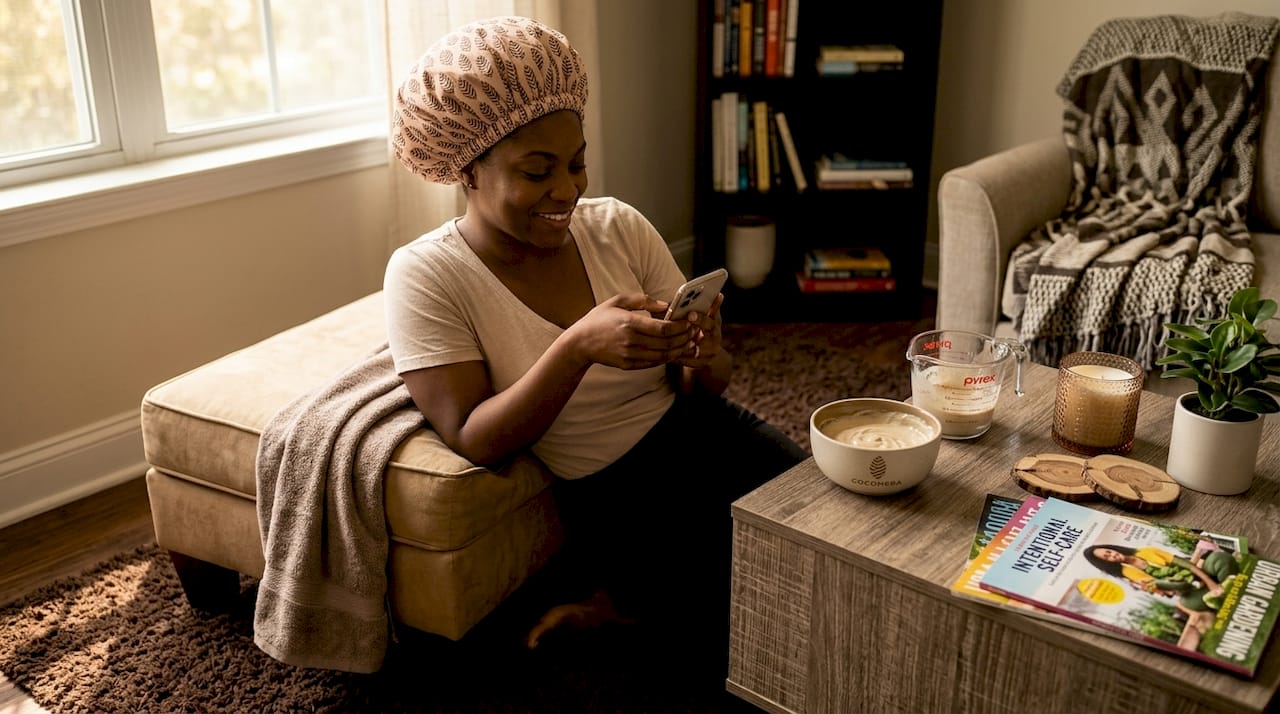
Pro Tip: Invest in a heat cap or steam cap and use it during your deep conditioning treatment every wash day. Even 20 minutes under heat can be the difference between soft, springy curls and hair that still feels stiff after styling.
For a complete breakdown of step-by-step styling for 3 and 4 curls, including twist-outs and wash-and-go methods, there are guides built specifically for these curl types. And if you’re dealing with hard water residue, switching to clarifying shampoos designed for textured hair is a smart first move. Regular clarifying is not optional in most European cities. It’s essential maintenance.
Building your full LOC/LCO routines for afro hair around your porosity type is the single biggest factor in whether a routine succeeds or stalls.
Common mistakes and troubleshooting
Even with the right technique, small missteps can undermine all your hard work, so learning from common pitfalls will save time and frustration.
Top mistakes that sabotage afro hair moisture:
-
Skipping the water-based step and going straight to oils or creams
-
Overusing heavy oils, which can block the scalp and create buildup without moisturizing
-
Not clarifying regularly, especially in hard water areas across Europe
-
Ignoring night protection and sleeping on cotton pillowcases
-
Using the same products in winter and summer without adjusting for humidity changes
-
Refreshing dry hair with oil instead of water first
“Chelating shampoo is essential in Europe to avoid blocked moisture.”
This is not an exaggeration. Hard water requires chelating washes to prevent mineral buildup that physically blocks moisture from penetrating the hair shaft. Mineral deposits coat the cuticle and no amount of leave-in conditioner can push through that barrier. Use a chelating or clarifying shampoo at least once a month, more often if your water is particularly hard.
It’s also worth recognizing that not every product works for every texture. Some users find that Shea Moisture can be too heavy for refreshes or for finer strands, making it better suited to thick, coarse hair types. If your roots feel limp or weighed down, switch to a lighter leave-in or dilute your cream with water in a spray bottle.
Troubleshooting common problems:
-
Hair feels wet but still dry: You may be applying too much oil before the water is absorbed. Slow down between steps.
-
Buildup at roots: Clarify more frequently and reduce the amount of oil in your routine.
-
Curls losing definition by midday: Add a light gel or mousse over your LCO steps to lock in structure.
-
Fine hair going limp: Skip heavy butters; use a water-based leave-in and a finishing oil only.
For a deeper look into the importance of hair moisture, especially why consistent hydration prevents breakage, it’s worth spending time understanding the science behind it. Further guidance on moisture retention for afro hair can help you refine your approach over time.
How to know it’s working: Signs of well-moisturized afro hair
After establishing your routine and avoiding the most frequent mistakes, it’s important to know how to spot real progress and when to make further adjustments.
Signs that your moisture routine is actually working:
-
Curls feel soft, springy, and defined without feeling crunchy or stiff
-
Minimal breakage when detangling, even on wet hair
-
Hair stretches before it breaks rather than snapping immediately
-
Easier detangling sessions with less shedding
-
A healthy sheen that doesn’t look or feel greasy
-
Scalp feels balanced, not flaky or overly oily
-
Less shrinkage, or more controlled, predictable shrinkage
Consistency brings visible results, and products rated highly for moisture retention and curl definition, like Shea Moisture with a 4.3 out of 5, reflect what sustained routines can achieve. Give any new routine at least 3 to 4 weeks before drawing conclusions.
If hair still feels dry after two to three weeks of consistent effort, revisit your porosity assessment, check whether you’re clarifying frequently enough, and examine whether your products are actually water-based or primarily oil-based. Also consider whether your night routine is protecting the moisture you build during the day.
For more on signs of great moisturizing and what fully hydrated afro hair looks and feels like, the details matter more than most people realize when they’re first building a routine.
Our perspective: Why most moisturizing advice misses the European reality
Most moisturizing guides for afro hair were created in the US or written for a broad international audience that treats all environments as interchangeable. They are not. The advice to “just add more moisture” completely ignores the single biggest obstacle for afro hair care in Europe: hard water.
Hard water is the rule, not the exception, across most of continental Europe and the UK. The mineral deposits it leaves on your hair shaft are invisible but devastating to any moisture routine. You can layer the best products in the perfect order and still end up with dry, dull, unresponsive hair because the minerals are physically blocking absorption. No LOC method fixes this. Only a chelating shampoo does.
European climate adds another layer of complexity. Heated indoor air in winter is extremely drying. Cold outdoor air in autumn and spring drops humidity and causes rapid moisture evaporation. Summer can bring humidity that makes glycerin-heavy products feel sticky and overwhelming. This means your routine should shift with the seasons, something most US-centered guides never mention because their climate patterns are different.
Product availability is another overlooked issue. Many beloved American natural hair brands either don’t ship to Europe, arrive with long delays, or cost significantly more by the time shipping and import fees are added. Adapting your routine to use what’s reliably available and affordable in your country, whether that’s Sweden, Germany, France, or the Netherlands, is a practical skill that transforms your routine from aspirational to functional.
The most useful thing we’ve learned from working with women who have textured hair across Europe is this: stop chasing routines built for a different environment. Adapting hair care for European climates is not a workaround. It’s the actual strategy.
Pro Tip: Don’t just copy routines from American or UK creators without asking whether your water, your climate, and your product access match theirs. Small adaptations make an enormous difference in real results.
Find your ideal afro hair moisturizing solution
With your new knowledge, accessing proven, climate-friendly, and texture-specific solutions is the next step.
At Cocomera, we’ve built our collections specifically around the needs of women with type 2, 3, and 4 hair living in Europe. We know that the Swedish winter hits differently than a British autumn, and we know that what works for 4C coils won’t necessarily work for 3A waves.
Our curated range of moisturizing treatments for curly hair includes deep conditioners and masks that work with or without heat, so you can build the routine that fits your schedule. Browse curl creams for afro hair to find the right sealant for your texture, whether you’re working with fine coils or thick, dense 4C strands. And if you’re specifically managing type 4 hair, our dedicated range of products for type 4 hair brings together the most effective options tested for European conditions.
Frequently asked questions
How often should I moisturize afro hair in Europe?
Moisturize 2-3 times per week as a baseline, adjusting more frequently during dry winter months or if your hair feels tight and brittle between sessions.
Is water alone enough to moisturize afro hair?
No. Water hydrates but evaporates quickly without a sealant. Always layer an oil or cream immediately after applying water to lock moisture into the hair shaft.
How does European hard water affect afro hair care?
Hard water deposits minerals on the hair shaft that physically block moisture absorption, making chelating shampoos a regular and necessary part of any afro hair care routine in Europe.
What products work well for afro hair moisture in Europe?
Shea Moisture Coconut & Hibiscus, Curlsmith conditioners, and Afrocenchix Sheen Spray are reliable options formulated or proven to perform well in European climates and humidity levels.
Should I use heat when moisturizing afro hair?
Yes, especially if you have low porosity hair. Heat doubles hydration absorption, making a heat cap or steamer one of the most effective tools in your routine.