TL;DR:
- Using satin and silk fabrics reduces friction and moisture loss, protecting textured hair during sleep. Maintaining bedroom humidity between 40% and 50% helps prevent dryness and damage overnight. A proper nighttime routine involves detangling, sealing moisture, and choosing protective styles with well-fitting accessories.
Nighttime hair protection is defined as the practice of using specific fabrics, styles, and products to prevent friction, moisture loss, and breakage while you sleep. For textured, curly, and coily hair, this matters more than most people realize. Cotton pillowcases pull moisture from your strands and create friction that shreds the cuticle layer. The right nighttime routine reduces breakage, extends your wash day, and keeps your curls defined by morning. This guide covers how to protect hair at night using methods built specifically for type 2, 3, and 4 hair.
How to protect hair at night: tools and environment
The right setup before you even touch your hair makes a measurable difference. Two factors control most of the damage that happens overnight: the surface your hair contacts and the air in your room.
Fabric: the single biggest variable
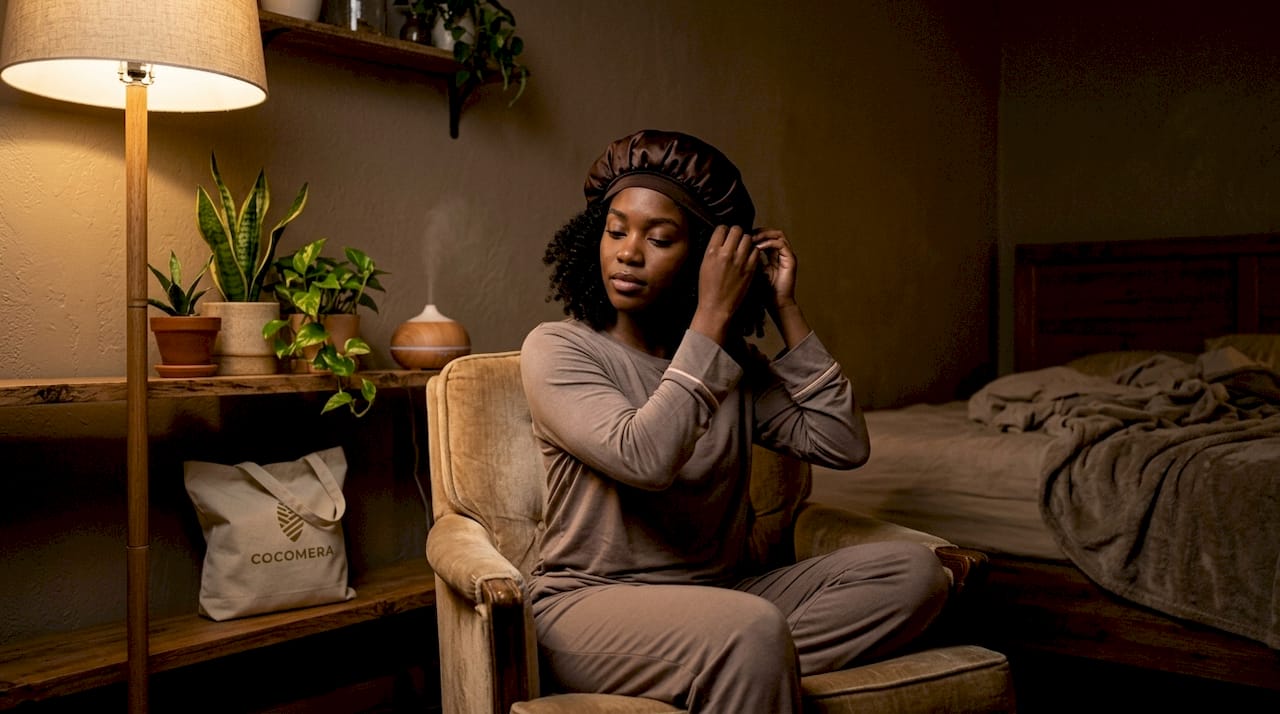
Silk and satin fabrics reduce mechanical friction and moisture loss compared to cotton. Cotton is absorbent by design, which is great for towels and terrible for your hair. A satin bonnet or a silk pillowcase keeps the cuticle lying flat and your moisture where it belongs. Satin is the budget-friendly option. Silk is more durable and breathable, but both outperform cotton by a wide margin.
Bedroom humidity and air quality
Maintaining bedroom humidity between 40% and 50% prevents dry air from stripping hair moisture overnight. Dry air pulls water from your strands the same way it cracks wood furniture. A basic humidifier, which typically costs around $40, solves this problem without any changes to your routine. If you wake up with hair that feels drier than when you went to bed, low humidity is likely the cause.
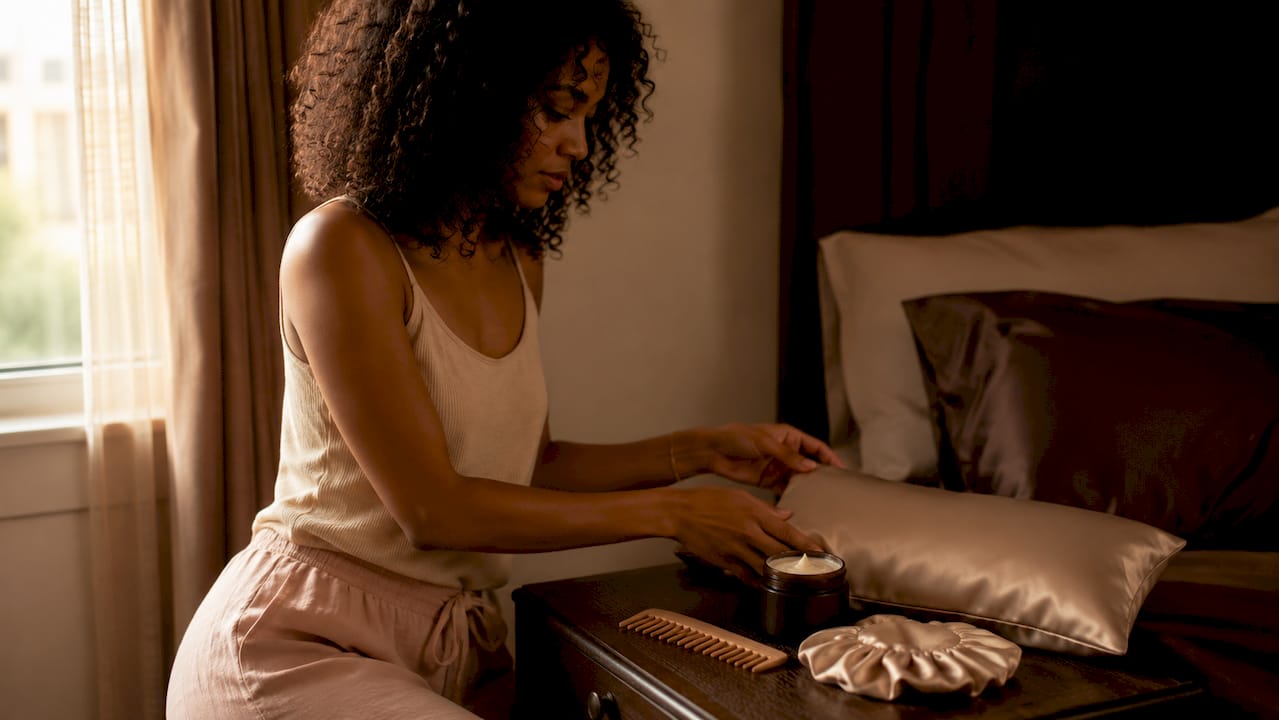
Tools worth having on your nightstand
- Wide-tooth comb or detangling brush: Minimizes breakage during pre-bed detangling
- Satin or silk scrunchies: Holds styles without the crease or tension of elastic bands
- Spray bottle with water: For light misting before applying leave-in products
- Satin bonnet or sleep cap: The most protective option for coily and tightly curled hair
| Tool or fabric | Effectiveness | Practicality |
|---|---|---|
| Satin bonnet | High: covers all hair | Easy to use nightly |
| Silk pillowcase | High: works while you sleep | No extra step needed |
| Satin scrunchie | Medium: protects style | Best paired with bonnet |
| Cotton pillowcase | Low: absorbs moisture | Not recommended |
| Humidifier | High: preserves ambient moisture | Set and forget |
Pro Tip: To test bonnet fit, put it on and shake your head gently. If it slides, it’s too loose. If you see deep indentations on your forehead or feel pulling at your edges, it’s too tight. A correct bonnet fit is snug without stressing your follicles.
How do you prepare textured hair before bed?
Preparation is where most people either protect their hair or accidentally damage it. The steps below apply to curly and coily hair types, with specific notes where curl type changes the approach.
Step-by-step pre-bed routine
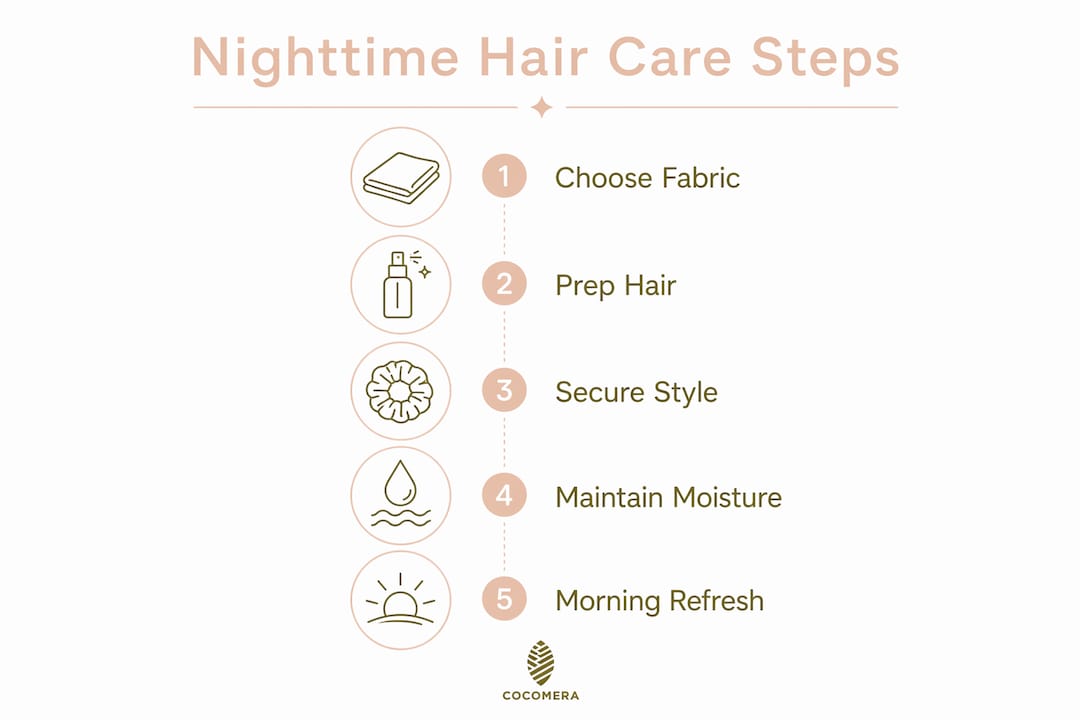
- Detangle first. Detangle curly and coily hair while it’s damp and coated with conditioner. Use a wide-tooth comb or your fingers, working from ends to roots. Two minutes of careful detangling prevents hours of knot removal the next morning.
- Dry your hair fully. Sleeping on wet hair increases fragility and risks cuticle breakage. Wet hair swells, and that swollen state makes it far more vulnerable to friction against any surface, including a satin bonnet.
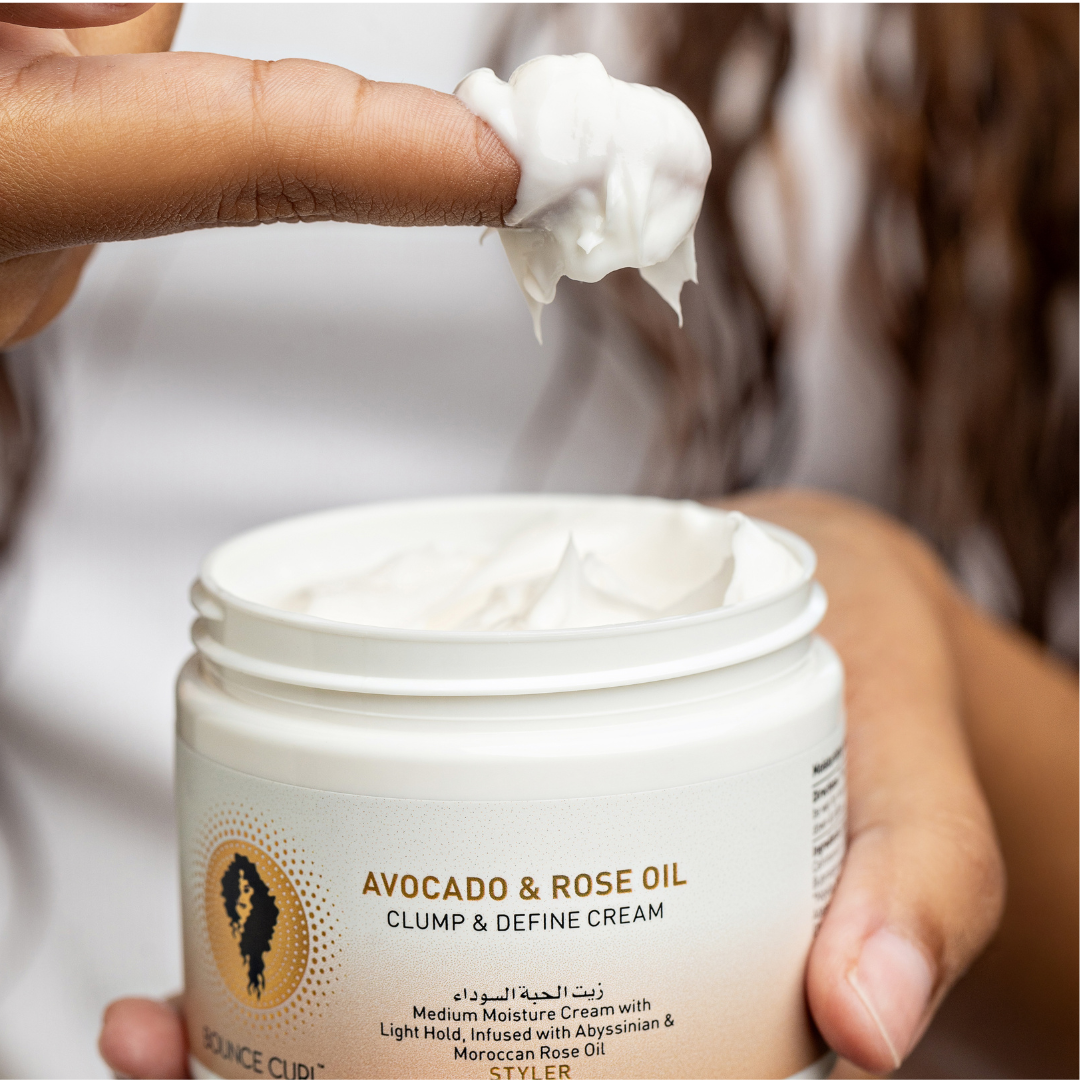
- Apply leave-in or overnight product. Focus leave-in conditioner and light oils on your ends, not your scalp. Coily and dry hair types benefit from heavier creams with an oil seal on top. Fine or wavy hair does better with a lightweight leave-in only.
- Choose your protective style. Pick a style based on your curl type and hair length.
- Secure with the right accessories. Use satin scrunchies or fabric-covered bands only. Never sleep with a metal clip or tight elastic in your hair.
Protective styles by hair type
The pineapple method works well for type 3 curls. Gather all your hair loosely at the very top of your head and secure it with a satin scrunchie. This keeps curls off your neck and face while preventing compression. For type 4 hair, two-strand twists or braids protect each section individually and reduce tangling significantly. Bantu knots work for both types and double as a heat-free styling method. If your hair is long, a loose braid down the back beats sleeping with it fully loose every time.
Pro Tip: For low porosity hair, layer your products while your hair is still slightly damp. Apply a water-based leave-in first, then seal with a light oil. This technique, called the LOC or LCO method, forces moisture into the strand before the oil creates a barrier.
Common mistakes to avoid
- Sleeping with hair fully loose and unprotected
- Using tight ponytail holders that create tension at the hairline
- Applying heavy products directly to the scalp every night
- Going to bed with soaking wet hair
- Skipping the bonnet because “it falls off anyway” (fit is the fix, not skipping it)
Tight overnight styles cause real damage over time. Excessive tension from tight ponytails or buns worn overnight causes traction alopecia at the hairline. This type of hair loss is gradual and often mistaken for natural thinning until the pattern becomes obvious.
What keeps protective styles intact through the night?
Even a perfect pre-bed routine can unravel if your style doesn’t hold. The goal is to maintain what you built without adding more manipulation in the morning.
Securing styles for different sleepers
If you toss and turn, a bonnet alone may not be enough. Layer a bonnet over your pineapple or twists, then wrap a satin scarf over the bonnet for extra security. This double-layer approach keeps everything in place regardless of how much you move. For people with longer or denser hair, pinning sections loosely before adding the bonnet reduces bulk and prevents compression.
Morning refresh without starting over
Protective styles and minimal manipulation overnight lengthen the time between wash days and reduce damage. That only works if your morning refresh is equally gentle. Mist your hair lightly with water or a diluted leave-in spray. Scrunch gently to reactivate curl pattern. Finger-coil any sections that lost definition. Avoid combing dry curls in the morning. That single habit causes more breakage than almost anything else.
Pro Tip: To reduce buildup from overnight products, limit oil application to two or three nights per week rather than nightly. Nightly oils should be limited to prevent scalp buildup and disrupted moisture balance.
Troubleshooting common overnight issues
| Problem | Likely cause | Fix |
|---|---|---|
| Flat, compressed curls | Bonnet too tight or style too dense | Use a looser pineapple or larger bonnet |
| Dry hair by morning | Low humidity or no sealant | Add humidifier, seal ends with oil |
| Frizz at the hairline | Bonnet slipping, edge friction | Adjust fit or add a satin scarf layer |
| Creasing in curls | Elastic band too tight | Switch to a satin scrunchie |
| Product buildup | Daily heavy oil application | Reduce frequency to 2-3 nights per week |
Signs your routine needs adjustment include waking up with drier hair than when you went to bed, seeing new frizz patterns that weren’t there before, or noticing thinning at the edges. These are signals, not permanent problems.
How do you build a nighttime routine that actually sticks?
A routine only works if you follow it consistently. The science backs this up: consistent sleep patterns and proper sleep hygiene improve hair follicle repair and health. Melatonin, which your body produces during sleep, directly impacts hair function. Getting 7–9 hours of sleep in a cool, dark room supports the same follicle repair that your overnight products are trying to encourage.
Building a routine that grows with your hair
- Start with two non-negotiables. Pick the bonnet and one product. Master those before adding more steps.
- Adjust as your hair changes. Longer hair needs more sections. Higher density needs more product. Porosity shifts after chemical treatments or heat damage, so your product choices should shift too.
- Add a weekly treatment. Once a week, apply a deep conditioning mask or a strengthening overnight serum before bed. Bond-building serums, protective oils, and cuticle-sealing products work together to rebuild hair integrity overnight.
- Track what changes. Take a photo of your hair every two weeks. Patterns in dryness, breakage, or curl definition become visible over time when you have a reference point.
- Give each change three weeks. Hair responds slowly. Switching products or techniques every few days tells you nothing. Three weeks gives you real data.
Sleep hygiene and hair health connect more directly than most people expect. A cool room (around 65–68°F) reduces sweating, which reduces the moisture disruption that happens when your scalp gets warm overnight. Stress management matters too. Chronic stress elevates cortisol, which disrupts the hair growth cycle at the follicle level. Your nighttime routine is not just about products. It’s about the full environment your hair lives in for eight hours every night. Understanding why hair needs moisture at a biological level makes every step of this routine feel less like a chore and more like a logical response to how your hair actually works.
Key Takeaways
The most effective nighttime hair protection for textured hair combines the right fabric, a sealed moisture layer, and a loose protective style worn consistently every night.
| Point | Details |
|---|---|
| Fabric choice matters most | Satin or silk reduces friction and moisture loss; cotton actively works against your hair. |
| Dry hair before bed | Wet hair swells and breaks more easily against any surface, even a satin bonnet. |
| Seal moisture at the ends | Apply leave-in first, then a light oil to seal; focus on ends, not the scalp. |
| Fit your bonnet correctly | Snug but not pulling; deep indentations at the hairline signal a fit that causes edge damage. |
| Consistency drives results | Give each routine change three weeks before evaluating; hair responds slowly and needs time. |
What I’ve learned from working with textured hair every day
The most common mistake I see is people treating their nighttime routine as optional. They invest in great products, follow a solid wash-day process, and then sleep on a cotton pillowcase with their hair loose. Everything they built during the day unravels in eight hours.
The second mistake is overcomplicating it. A five-step pre-bed routine sounds thorough, but if it takes 30 minutes, most people will skip it on a Tuesday night. The routines that actually stick are the ones that take under ten minutes. One bonnet, one product, one style. That’s enough to see a real difference within a month.
The insight that changed how I think about nighttime care is this: your hair spends roughly a third of its life against a surface while you sleep. That’s not a minor variable. It’s one of the most significant factors in long-term hair health, and it costs almost nothing to address correctly.
Listen to your hair. If you wake up with drier hair than you went to bed with, something in your environment or product routine is pulling moisture out. If your edges look thinner over time, something is creating tension. Your hair gives you clear feedback. The skill is learning to read it.
— Cocomera
Cocomera’s picks for your nighttime hair routine
Protecting your hair overnight starts with having the right products in your corner.

Cocomera carries a curated selection of styling products for textured hair that work with your nighttime routine, not against it. From leave-in conditioners and curl creams to strengthening hair treatments designed to repair while you rest, every product is chosen with type 2, 3, and 4 hair in mind. You’ll also find wide-tooth combs and detangling brushes built to prep your hair gently before bed. No guesswork, no mismatched products. Just a full routine that fits your curl type, all in one place.
FAQ
What is the best fabric for sleeping with curly hair?
Satin and silk are the best fabrics for sleeping with curly hair. Both reduce friction and moisture loss compared to cotton, keeping the cuticle smooth and hydrated overnight.
Can you sleep with wet hair if you use a bonnet?
Sleeping on wet hair increases breakage risk even with a bonnet. Wet hair swells and becomes fragile, making it more vulnerable to friction against any surface, including satin.
How do you protect braids at night?
Wrap braids in a satin scarf or wear a large satin bonnet to reduce friction and frizz. Mist lightly with water before covering to keep the style fresh longer.
How often should you apply oil to hair at night?
Limit overnight oil application to two or three nights per week. Nightly heavy oil use leads to scalp buildup and can disrupt your hair’s moisture balance over time.
Does bedroom humidity affect hair health?
Maintaining bedroom humidity between 40% and 50% prevents dry air from stripping moisture from your hair overnight. A basic humidifier addresses this without changing your hair routine at all.