TL;DR:
- Maintaining a healthy scalp is essential for achieving well-defined curls, as imbalance often causes frizz and dullness.
- Using sulfate-free shampoos, safe exfoliants, and oils matched to hair porosity promotes scalp health and curl vitality.
Scalp health is the foundation of every great curl, and without it, even the best styling products fall flat. The most effective scalp care tips for curls center on one principle: keep the scalp clean and balanced without stripping the moisture that textured hair depends on. Shampoo choice directly impacts curl quality, meaning frizz and poor curl definition often trace back to scalp imbalance rather than styling errors. Brands like Jessicurl and TreLuxe have built their reputations on sulfate-free formulas that address exactly this need. Get the scalp right first, and your curls follow.
1. Scalp care tips for curls start with the right shampoo
Choosing the wrong shampoo is the single most common mistake people with curly and afro hair make. Sulfate-free or low-sulfate shampoos prevent irritation and maintain scalp balance, which is especially critical for dry or sensitive scalp types. Sulfates clean aggressively, but that aggression strips the natural sebum that coily and curly textures need to stay defined and moisturized.
Cowashing, the practice of cleansing with conditioner instead of shampoo, supports hydration between wash days. It works as a supplement to shampooing, not a permanent replacement. Without periodic true cleansing, product residue and sebum accumulate at the follicle, which blocks growth and dulls curl pattern over time.
How often you shampoo depends on your scalp type. Oily scalps may need cleansing every five to seven days. Drier scalps can stretch to ten to fourteen days, especially when cowashing in between. Clarifying shampoos remove stubborn buildup effectively, but limit them to once a month to avoid over-stripping.
- Use sulfate-free shampoos as your default cleanser
- Cowash between shampoo days to maintain hydration
- Clarify monthly or when buildup causes scalp itching or dullness
- Adjust frequency based on how your scalp feels, not a fixed schedule
- Massage the scalp during every shampoo session to loosen buildup
Pro Tip: Apply shampoo directly to the scalp in sections before wetting your hair fully. This concentrates the cleanser where it matters most and reduces the amount of product needed.
2. How to exfoliate your scalp safely for curly hair
Exfoliation removes the dead skin cells and product residue that accumulate faster on textured hair because the natural curl pattern slows sebum distribution down the hair shaft. Physical scrubs can damage a sensitive scalp, so chemical exfoliants like salicylic acid are the safer and more effective choice for most curl types. Salicylic acid dissolves buildup without the micro-tears that gritty scrubs can cause.
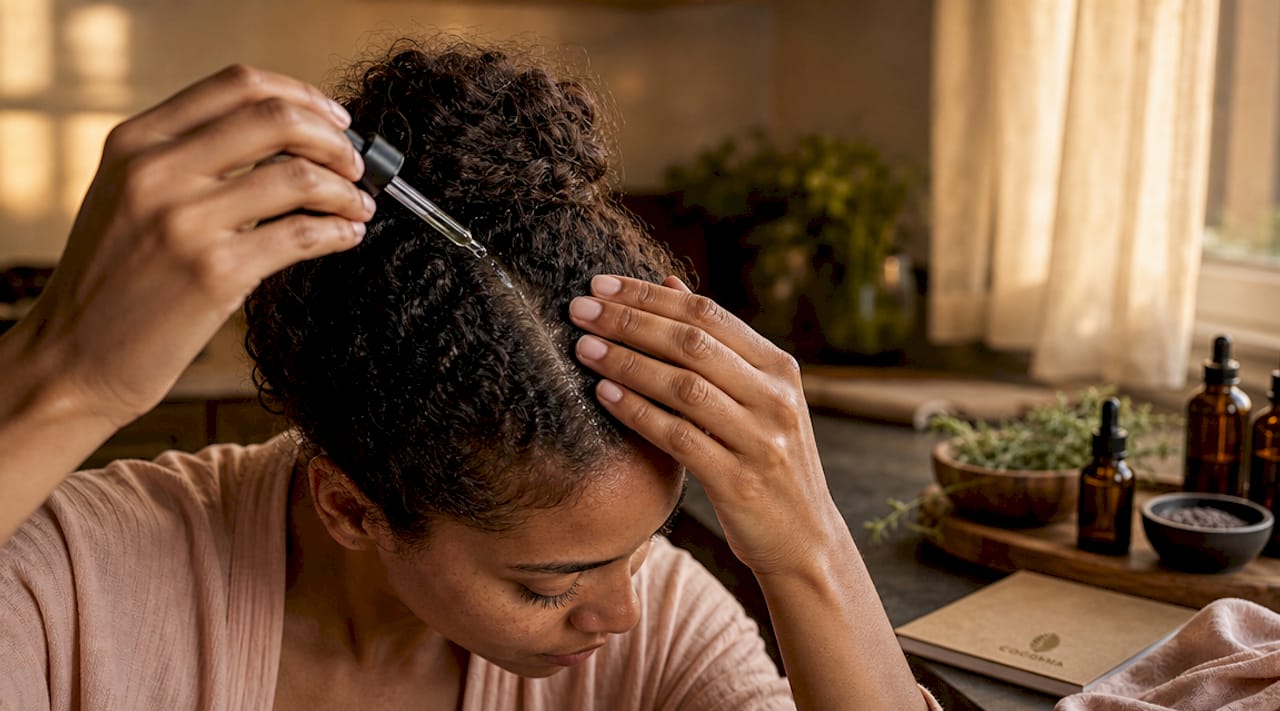
The distinction between scalp treatments for oily versus dry scalps matters here. Oily scalps benefit from serums containing caffeine, peptides, or salicylic acid, which absorb quickly without adding weight or residue. Dry or irritated scalps respond better to oil-based treatments applied before washing, a technique called pre-pooing.
| Scalp Type | Recommended Treatment | Frequency |
|---|---|---|
| Oily | Salicylic acid serum or clarifying shampoo | Weekly to biweekly |
| Dry | Jojoba or argan oil pre-poo treatment | Weekly before wash |
| Sensitive | Fragrance-free scalp serum with peptides | Every 10 to 14 days |
| Flaky | Zinc pyrithione shampoo or gentle chemical exfoliant | Biweekly |
One rule applies to every scalp type: never exfoliate during an active flare-up. If your scalp is inflamed, broken, or actively irritated, exfoliation worsens the condition. Wait until the skin has calmed before reintroducing any exfoliant.
Pro Tip: Mix a few drops of tea tree oil into your regular conditioner and apply it to the scalp for five minutes before rinsing. It provides mild antimicrobial action without the harshness of a dedicated scalp scrub.
3. Choosing the best oils for curly hair by porosity
Oil selection for scalp health is not one-size-fits-all. Matching oils to hair porosity determines whether the oil actually benefits your scalp and strands or just sits on top and causes buildup. Porosity describes how well your hair absorbs and retains moisture, and it changes how oils interact with your scalp and shaft.
Penetrating oils like coconut oil and olive oil absorb into the hair cortex and work best on high porosity hair, which has raised cuticles that allow deeper absorption. Sealing oils like castor oil and jojoba oil sit on the surface and lock in moisture, making them ideal for high porosity hair that loses hydration quickly. Low porosity hair, which has tightly closed cuticles, benefits from lighter oils like argan or sweet almond oil applied in small amounts.
- Low porosity curls: Use argan oil, grapeseed oil, or sweet almond oil in minimal amounts
- High porosity curls: Use castor oil, shea butter blends, or olive oil to seal the cuticle
- Oily scalp types: Choose jojoba oil, which mimics sebum and signals the scalp to reduce its own oil production
- Dry scalp types: Apply coconut oil or avocado oil as a pre-wash treatment, not a leave-in
Emulsifying oils before applying them improves absorption significantly. Rub the oil between your palms until it warms, then work it into the scalp with your fingertips in small circular motions. Heavy oil buildup at the follicle clogs the opening and slows growth, so less is always more.
4. Recognizing and managing common scalp conditions in curly hair
Textured hair creates conditions where scalp disorders are both more common and harder to identify. The curl pattern traps moisture, product residue, and heat close to the scalp, which creates an environment where certain conditions thrive.
Seborrheic dermatitis is one of the most common scalp conditions in people with afro and curly hair. It produces greasy flakes, redness, and persistent itching. Medicated shampoos with ketoconazole, selenium sulfide, or zinc pyrithione are the primary treatment, used weekly or biweekly to prevent recurrence. Moisturizers alone do not manage seborrheic dermatitis. The condition has a fungal component that requires antifungal treatment to stay under control.
Scalp psoriasis is frequently confused with dandruff, but the two require different approaches. Psoriasis produces thick, silvery plaques rather than loose flakes. Softening plaques with oil or salicylic acid before washing reduces inflammation and prevents hair loss caused by aggressive removal. Gentle shampooing without scrubbing is non-negotiable. Harsh manipulation of psoriasis plaques worsens the condition and increases the risk of scarring.
Scalp folliculitis appears as small, pimple-like bumps around hair follicles. Prevention involves regular gentle washing, non-occlusive products, and disinfecting tools. Combs and brushes used on an infected scalp reintroduce bacteria if not cleaned between uses. Over-the-counter antibacterial or antifungal shampoos address mild cases, but persistent folliculitis requires a dermatologist’s evaluation.
If scalp symptoms persist for more than two to three weeks despite consistent care, consult a board-certified dermatologist. Self-diagnosis of scalp conditions often leads to the wrong treatment, which delays recovery and can cause permanent follicle damage.
5. Daily and weekly scalp care habits that protect your curls
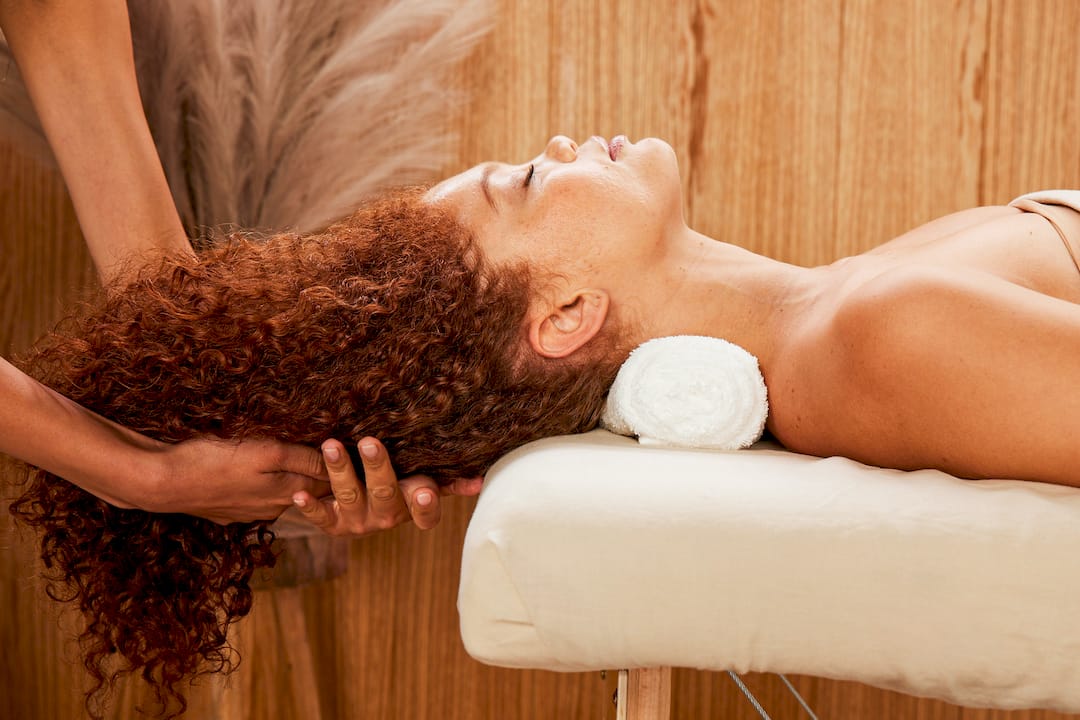
Consistent habits protect scalp health more reliably than any single product. Routine scalp massage increases circulation, distributes sebum more evenly, and provides gentle exfoliation without any additional product. Two to three minutes of fingertip massage during shampooing or as a standalone practice delivers measurable benefit over time.
Washing frequency is a balance. Too frequent washing strips the scalp of protective oils and triggers overproduction of sebum as compensation. Too infrequent washing allows buildup that blocks follicles and creates the conditions for inflammation. Most people with curly and afro hair find a rhythm of once per week to once every ten days works well, adjusted based on activity level and product use.
- Use lightweight, fragrance-free styling products to reduce follicle clogging
- Apply steam or a warm oil treatment once a month to soften the scalp and improve product absorption
- Sleep on a satin or silk pillowcase to reduce friction and moisture loss at the scalp
- Avoid tight hairstyles that place constant tension on the follicle, which causes traction alopecia over time
- Reassess your routine every season, as humidity, temperature, and activity levels all shift scalp behavior
Pro Tip: Track your scalp’s response to products in a simple notes app. After two weeks of a new product, you will have clear data on whether your scalp is responding positively or negatively, which removes the guesswork from routine adjustments.
For a structured approach to building your wash day from scratch, the coily hair wash day guide at Cocomera walks through every step in sequence.
Key takeaways
Scalp health for curly and afro hair requires consistent cleansing, porosity-matched oil use, and early recognition of conditions like seborrheic dermatitis and folliculitis.
| Point | Details |
|---|---|
| Start with the right shampoo | Sulfate-free formulas prevent stripping and maintain scalp balance for textured hair. |
| Match oils to porosity | Low porosity hair needs lighter oils; high porosity hair benefits from heavier sealing oils. |
| Exfoliate safely | Use chemical exfoliants like salicylic acid instead of abrasive scrubs on sensitive scalps. |
| Know your scalp condition | Seborrheic dermatitis, psoriasis, and folliculitis each require specific treatments, not generic care. |
| Build consistent habits | Regular scalp massage, adjusted wash frequency, and clean tools protect long-term scalp health. |
What Cocomera has learned about scalp care for curls
The most common mistake we see is people treating their scalp like an afterthought. They spend significant time selecting curl creams and gels, then wonder why their curls still fall flat or their scalp itches by day three. The scalp is skin. It responds to neglect the same way facial skin does.
What we have observed across curl types 2 through 4 is that over-cleansing is just as damaging as under-cleansing. People with oily scalps often shampoo daily trying to manage shine, which triggers the scalp to produce even more oil. The fix is not more washing. It is better washing, with the right formula and the right frequency.
The other pattern worth naming: heavy oil misuse. Applying castor oil directly to a low porosity scalp daily does not moisturize. It creates a seal over the follicle that traps debris and leads to the exact buildup people are trying to prevent. Understanding your hair porosity and oil selection changes everything about how you approach scalp care.
Patience matters here. A scalp that has been stripped, over-oiled, or dealing with an unmanaged condition takes four to six weeks of consistent correct care before it rebalances. That timeline discourages people, but the results are real and lasting once the scalp finds its equilibrium.
— Cocomera
Find the right scalp and curl care products at Cocomera
Cocomera curates scalp and hair care products specifically for wavy, curly, coily, and afro hair types 2 through 4. Every product in the collection is selected with scalp balance and curl definition in mind, so you are not sorting through formulas designed for straight hair. Browse strengthening shampoos for curly hair that cleanse without stripping, or explore the full range of hair treatments for curls including serums, oils, and scalp-focused treatments. If your scalp runs dry or itchy, the anti-dandruff and dry scalp shampoo collection covers medicated and gentle options suited to textured hair. For styling products that support scalp health without clogging follicles, the curl styling collection is a strong starting point.
FAQ
What shampoo is best for a curly hair scalp?
Sulfate-free or low-sulfate shampoos are the best choice for curly and afro hair scalps because they cleanse without stripping natural oils. Brands formulated specifically for textured hair, like those in Cocomera’s curated range, maintain scalp balance while supporting curl definition.
How often should you wash a curly hair scalp?
Most people with curly or afro hair benefit from washing once every seven to ten days, adjusted for scalp oiliness and product use. Cowashing between shampoo sessions maintains hydration without disrupting scalp balance.
What causes an itchy scalp in curly hair?
An itchy scalp in curly hair is most commonly caused by product buildup, seborrheic dermatitis, or scalp dryness from over-cleansing. Identifying the cause determines the right treatment, whether that is a clarifying shampoo, a medicated formula with ketoconazole, or a switch to a gentler cleanser.
Can oils cause scalp buildup in curly hair?
Yes. Heavy oils like castor oil applied directly to the scalp without proper cleansing accumulate at the follicle and block growth. Matching oil weight to your hair porosity and using oils as pre-wash treatments rather than daily leave-ins prevents this problem.
How do you moisturize a dry scalp with curly hair?
Apply a lightweight oil like jojoba or argan oil to the scalp before washing as a pre-poo treatment, and follow with a sulfate-free shampoo and a hydrating conditioner. For persistent dryness, a deep conditioning treatment once a week adds moisture back to both the scalp and the hair shaft.