TL;DR:
- Hair porosity describes how well hair absorbs and retains moisture, based on the condition of the cuticle layer. Different porosity levels—low, medium, and high—affect how textured hair responds to products, water, and styling. Understanding and customizing your routine according to porosity can improve moisture retention, health, and styling results.
Hair porosity is defined as your hair’s ability to absorb and retain moisture, determined by the condition of the cuticle layer that surrounds each strand. The three types of hair porosity are low, medium, and high, and each one behaves differently when it comes to water, products, and styling. For textured hair, whether wavy, curly, coily, or afro, understanding your porosity level is the single most useful thing you can do before buying another product. It explains why some creams sit on your hair like a film, why others disappear in minutes, and why your curls might feel dry no matter how much you moisturize.
1. What are the types of hair porosity?
Hair porosity measures your hair fiber’s ability to absorb and retain water and other liquids, including treatments and dyes, based primarily on the condition of the cuticle and its lipid cement. The cuticle is the outermost layer of the hair shaft, made up of overlapping scales. How tightly or loosely those scales sit determines which porosity category your hair falls into.
Low porosity hair has a tightly sealed cuticle. Water and products struggle to get in, but once moisture is inside, the hair holds onto it well. Low porosity strands often feel smooth and look shiny, but they are prone to product buildup because formulas tend to sit on the surface rather than absorb.
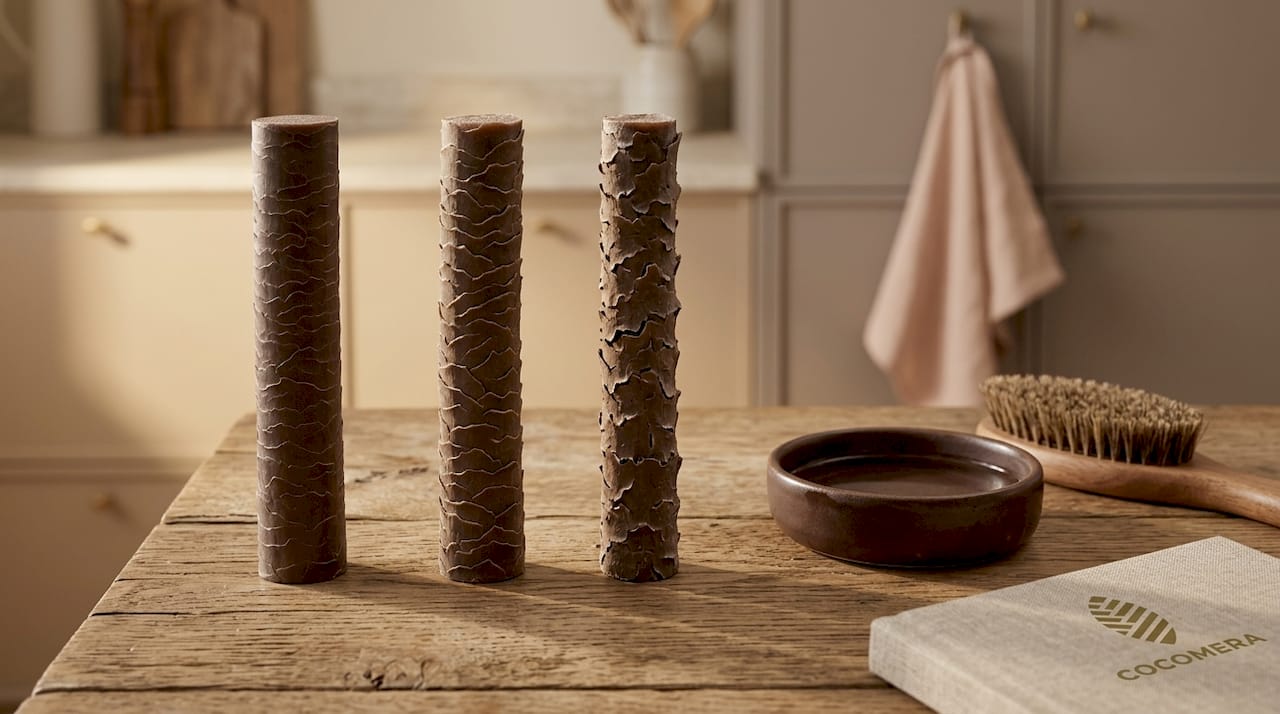
Medium porosity hair, sometimes called normal porosity, has a cuticle that sits at a balanced angle. It absorbs moisture at a reasonable rate and retains it effectively. This is generally the healthiest state for hair, and it responds well to most products and treatments without much fuss.
High porosity hair has raised or damaged cuticles that let water in quickly but cannot hold onto it. The result is hair that feels dry, looks frizzy, and seems to drink up product without ever feeling truly hydrated. High porosity can be genetic, but it is also caused by heat styling, chemical treatments, and UV exposure.
Pro Tip: Run a clean, product-free strand between your fingers from tip to root. If it feels rough or bumpy, your cuticle is raised and you likely have high porosity. If it feels glassy and smooth, your cuticle is sealed and you are probably dealing with low porosity.
2. How to test your hair porosity at home
The most widely known method is the float test, and it gives a useful starting point. Drop a clean, shed strand into a glass of room-temperature water and watch what happens over two to four minutes.
- Hair floats near the surface. This suggests low porosity. The sealed cuticle resists water absorption, so the strand stays buoyant.
- Hair sinks slowly to the middle. This points to medium porosity. The strand absorbs water at a moderate rate and settles midway.
- Hair sinks quickly to the bottom. This indicates high porosity. The open cuticle absorbs water fast, making the strand heavy and dense.
The float test is popular but imprecise for textured hair. Residue from oils, conditioners, or styling products creates a surface film that alters buoyancy and skews results. Hair diameter also plays a role. Fine strands sink faster than coarse ones regardless of porosity. For a more accurate self-assessment, combine the float test with tactile observation and watch how your hair behaves after washing.
More scientific methods like scanning electron microscopy (SEM) and Fourier-transform infrared spectroscopy (FTIR) can measure cuticle structure with precision, but these are lab tools, not bathroom tools. They are useful context for understanding why at-home tests have limits.
Pro Tip: Always use a strand that has been washed with a clarifying shampoo and air-dried before testing. Product residue on textured hair is one of the most common reasons the float test gives misleading results.
3. Why hair porosity matters for textured hair
Porosity directly controls how your hair interacts with every product you apply. Hair porosity defines how hair absorbs and retains ingredients, which determines whether your hydrating cream, protein treatment, or styling gel actually does its job.
For textured hair specifically, this is not a minor detail. Curl patterns already create natural gaps and bends along the hair shaft where moisture escapes more easily. When you layer high porosity on top of a tight coil pattern, you get a strand that loses moisture at an accelerated rate from multiple structural angles.
High porosity hair’s quick absorption but fast moisture loss explains why it may feel dry despite applying rich products. The cuticle lets water in fast and lets it escape just as fast.
The impact of damage on porosity is significant and often underestimated. UV exposure and chemical or thermal treatments damage the cuticle lipid barrier, raising the scales and increasing permeability. Bleached and chemically processed hair shows structural damage that increases porosity, which is why color fades faster in high porosity hair and why repeated relaxer use can leave hair chronically dry.
The practical consequences of porosity on your routine include:
- Product absorption speed. Low porosity hair needs time and heat to open the cuticle. High porosity hair absorbs instantly but needs sealants to hold moisture in.
- Drying time. High porosity hair often air-dries faster because water escapes quickly. Low porosity hair stays wet longer because water cannot exit easily either.
- Protein sensitivity. High porosity hair often benefits from protein treatments to temporarily fill cuticle gaps. Low porosity hair can become stiff and brittle with too much protein.
- Frizz behavior. High porosity strands absorb humidity from the air, which causes swelling and frizz. Low porosity hair is more resistant to humidity but can feel weighed down by heavy products.
4. Product and care recommendations by porosity type
Matching your products to your porosity level is where the real difference shows up in your hair. One-size-fits-all routines fail textured hair because porosity varies so widely across curl types and individual hair histories.
For low porosity hair, the goal is penetration. Light, water-based or hydrosol formulas are recommended because heavy oils and thick occlusives cannot get past the tightly closed cuticle. Applying products to hair while it is still soaking wet helps, as does using a hooded dryer or a steam treatment to gently lift the cuticle and allow ingredients to enter. Aloe vera juice, glycerin-based leave-ins, and lightweight milks work well. Avoid layering multiple heavy butters or oils, which will just sit on the surface and cause buildup.
For high porosity hair, the goal is sealing. Treatments rich in film-forming agents create a protective barrier that fills cuticle gaps and slows moisture loss. Look for ingredients like flaxseed, marshmallow root, or hydrolyzed proteins in your conditioners and leave-ins. Follow up with a heavier cream and seal with an oil like castor or avocado to lock everything in. The LOC method (liquid, oil, cream) or LCO method (liquid, cream, oil) works particularly well for high porosity hair care.
For medium porosity hair, the focus is maintenance. This hair type responds well to a balanced routine that includes regular deep conditioning, occasional protein treatments, and UV protection to prevent porosity from increasing over time.
| Porosity type | Product texture | Key ingredients | Routine focus |
|---|---|---|---|
| Low porosity | Light, water-based | Aloe vera, glycerin, hydrosols | Penetration and heat-assisted absorption |
| Medium porosity | Balanced, moderate weight | Shea butter, panthenol, light proteins | Hydration maintenance and protection |
| High porosity | Rich, film-forming | Castor oil, flaxseed, hydrolyzed protein | Sealing moisture and filling cuticle gaps |
Pro Tip: For high porosity curls, finish your wash day routine with a cold water rinse. Cold water temporarily flattens the cuticle, which helps seal in the moisture and products you just applied.
5. What is mixed porosity and how to manage it
Mixed porosity is the reality for most people with textured hair, even if they have never heard the term. Porosity often varies along the hair shaft for one person because damage accumulates over time. New growth near the roots tends to have lower porosity, while older lengths and ends carry the history of heat, color, and manipulation and show higher porosity.
This is why a single product applied root to tip sometimes gives uneven results. Your roots feel weighed down while your ends still feel dry. That is not a product failure. That is mixed porosity at work.
Managing mixed porosity in textured hair requires a layered approach:
- Apply lighter products at the roots and mid-shaft where porosity is lower.
- Use richer creams and sealing oils from the mid-shaft to the ends where porosity is higher.
- Deep condition with heat to help the lower porosity sections absorb treatment.
- Trim regularly to remove the most damaged, highest porosity ends and reduce the contrast over time.
- Protect older lengths with moisture sealing techniques like the LOC method applied specifically to the ends.
The goal with mixed porosity is not to make every section behave identically. It is to give each section what it actually needs rather than applying one formula uniformly and wondering why results are inconsistent.
Key takeaways
Understanding your hair porosity type is the foundation of an effective textured hair care routine, because porosity determines how moisture and products interact with your strands at a structural level.
| Point | Details |
|---|---|
| Three porosity levels | Low, medium, and high porosity each reflect a different cuticle state and moisture behavior. |
| Test with context | The float test gives a rough indication but combine it with tactile observation for accuracy. |
| Damage raises porosity | Heat, UV, and chemical treatments open the cuticle and increase porosity over time. |
| Match products to porosity | Low porosity needs light penetrating formulas; high porosity needs rich sealants and film-forming agents. |
| Mixed porosity is common | Apply different product weights to roots versus ends to address varying porosity along the shaft. |
What Cocomera has learned about porosity and textured hair
Porosity is one of the most clarifying concepts in textured hair care, but it is also one of the most misapplied. The mistake we see most often is treating porosity as a fixed identity rather than a current condition. Your hair’s porosity changes. A year of consistent protective styling and gentle handling can shift high porosity hair toward medium. A season of heavy heat use can push medium porosity toward high. Porosity is a snapshot, not a permanent label.
The other thing worth saying plainly: porosity is one factor among several. Scalp condition, hair density, curl pattern, and water quality in your area all shape how your hair behaves. Someone with low porosity 4C hair in a hard water area will have a completely different experience than someone with low porosity 2B hair in a soft water city. Porosity gives you a starting framework, not a complete answer.
What we have found genuinely useful is watching how your hair behaves on wash day and the days after. Does it feel dry within 24 hours? That points toward high porosity and poor retention. Does your deep conditioner seem to sit on top no matter how long you leave it? That is low porosity resisting absorption. Your hair tells you what it needs if you pay attention to the right signals.
Experiment with purpose. Try one change at a time, give it three to four wash days, and assess honestly. The best oils for curly hair for one person may do nothing for another because porosity and curl pattern interact differently across hair types. There is no shortcut around knowing your own hair.
— Cocomera
Find the right products for your porosity at Cocomera
Cocomera curates hair care products specifically for wavy, curly, coily, and afro hair, with porosity in mind at every step. Whether your hair needs lightweight formulas that can actually penetrate a sealed cuticle or rich treatments that seal moisture into open, thirsty strands, the collections are built around real textured hair needs. Browse the styling products for curly hair for porosity-matched creams, gels, and leave-ins, or explore the hair treatments collection for deep conditioners, protein treatments, and masks that address both low and high porosity challenges. Every product is selected because it works for the hair types Cocomera serves.
FAQ
What is hair porosity?
Hair porosity is the hair fiber’s ability to absorb and retain water and other liquids, determined by the condition of the cuticle layer. The cuticle’s tightness or openness places hair into one of three categories: low, medium, or high porosity.
How do I test my hair porosity?
Drop a clean, product-free strand into a glass of room-temperature water and observe for two to four minutes. Hair that floats suggests low porosity, hair that sinks midway suggests medium porosity, and hair that sinks quickly suggests high porosity, though the test is imprecise and works best combined with tactile observation.
Can hair porosity change over time?
Yes. UV exposure, heat styling, and chemical treatments damage the cuticle and increase porosity over time. Consistent gentle care and protective styling can help maintain or improve porosity levels.
Why does high porosity hair still feel dry after moisturizing?
High porosity hair absorbs products quickly but loses moisture just as fast because the raised cuticle cannot hold water in. Using film-forming ingredients and sealing oils after moisturizing helps slow that moisture loss significantly.
What is mixed porosity hair?
Mixed porosity means different sections of your hair have different porosity levels, typically lower porosity at the roots and higher porosity at the older, more damaged ends. It requires applying different product weights to different sections rather than one uniform approach.