TL;DR:
- Silk is a natural fiber that benefits curly hair through moisture retention and temperature regulation, while satin is a woven fabric often made from synthetic fibers. Both fabrics reduce friction compared to cotton, preventing damage, but silk’s natural properties provide superior long-term scalp and hair health. The best protection combines layering silk and satin accessories tailored to individual hair needs and routine habits.
Silk and satin are the two most recommended fabrics for protecting curly and textured hair, but understanding why silk vs satin for curls matters requires knowing what each material actually is. Silk is a natural protein fiber produced by silkworms, while satin is a weave technique applied to synthetic fibers like polyester or nylon. Both fabrics reduce friction compared to cotton, which can absorb up to 27 times its own weight in water, stripping your hair of natural oils overnight. That single fact explains why so many people with type 2, 3, and 4 curls wake up with frizz and breakage on a cotton pillowcase. The choice between silk and satin comes down to your budget, lifestyle, and how much your scalp health matters to you.
Why silk vs satin for curls is not a simple answer
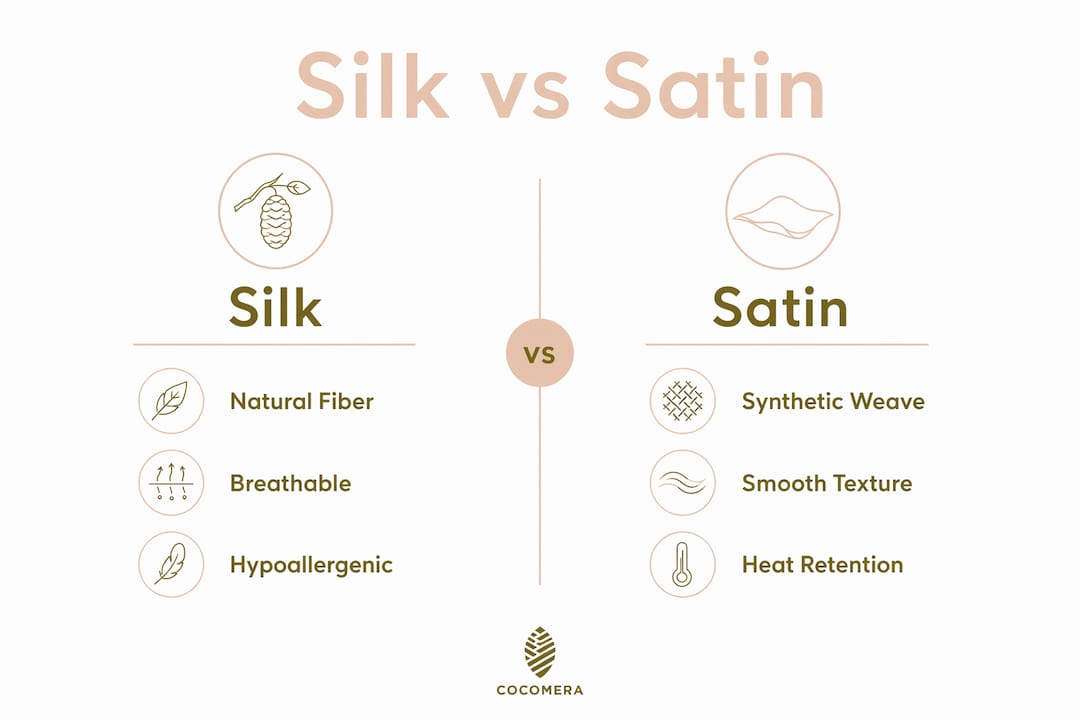
The core difference between silk and satin is fiber origin. Silk is a natural protein fiber with moisture-wicking and temperature-regulating properties, while satin is a weaving technique that most manufacturers apply to polyester or nylon. That distinction matters because the fiber itself, not just the surface texture, determines how your hair and scalp respond overnight.
Both fabrics share one key advantage over cotton: a smooth, low-friction surface. Cotton pillowcases create friction that damages hair cuticles, leading to frizz and breakage, especially for curly hair types. Silk and satin both eliminate most of that mechanical damage. The difference shows up in breathability, moisture behavior, and long-term scalp health.
Satin is not a lesser fabric. High-quality satin made from tightly woven polyester delivers a surface smooth enough to protect your curl pattern and reduce overnight tangling. The gap between silk and satin narrows significantly when you choose satin with a high thread count and a tight weave.
How silk’s natural properties benefit curly hair
Silk’s protein composition is its biggest advantage for curly hair. Silk fibers contain sericin protein that interacts with hair’s natural keratin, helping retain moisture and elasticity while reducing breakage and split ends. That biochemical compatibility is something no synthetic fiber can replicate.
The benefits of silk for curls extend beyond protein chemistry:
- Moisture retention: Silk does not absorb your hair’s natural oils or the products you applied the night before. Your curl cream stays on your strands, not on your pillowcase.
- Temperature regulation: Silk pillowcases regulate temperature overnight, preventing the scalp overheating that disrupts sleep and contributes to excess sebum production.
- Friction reduction: Silk’s smooth surface lets curls slide freely, preserving your curl pattern and reducing the mechanical stress that causes breakage.
- Hypoallergenic properties: Silk naturally resists dust mites and allergens, making it a strong choice for people with sensitive scalps or allergy-prone skin.
Pro Tip: If you have fine curls or a sensitive scalp, silk is the clear choice. The thermoregulation and hypoallergenic properties make a noticeable difference within the first two weeks of consistent use.
Silk does require more careful handling. Hand washing in cool water with a gentle detergent is the standard care method, and it should be air dried away from direct sunlight. That extra effort pays off in longevity. A well-maintained silk pillowcase lasts years, not months.
What makes satin a strong choice for curly hair?
Satin’s biggest selling point is accessibility. A quality satin pillowcase or bonnet costs a fraction of a comparable silk product and delivers real protective benefits. Satin pillowcases and bonnets reduce friction similarly to silk, helping maintain curls, especially when made from high-quality synthetic fabrics.
Here is what satin does well for curly hair:
- Low friction surface: Satin’s weave creates a smooth surface that prevents the cuticle damage and frizz that cotton causes.
- Style preservation: Satin is particularly effective at maintaining wash-and-go styles, twist-outs, and braid-outs overnight.
- Easy care: Synthetic satin withstands machine washing, making it practical for busy routines without special handling.
- Durability: Polyester satin holds its shape and smoothness through repeated washing better than many people expect.
Pro Tip: Look for satin bonnets with a double-layered lining. The extra layer adds cushioning that keeps your curls compressed evenly, which helps preserve definition through the night.
Satin does have real limitations. Synthetic satin can trap heat and sweat due to its lack of breathability, which affects scalp comfort in warmer climates or during summer months. If you sleep hot or live in a humid environment, satin may leave your scalp feeling damp and uncomfortable by morning. That is where silk’s breathability becomes a practical advantage, not just a luxury.
Common myths about silk and satin for hair protection
The biggest myth is that satin is simply a cheap imitation of silk. Satin is a distinct weave structure with its own set of strengths. High-quality satin can closely mimic silk’s benefits for friction reduction and curl preservation, especially for people who prioritize convenience over maximum scalp health.
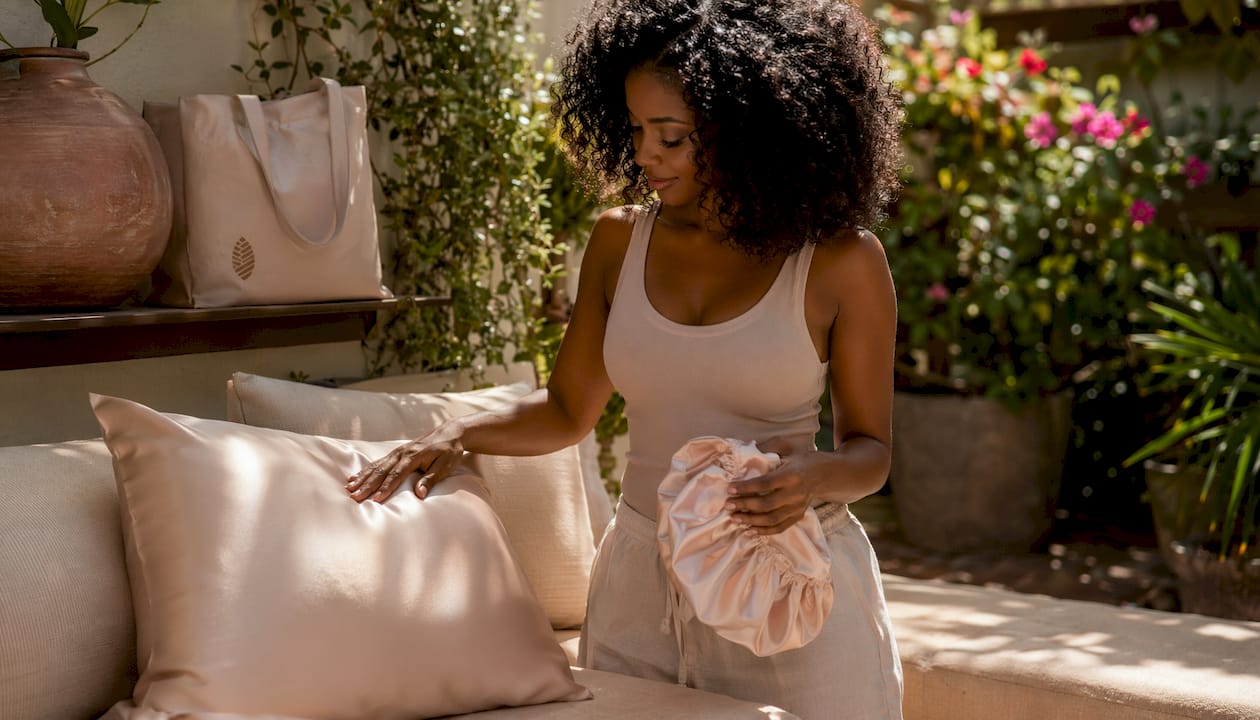
A second myth is that silk is too fragile to be practical. Silk does require more careful washing, but it is not as delicate as its reputation suggests. With proper care, a silk pillowcase or silk scarf outlasts most satin products and serves double duty as a styling accessory. Silk scarf multifunctionality includes both protective hair covering and a fashion accessory, which adds real value to the investment.
A third myth is that any smooth fabric works just as well. Thread count, weave tightness, and fiber quality all affect performance. A loosely woven polyester satin provides far less protection than a tightly woven, high-momme silk. The fabric category matters less than the quality within that category.
Cotton deserves a specific mention here. Cotton feels soft to the touch, but that softness comes with high absorbency. Cotton pulls moisture from your hair and scalp throughout the night, and cotton creates friction that damages hair cuticles in ways that neither silk nor satin does. For curly hair, cotton is the least suitable option regardless of thread count.
How to choose and care for silk and satin hair accessories
Choosing between silk and satin starts with understanding momme weight for silk products. Momme is the unit that measures silk fabric density. Higher momme weight silk fabrics provide better durability and a smoother surface for hair protection. A momme weight of 19 or above is the standard recommendation for hair care use.
- Assess your lifestyle first. If you wash bedding frequently or travel often, satin is the practical choice. If you sleep in one place and can hand wash occasionally, silk is worth the investment.
- Match the accessory to your curl type. Type 4 coils benefit most from bonnets that fully enclose the hair. Type 2 and 3 curls often do well with a pillowcase alone or a loose silk scarf.
- Layer for maximum protection. Using multiple layers of silk protection, such as a scarf under a bonnet over a silk pillowcase, enhances curl preservation compared to a single layer. This approach works especially well for longer or denser hair.
- Wash satin in a mesh laundry bag. Machine washing is fine, but a mesh bag prevents snags and extends the life of the fabric.
- Store silk away from sunlight. UV exposure degrades silk fibers over time. A drawer or pillowcase bag keeps it protected between uses.
| Consideration | Silk | Satin |
|---|---|---|
| Fiber type | Natural protein fiber | Synthetic weave (polyester or nylon) |
| Breathability | High, regulates temperature | Low, can trap heat |
| Care requirement | Hand wash, air dry | Machine washable |
| Cost | Higher upfront investment | Budget-friendly |
| Best for | Scalp health, moisture retention | Daily use, style preservation |
For people focused on moisture retention for curls, pairing a silk pillowcase with a strengthening shampoo routine makes a measurable difference. Products that support hair strength from the inside complement the mechanical protection that silk and satin provide from the outside. A hair growth oil used before bed, sealed in by a silk or satin covering, stays on the hair rather than transferring to cotton fabric.
Key Takeaways
Silk outperforms satin for curly hair health due to its natural protein composition and breathability, but high-quality satin remains a practical and effective choice for daily protection and budget-conscious routines.
| Point | Details |
|---|---|
| Silk’s protein advantage | Sericin protein in silk interacts with hair keratin, preserving elasticity and reducing breakage. |
| Satin’s practical edge | Machine-washable satin reduces friction effectively and suits busy daily routines. |
| Cotton is the worst option | Cotton absorbs moisture and creates cuticle-damaging friction, making it unsuitable for curly hair. |
| Momme weight matters | Choose silk with a momme weight of 19 or above for durability and effective hair protection. |
| Layering increases protection | Combining a silk scarf, bonnet, and pillowcase preserves curl definition better than one layer alone. |
What Cocomera has learned from years with textured hair
The silk vs satin debate often gets framed as a luxury vs budget decision, and that framing misses the point. The real question is what your hair needs most right now. If your scalp runs hot, if you live in a warm climate, or if you deal with a sensitive scalp, silk is not a luxury. It is the right tool for the job.
What I have found working with people across hair types 2, 3, and 4 is that the biggest mistake is treating fabric choice as a one-time decision. Your hair’s needs change with the seasons, with your styling routine, and with your hair’s current health. Someone deep in a moisture-repair phase needs silk’s non-absorbent surface more than someone maintaining already-healthy curls.
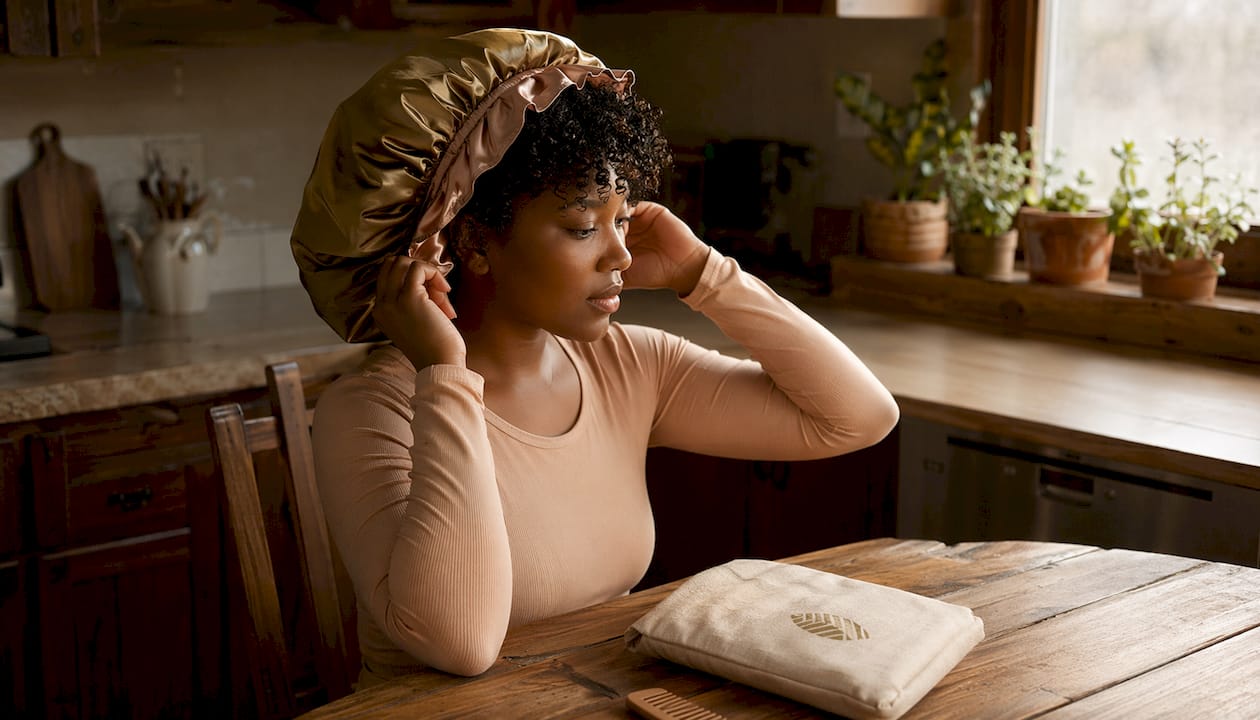
The second mistake is skipping the layering approach. A satin bonnet alone does a decent job. A silk pillowcase alone does a decent job. Both together, with a silk scarf underneath the bonnet, creates a protective environment that holds moisture, reduces friction from every angle, and keeps your curl pattern intact through the night. That combination works better than either fabric alone, regardless of which you choose.
Fabric choice also does not replace a solid product routine. The best pillowcase in the world cannot compensate for a drying shampoo or a leave-in that does not suit your curl type. Fabric protection and product quality work together. When you get both right, the difference in your hair’s texture and hydration is clear within weeks.
— Cocomera
Cocomera’s picks for curly hair care routines
Your silk or satin protection works best when the products underneath it are doing their job too.
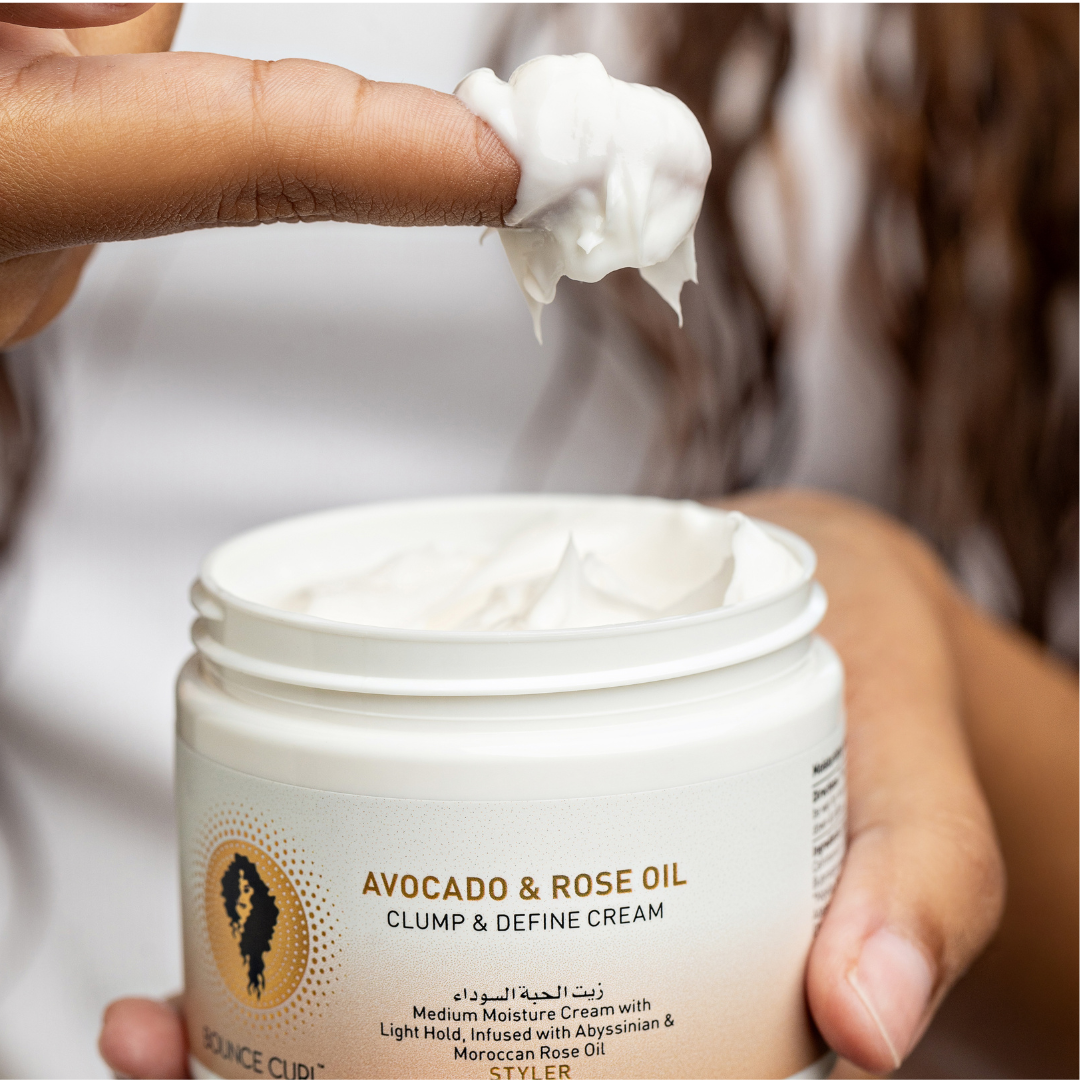
Cocomera curates styling products for curly hair specifically chosen for type 2, 3, and 4 textures, including curl creams, leave-ins, and treatments that lock in moisture overnight. The curl creams and hair creams in Cocomera’s collection are selected to work with your hair’s natural structure, not against it. If your curls need deeper repair, Cocomera’s hair treatments address moisture loss and damage at the fiber level. Every product is chosen with textured hair in mind, so you spend less time guessing and more time seeing results.
FAQ
Is silk or satin better for curly hair?
Silk is better for overall hair and scalp health due to its natural protein composition and breathability. Satin is a strong alternative for daily use because it reduces friction effectively and is easier to maintain.
Does a satin pillowcase actually help curls?
Yes. A satin pillowcase reduces the friction that causes frizz and breakage overnight. High-quality satin delivers results close to silk for curl preservation, though it lacks silk’s temperature-regulating and hypoallergenic properties.
What momme weight should I look for in a silk pillowcase?
A momme weight of 19 or above is the standard for hair care use. Higher momme weight means a denser, more durable fabric that provides a smoother surface and lasts longer with proper care.
Can I use both silk and satin together?
Yes, and layering is recommended for maximum protection. Wearing a silk scarf under a satin or silk bonnet, on top of a silk pillowcase, preserves curl definition and moisture better than any single layer alone.
Why is cotton bad for curly hair?
Cotton absorbs moisture aggressively and creates friction against the hair cuticle, causing frizz, dryness, and breakage. For curly and textured hair, cotton is the least suitable sleep fabric regardless of thread count.