TL;DR:
- Protein treatments temporarily reinforce hair structure by filling cuticle gaps with hydrolyzed keratin. They reduce breakage and improve manageability for textured hair but must be balanced with moisture to prevent brittleness. Proper application and routine pairing support stronger, healthier hair.
Protein treatments are defined as topical formulas that temporarily reinforce hair structure by filling gaps in the cuticle with hydrolyzed proteins, most commonly keratin. Hair is made primarily of keratin, and textured hair, including wavy, curly, coily, and afro hair types, loses that protein through heat, chemical processing, and mechanical stress. The role of protein treatments is to restore that structural integrity, reduce breakage, and improve manageability. Balancing protein with moisture is the key constraint. Too much protein without adequate hydration creates brittle strands, which is a common and fixable mistake.
How do protein treatments work to strengthen hair?
Protein treatments work by depositing hydrolyzed protein molecules into the hair shaft, where they bond with existing keratin to fill structural gaps. Hydrolyzed keratin has a reduced molecular weight, which allows it to penetrate the cuticle rather than just coat the surface. That penetration is what separates a true protein treatment from a standard conditioner.
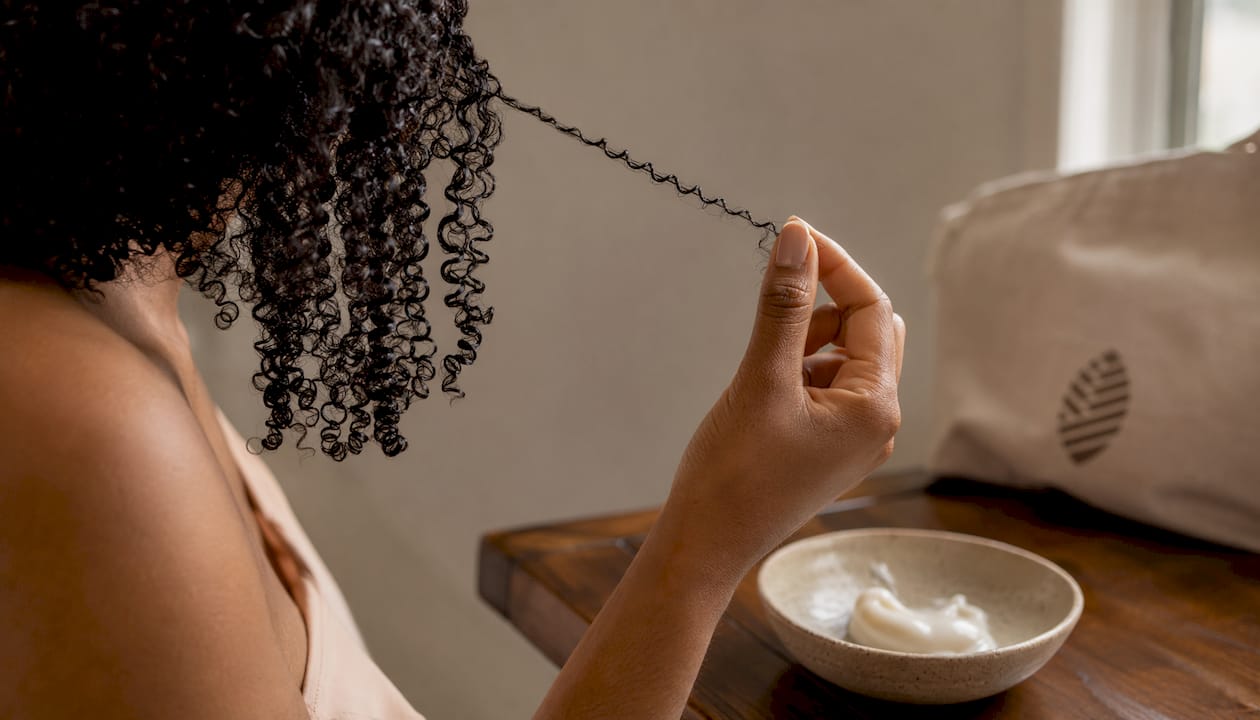
The mechanical results are measurable. Tests on processed hair showed nearly doubled tensile strength when treatments were applied every 2–4 weeks for 20–30 minutes under controlled conditions. Tensile strength is the force hair can withstand before snapping. Higher tensile strength means less breakage during detangling, styling, and daily manipulation.
Protein treatments also differ from bond-building treatments. Bond-builders repair internal disulfide bonds inside the cortex, while protein treatments strengthen structure from the outside in. The two approaches complement each other but are not interchangeable. For textured hair with both chemical and mechanical damage, using both in a planned routine delivers better results than relying on one alone.
Key benefits of protein treatments for textured hair include:
- Reduced breakage from detangling and styling
- Improved elasticity when paired with moisture
- Smoother cuticle surface for better shine and less frizz
- Lower porosity in high-porosity hair after repeated use
- Stronger foundation for color-treated or chemically relaxed strands
Pro Tip: Apply protein treatments to clean, damp hair. Product buildup on the cuticle blocks absorption and reduces effectiveness.
What is protein-moisture balance, and why does it matter?
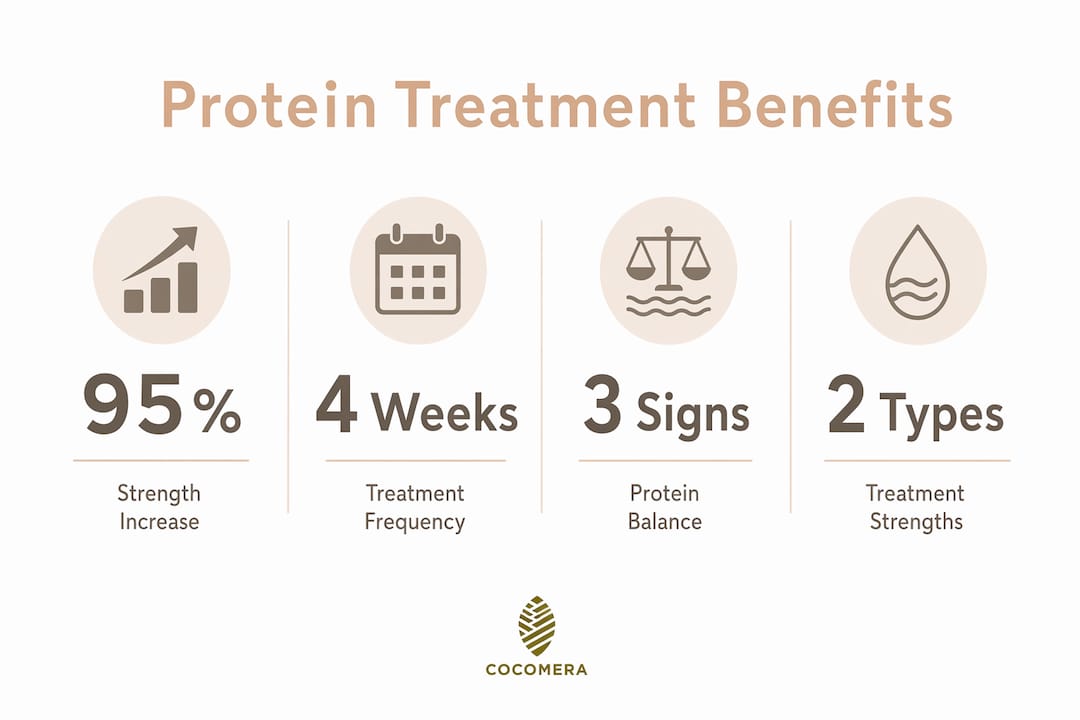
Protein builds structure. Moisture provides flexibility. Both are required for healthy hair, and neither works well without the other.
Overuse of protein treatments causes protein overload, a condition where hair becomes stiff, brittle, and prone to snapping. The symptoms are easy to recognize: a straw-like texture, loss of curl bounce, and a rough feel when you run your fingers through your hair. The fix is straightforward. Stop protein treatments temporarily and follow with moisturizing deep conditioners until elasticity returns.
Protein overload is not the only cause of brittle hair. Hormonal shifts, nutritional deficiencies, and environmental dryness produce identical symptoms. Diagnosing the actual cause before adjusting your routine prevents weeks of misdirected treatment.
Hair porosity determines how often you need protein. High-porosity hair, common in chemically treated or heat-damaged textured hair, absorbs protein quickly and benefits from more frequent applications. Low-porosity hair resists absorption and needs lighter formulas applied less often.
A practical rotation for most textured hair types looks like this:
- Apply a protein treatment every 2–4 weeks depending on damage level and porosity.
- Follow immediately with a moisturizing deep conditioner to restore flexibility.
- Monitor your hair’s feel between sessions. If it feels stiff or dry, extend the gap before the next protein application.
- Adjust frequency after chemical services, heat styling, or seasonal changes that increase dryness.
Pro Tip: The stretch test tells you what your hair needs. Wet a single strand and stretch it gently. If it snaps immediately with no give, your hair needs moisture. If it stretches and never snaps back, it needs protein.
How to choose the right protein treatment for your hair type
Matching treatment strength to hair condition is the most important decision in any protein routine. Wrong protein intensity or timing can cause rigidity or worsen existing damage. The table below maps treatment types to hair characteristics and recommended frequency.
| Treatment type | Best for | Key proteins | Frequency |
|---|---|---|---|
| Light treatment | Fine, low-porosity, wavy (2a–2c) | Wheat protein, silk protein | Every 4–6 weeks |
| Medium treatment | Normal to coarse, type 3 curls | Collagen, oat protein | Every 3–4 weeks |
| Heavy treatment | High-porosity, coily, chemically treated (type 4) | Hydrolyzed keratin | Every 2–4 weeks |
| DIY treatment | All types, mild maintenance | Rice water, egg, yogurt | Every 2–4 weeks |
Light protein treatments use smaller molecules like wheat and silk proteins. They add a gentle layer of reinforcement without overwhelming fine or low-porosity strands. Medium treatments with collagen work well for type 3 curls that face regular heat or color stress. Heavy treatments with hydrolyzed keratin are designed for type 4 coily hair and chemically relaxed or bleached strands that have significant structural gaps.
DIY options like rice water rinses and egg masks provide a mild protein boost. They work for maintenance between professional treatments but do not deliver the same depth of repair as formulated products. Nutritional deficiencies also affect hair structure from the inside, so pairing topical treatments with a protein-adequate diet supports better long-term results.
Additional selection tips:
- Clarify before every protein treatment. Product buildup reduces cuticle absorption.
- Use heat activation when the product instructions recommend it. A hooded dryer or heat cap improves penetration on coarse, high-porosity hair.
- Avoid applying heavy treatments to hair that already feels stiff or rigid. That is a sign of protein overload, not protein deficiency.
How to integrate protein treatments into your textured hair routine
A protein treatment works best as one step in a complete routine, not as a standalone fix. Protein strengthens structure while moisture maintains the flexibility that prevents breakage under tension. Skipping either step undermines both.
Follow this sequence for best results:
- Clarify with a strengthening shampoo to remove buildup and open the cuticle for absorption.
- Apply your protein treatment section by section, working it through from root to tip.
- Process with heat if the product recommends it, typically 20–30 minutes under a hooded dryer.
- Rinse thoroughly and follow immediately with a moisturizing deep conditioner.
- Seal with a hair oil after styling to lock in moisture and protect the cuticle.
Diet also plays a role. Adults need 50–60 grams of dietary protein daily to support hair growth. Insufficient intake links to telogen effluvium, a form of shedding triggered by nutritional stress. Topical protein treatments do not stimulate growth, but they protect the hair you already have. Internal and external care work together.
Watch for these signs that your routine needs adjusting. Hair that feels mushy and stretches without snapping needs protein. Hair that feels dry, rough, and snaps without stretching needs moisture. Hair that feels balanced, stretches slightly, and snaps back is in good condition. Reassess after every wash day and after any chemical service.
Pro Tip: Never layer a protein-heavy leave-in product on top of a protein treatment without a moisturizing conditioner in between. Stacking protein without hydration accelerates brittleness.
Key Takeaways
Protein treatments strengthen textured hair by filling cuticle gaps with hydrolyzed keratin, but they require consistent pairing with moisture to prevent brittleness and maintain elasticity.
| Point | Details |
|---|---|
| Protein fills structural gaps | Hydrolyzed keratin penetrates the cuticle and bonds with existing hair proteins to reduce breakage. |
| Moisture balance is non-negotiable | Always follow a protein treatment with a deep conditioner to maintain flexibility and prevent stiffness. |
| Match treatment strength to hair type | Light proteins suit fine or low-porosity hair; heavy keratin treatments are for coily or chemically treated strands. |
| Protein overload is reversible | Stop protein treatments, use moisturizing conditioners, and elasticity returns within a few wash cycles. |
| Diet supports topical results | Consuming 50–60 grams of protein daily supports hair growth and complements the structural work of topical treatments. |
What I’ve learned from watching protein treatments go wrong
The most common mistake I see with textured hair and protein treatments is applying more product to fix a problem that protein did not cause. Dry, brittle hair has multiple possible origins: low humidity, hormonal changes, inadequate moisture retention, and yes, protein overload. Treating all of them with a heavy keratin treatment makes two of those four causes significantly worse.
Protein treatments are temporary reinforcements, not permanent repairs. That distinction matters because it changes how you approach your routine. You are not rebuilding your hair cortex. You are patching the surface regularly enough that the damage stays manageable. That requires precision, not volume.
The second thing I’ve noticed is that people underestimate the role of application sequence. Protein applied to hair with product buildup does almost nothing. Protein applied without a follow-up moisturizing conditioner creates the exact brittleness people were trying to fix. The sequence is the treatment. Get the sequence right and even a mid-range product delivers strong results.
My honest recommendation: start with a step-by-step masking routine before committing to a specific protein product. Understanding how your hair responds to treatment in general gives you a much clearer baseline than any product label will.
— Cocomera
Protein treatments for textured hair at Cocomera
Cocomera curates hair treatments for curly and textured hair that support both structural strengthening and moisture balance, the two pillars of a working protein routine.
The collection includes protein-focused treatments and moisturizing hair masks suited for type 2, 3, and 4 hair. Every product is selected with textured hair in mind, so you are not sorting through formulas designed for straight hair and hoping for the best. Whether your hair needs a light wheat protein refresh or a heavy keratin repair, Cocomera’s range covers the full spectrum of textured hair needs in one place.
FAQ
What does a protein treatment actually do to hair?
A protein treatment fills gaps in the hair cuticle with hydrolyzed protein molecules, temporarily increasing tensile strength and reducing breakage. It smooths the cuticle surface, which also improves shine and manageability.
How often should textured hair get a protein treatment?
Most textured hair types benefit from protein treatments every 2–4 weeks, depending on porosity and damage level. High-porosity or chemically treated hair may need more frequent applications, while low-porosity hair does better with lighter treatments every 4–6 weeks.
What are the signs of protein overload?
Protein overload produces straw-like texture, loss of curl bounce, and hair that snaps without stretching. The fix is to pause protein treatments and use moisturizing deep conditioners until elasticity returns.
Do protein treatments help hair grow?
Topical protein treatments do not stimulate hair growth. They strengthen existing strands and reduce breakage, which helps retain length. Hair growth depends on internal factors, including dietary protein intake of 50–60 grams daily.
What is the difference between a protein treatment and a deep conditioner?
A protein treatment reinforces hair structure by depositing keratin or other proteins into the cuticle. A deep conditioner restores moisture and flexibility. Both are necessary, and using one without the other produces incomplete results.