TL;DR:
- Wavy hair requires a tailored routine that emphasizes gentle cleansing, strategic conditioning, and careful styling on soaking wet hair. Using lightweight products, drying with microfiber or air drying, and adopting proper refreshing techniques help maintain wave definition and reduce frizz. Avoiding common mistakes like heavy product application and rough towel drying is essential for healthy, bouncy waves.
Wavy hair is defined as hair that falls between straight and curly, typically classified as Type 2, with subtypes 2A, 2B, and 2C each requiring a distinct approach to care. A solid wavy hair maintenance guide does not demand expensive products or hours of effort. It demands the right sequence: cleanse correctly, condition strategically, style on soaking wet hair, and protect your waves overnight. Get those four things right, and your waves will reward you with definition, bounce, and far less frizz than you thought possible.
What is the best washing routine for wavy hair?
Washing frequency is the foundation of any wavy hair care routine, and the answer depends entirely on your subtype. Washing frequency varies by subtype: 2A hair benefits from washing every 1–2 days, 2B every 2–3 days, and 2C every 3–4 days. That gap matters because 2C waves have more texture and density, which means natural scalp oils travel down the hair shaft more slowly.
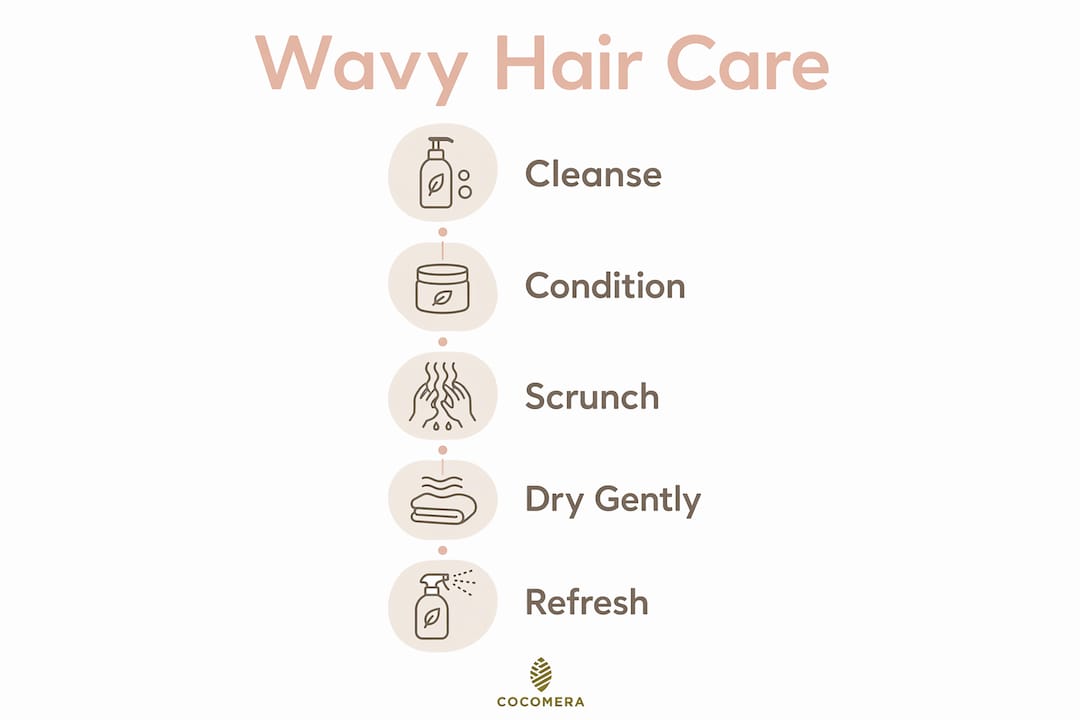
The goal of washing is to cleanse the scalp without stripping the lengths. Sulfate-free shampoos accomplish this by removing buildup without the harsh detergents that leave waves brittle and frizzy. Brands like SheaMoisture, Cantu, and As I Am all produce sulfate-free formulas designed for textured hair. Focus the shampoo on your scalp only, and let the rinse water carry it through the lengths.
Conditioning placement changes everything for wavy hair. Apply conditioner from mid-lengths to ends on very wet hair, and keep it away from the roots. Conditioning at the roots weighs down 2A and 2B waves almost immediately, leaving them limp before you even step out of the shower.
The squish-to-condish method is the most effective conditioning technique for wavy hair. While your hair is still full of water and conditioner, cup sections of hair in your palm and squeeze upward. This pushes water and product into the hair shaft and starts forming wave clumps before you even rinse. Gently detangle with your fingers during this step, never with a brush.
Pro Tip: Rinse your conditioner with cool water. Cool water closes the hair cuticle, which locks in moisture and adds shine to your waves.
How to style wavy hair without weighing it down
Styling product choice is where most people with wavy hair go wrong. Lightweight mousses and light gels are the correct tools for Type 2 hair. Heavy creams and thick butters designed for Type 4 coils will flatten 2A and 2B waves within an hour. The rule is simple: the looser your wave pattern, the lighter your product needs to be.
Here is a reliable styling sequence for all three wavy subtypes:
-
Step out of the shower without touching your hair. Let it drip for a few seconds. Your hair should be soaking wet, not just damp.
-
Apply your leave-in conditioner first if your hair needs extra hydration. Use a small amount and scrunch it in from ends to mid-lengths.
-
Apply your styler on soaking wet hair. Styling on soaking wet hair distributes product evenly and encourages wave clumping. Waiting until hair is damp leads to uneven coverage and frizz.
-
Scrunch upward from ends to roots in sections. Do not rake product through. Raking separates wave clumps and creates frizz.
-
Do not touch your hair again until it is at least 80% dry.
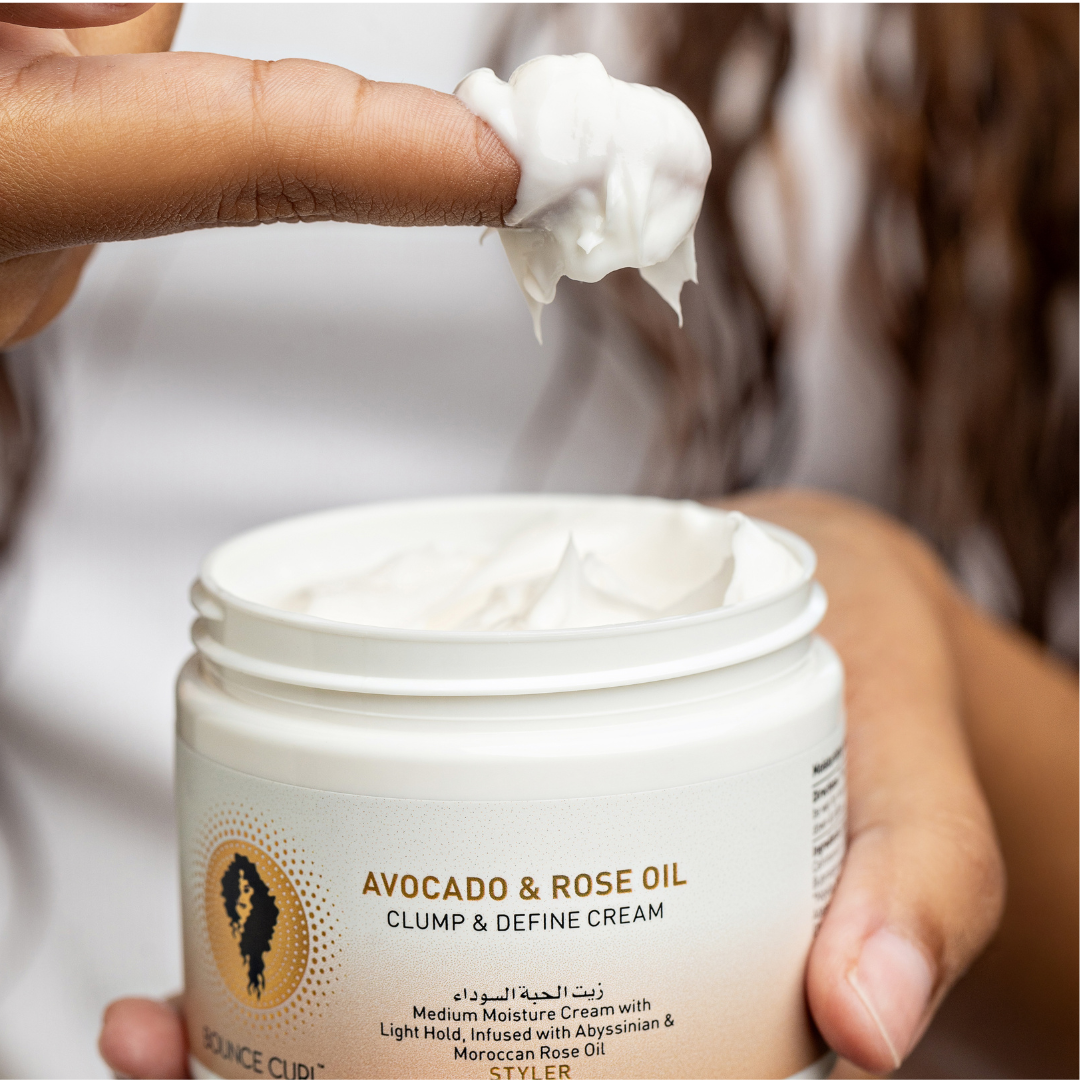
For 2A hair, a light foam or mousse like the Glossy Oil Foam Hair Styler from Spyra Verified gives hold without stiffness. For 2B and 2C hair, a light gel layered over a leave-in conditioner provides more definition and hold.
Pro Tip: Start with less product than you think you need. You can always add more on the next wash day. Most bad wave days come from too much product, not too little.
What are the best drying techniques for wavy hair?
How you dry your waves is just as important as how you wash and style them. Frizz and flattening are caused more by excessive handling during drying than by lack of moisture. Put the regular towel down. A standard terry cloth towel roughens the hair cuticle and breaks apart wave clumps before they even set.
Use a microfiber towel or a plain cotton t-shirt instead. Both materials absorb water without the friction that causes frizz. Scrunch your hair gently with the microfiber towel, then leave it alone.
Here is a comparison of the two main drying methods:
| Method | Best For | Key Technique | Risk |
|---|---|---|---|
| Air drying | All subtypes, especially 2A | Scrunch once, then do not touch | Slow; waves may drop if disturbed |
| Diffuser | 2B and 2C; humid climates | Low heat, low airflow, cup sections | Frizz if used on dripping wet hair |
Diffuse on low heat and low airflow, drying one section at a time by cupping the hair into the diffuser bowl. Hold each section for 30–60 seconds before moving on. You can read more about proper diffuser technique in Cocomera’s guide on hair diffusers for curls.
Dry hair to roughly 80% and then let it finish air-drying. This approach gives you the speed of a diffuser without the heat damage that comes from fully drying with hot air.
Once your hair is completely dry, use the scrunch-out-the-crunch method. Scrunch your hair firmly with your hands to break the gel or mousse cast. This releases the hold and leaves you with soft, defined waves instead of crunchy ones.
How do you refresh wavy hair between wash days?
Refreshing waves between washes keeps your style looking intentional rather than slept-on. Misting with water and a small amount of leave-in is the most effective way to reactivate wave clumps. Fill a spray bottle with water and add a few drops of your leave-in conditioner. Mist your hair lightly, then scrunch upward from the ends.
A few habits that protect your waves between washes:
-
Never brush dry waves. Dry brushing breaks wave clumps and turns defined waves into a frizzy cloud. Use your fingers only.
-
Sleep on a silk or satin pillowcase. Silk and satin reduce friction overnight, which means you wake up with far less frizz and more intact wave structure.
-
Use a loose pineapple or a single loose braid to protect your waves while you sleep. Tight styles leave dents; loose ones preserve the shape.
-
Adjust your refresh spray for humidity. On humid days, skip the leave-in and use plain water. On dry days, add a tiny amount of your regular styler to the spray bottle for extra hold.
For more strategies on managing frizz day to day, Cocomera’s guide on frizz control for wavy hair covers the topic in depth.
What mistakes flatten or frizz wavy hair?
Most wavy hair problems trace back to a short list of fixable mistakes. Knowing what they are saves you months of trial and error.
-
Too much product. Excess product causes flat, frizzy waves more reliably than dry hair does. If your waves go flat by midday, reduce your product amount before switching products entirely.
-
Conditioning at the roots. This is one of the most common errors. Conditioner at the roots weighs down the wave pattern at the scalp, where waves need the most lift.
-
Rough towel drying. Rubbing hair with a regular towel creates friction that lifts the cuticle and causes frizz. Always blot or scrunch, never rub.
-
Styling on damp hair instead of soaking wet hair. Applying products on damp hair leads to uneven distribution and prevents wave clumps from forming properly.
-
Using heat tools without protection. Flat irons and curling wands used directly on wavy hair without a heat protectant cause long-term damage to the wave pattern. If you use heat, apply a protectant first and keep the temperature below 350°F.
“The sequencing in styling is key: use clump-forming methods like squish-to-condish and scrunch on soaking wet hair, and only scrunch out the gel or mousse crunch once hair is fully dry.” Wavy Hair Routine Guide
Scalp health is also part of the equation. Washing too infrequently leads to product buildup that weighs waves down and causes scalp irritation. Washing too often strips the natural oils that give waves their texture and definition. Match your wash frequency to your subtype, and adjust when your scalp tells you something is off.
Key takeaways
Healthy, defined wavy hair comes from matching your routine to your specific subtype and keeping products light, application wet, and hands off during drying.
| Point | Details |
|---|---|
| Match wash frequency to subtype | 2A washes every 1–2 days; 2B every 2–3 days; 2C every 3–4 days. |
| Condition mid-lengths to ends only | Applying conditioner at the roots flattens waves and reduces lift at the scalp. |
| Style on soaking wet hair | Product applied to dripping wet hair distributes evenly and forms better wave clumps. |
| Use microfiber or a cotton t-shirt | Regular towels create friction that breaks wave clumps and causes frizz. |
| Less product beats more | Most flat or frizzy wave days are caused by excess product, not insufficient moisture. |
What Cocomera has learned about caring for wavy hair
The single most common piece of feedback we hear from customers with Type 2 hair is that they spent years overloading their hair with products designed for tighter curl patterns. Type 3 and Type 4 products are formulated for hair that needs significantly more moisture and hold. On 2A and 2B waves, those same products act like weights.
The “less is more” principle is not a cliché here. It is the most practical thing you can do for your waves. Start with one lightweight styler, apply it on soaking wet hair, and leave your hair completely alone until it dries. That single change produces better results than switching products five times.
Timing also matters more than most guides admit. The difference between styling on soaking wet hair versus hair that has been air-drying for five minutes is significant. Those five minutes change how the product distributes and whether your waves clump or separate.
Nighttime protection is the most underrated part of any wavy hair routine. A silk pillowcase and a loose pineapple cost almost nothing and eliminate most of the frizz that builds up overnight. If you only add one new habit to your routine, make it that one.
When you want to change your routine, change one thing at a time. Swapping your shampoo, conditioner, and styler all at once makes it impossible to know what worked. Give each change two or three wash days before evaluating.
— Cocomera
Find the right products for your waves at Cocomera
Cocomera curates every product in its collection specifically for textured hair, including Type 2 wavy hair. You will not have to sort through products designed for straight hair or guess whether a formula is too heavy for your wave pattern.

The styling products collection includes lightweight mousses, light-hold gels, and leave-in conditioners selected for 2A, 2B, and 2C hair. For wash day, the strengthening shampoo range covers sulfate-free options that cleanse without stripping. If your waves need a reset, the hair masks collection offers deep conditioning treatments that restore moisture without weighing waves down. Every product fits into the routine outlined in this guide.
FAQ
How often should you wash wavy hair?
Wash frequency depends on your subtype. Type 2A hair benefits from washing every 1–2 days, 2B every 2–3 days, and 2C every 3–4 days. Adjust based on how oily your scalp feels or whether product buildup is making your waves limp.
Why do my waves go flat after washing?
Flat waves after washing are almost always caused by too much product or conditioning at the roots. Reduce your styler amount first, keep conditioner away from the scalp, and make sure you are applying product on soaking wet hair rather than damp hair.
What is the squish-to-condish method?
Squish-to-condish is a conditioning technique where you cup sections of wet, conditioner-coated hair and squeeze upward repeatedly. This pushes water and product into the hair shaft and begins forming wave clumps before you rinse.
Can you brush wavy hair when it is dry?
No. Brushing dry wavy hair breaks apart wave clumps and causes frizz. Use your fingers to scrunch and separate waves instead. If you need to detangle, do it in the shower while your hair is wet and coated with conditioner.
What is the best way to sleep with wavy hair?
Sleep on a silk or satin pillowcase and put your hair in a loose pineapple or a single loose braid. This reduces friction overnight and preserves your wave pattern so you wake up with less frizz and more definition to work with.