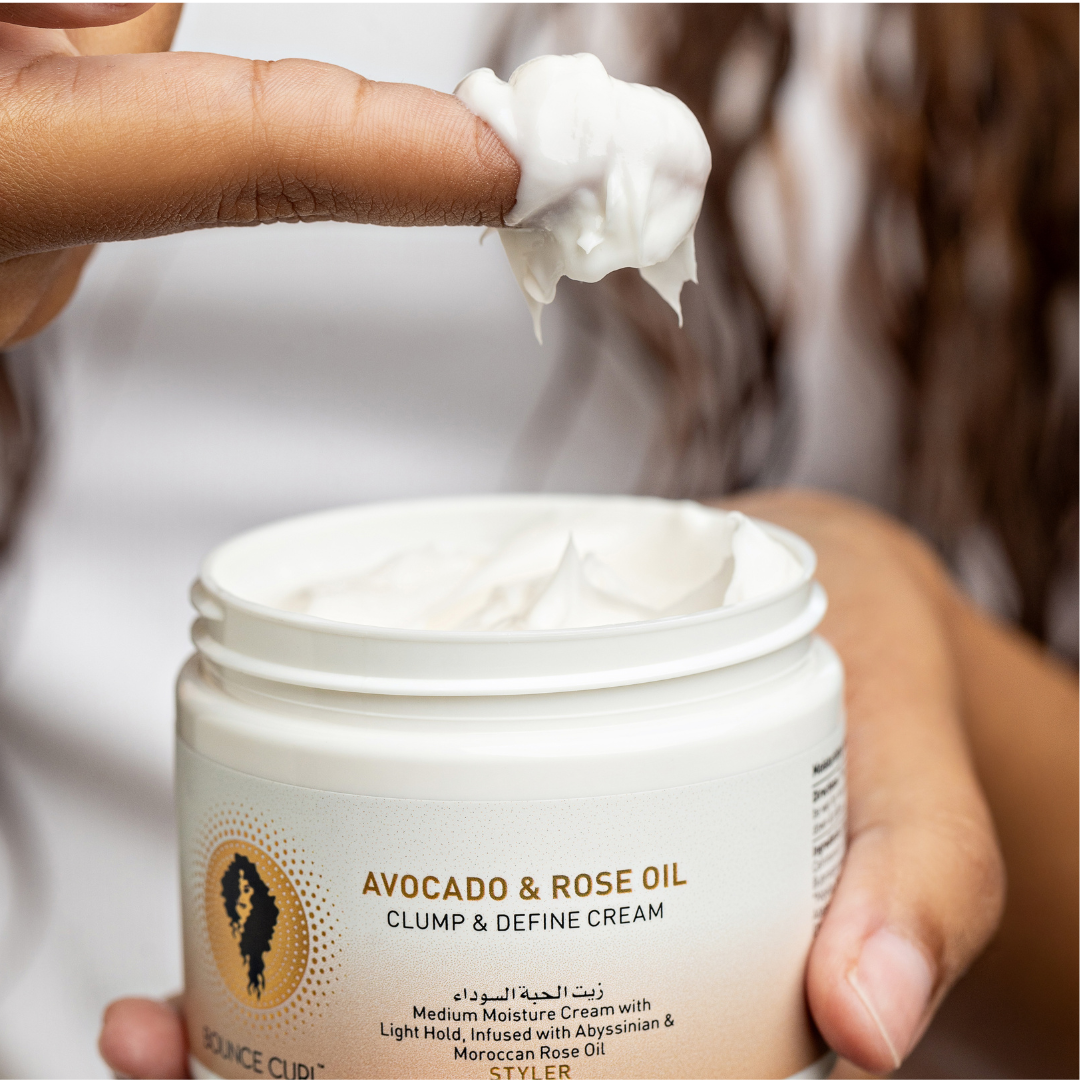
If your curls look frizzy, undefined, or snapped off at the ends, your accessories might be the problem. Most mainstream hair tools are designed for straight hair, which means they create friction, strip moisture, and disrupt curl patterns in ways that set you back every wash day. Gentle, low-friction tools are foundational to healthy curly hair, not optional extras. This guide walks you through every essential accessory, how to choose what fits your specific hair type, how to use each tool correctly, and the most common mistakes to avoid. Whether your hair falls into the wavy 2s, curly 3s, or coily and afro 4s, there is a better routine waiting for you.
Table of Contents
Key Takeaways
| Point | Details |
|---|---|
| Right tools matter | Using gentle, targeted accessories is essential for reducing breakage and enhancing curls. |
| Customize for your hair | Match accessories and products to your hair’s porosity and texture for the best results. |
| Routine is key | Consistent use of suitable accessories throughout your routine keeps curls healthy and defined. |
| Avoid common mistakes | Ditch rough towels and brushes on dry hair to prevent frizz and damage. |
Essential accessories for every curl type
Now that you know the importance of using the right tools, let’s look at which accessories every curly-haired woman should have. The difference between a good curl day and a frustrating one often comes down to what’s in your bathroom cabinet, not just what’s in your bottles.
Here are the core accessories your routine needs:
-
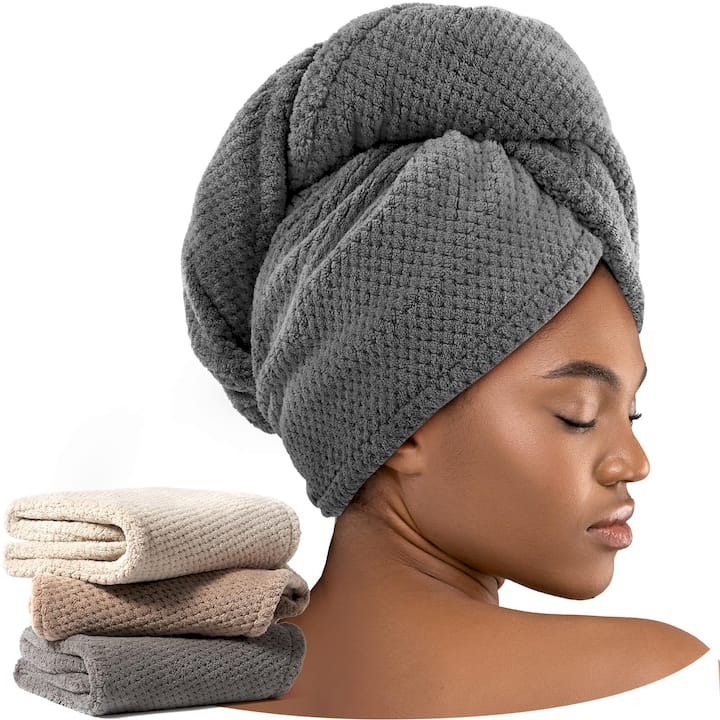
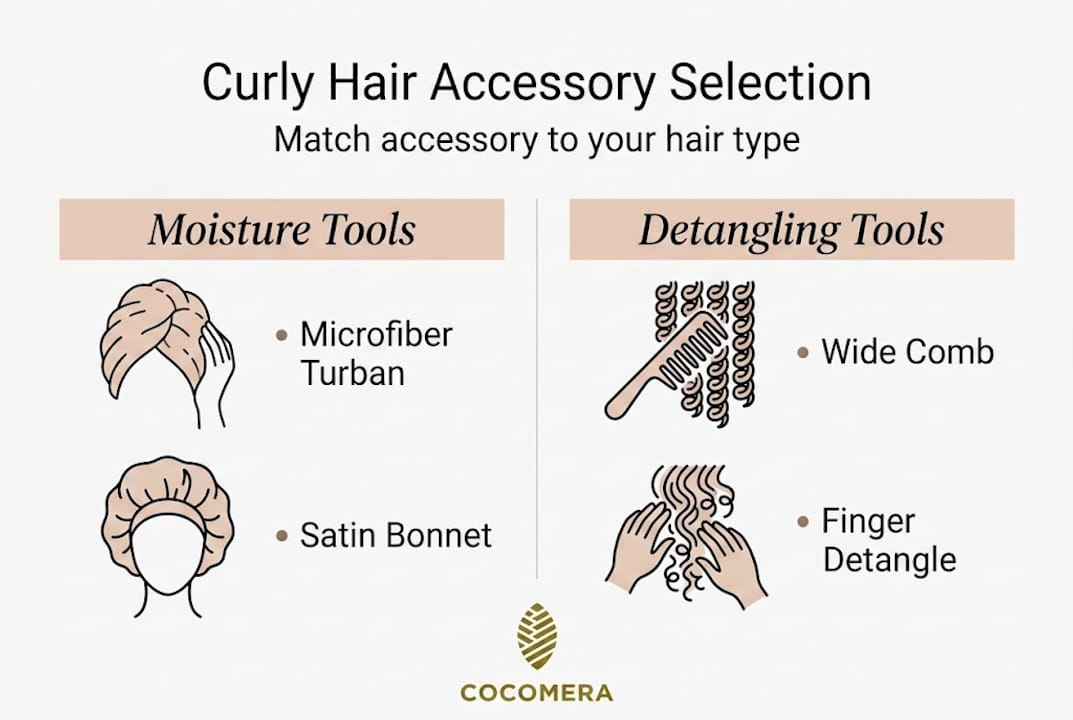
Microfiber towel or turban: Absorbs water without creating the friction that causes frizz and breakage. Standard cotton towels rough up the hair cuticle, which leads to puffiness and snapping.
-
Sectioning clips: Allow you to work through hair in manageable sections, reducing tangling and making product application more even.
-
Wide-tooth comb and afro comb: Essential for detangling without pulling apart the curl structure. The afro comb is especially useful for types 4a through 4c.
-
Detangling brush: A flexible-bristle brush that glides through knots on wet, conditioned hair. Detangling with combs on wet hair significantly reduces breakage compared to brushing dry.
-
Silk or satin bonnet and pillowcase: Protect curls while sleeping, locking in moisture and preventing the cotton pillowcase friction that causes overnight frizz.
-
Diffuser attachment: Distributes heat evenly during blow-drying to lift and define curl shape without blowing it apart.
Not every tool works equally well across all curl types. Here’s a quick guide:
| Accessory | Wavy (2a-2c) | Curly (3a-3c) | Coily (4a-4b) | Afro (4c) |
|---|---|---|---|---|
| Microfiber turban | ✓ Essential | ✓ Essential | ✓ Essential | ✓ Essential |
| Wide-tooth comb | ✓ Good | ✓ Good | ✓ Good | ✓ Good |
| Afro comb | Not needed | Optional | ✓ Recommended | ✓ Essential |
| Detangling brush | ✓ Great | ✓ Great | ✓ Good | Optional |
| Silk bonnet/pillowcase | ✓ Good | ✓ Essential | ✓ Essential | ✓ Essential |
| Diffuser | ✓ Great | ✓ Essential | ✓ Good | Optional |
| Sectioning clips | Optional | ✓ Recommended | ✓ Essential | ✓ Essential |
Using the best ingredients for textured hair alongside quality accessories creates a routine that truly supports your hair from the inside out.
Pro Tip: Always opt for silk or satin when it comes to any fabric that touches your curls overnight. Satin caps are more affordable than silk but deliver similar benefits: less friction, less moisture loss, and better curl retention by morning.
How to choose the best accessory for your hair needs
Once you know which accessories are available, it’s time to match them to your hair’s individual characteristics. One of the biggest factors that determines which tools work best for you is hair porosity.
Porosity describes how well your hair absorbs and holds onto moisture. Low-porosity hair has a tightly sealed cuticle, which means products and water sit on the surface longer. High-porosity hair has gaps in the cuticle that let moisture in fast but lose it just as quickly. Low-porosity hair benefits from lightweight accessories and fewer wash sessions, while high-porosity hair needs tools that help lock in hydration longer.
Understanding why hair needs moisture helps explain why accessories like microfiber turbans matter so much. They slow down moisture evaporation while styling is still in progress.
| Hair characteristic | Best accessories | Avoid |
|---|---|---|
| Low porosity | Light microfiber towel, wide-tooth comb | Heavy silicone-coated tools |
| High porosity | Silk bonnet, satin pillowcase, wet brush | Cotton anything overnight |
| Fine texture | Soft detangling brush, lightweight clip | Heavy clips that flatten roots |
| Thick/dense texture | Afro comb, large sectioning clips | Thin-tooth combs |
| Tight coils (4b/4c) | Afro comb, large butterfly clips | Paddle brushes |
Here’s how to identify your hair’s needs and pick the right tool:
-
Do the porosity test: Drop a clean strand into a glass of water. If it sinks quickly, you have high porosity. If it floats, you have low porosity.
-
Assess your density: Hold a section up. Can you see your scalp clearly? That’s lower density. Can’t see it at all? You have high density and need larger clips and wider combs.
-
Check your curl tightness: Looser waves need less detangling force. Tighter coils need more sectioning and more slip.
-
Match to your routine frequency: If you wash weekly, invest in a good bonnet. If you co-wash often, a quality microfiber turban becomes your best friend.
-
Start with one upgrade at a time: Replace the cotton towel first, then address overnight protection, then detangling tools.
If you want to dig into the science of best oils for curly hair based on your porosity, that’s a great next step after you’ve nailed your accessories. For those navigating the European climate, curly hair products for European curls offers targeted guidance for humidity and seasonal shifts.
Pro Tip: Always finger-detangle first with conditioner for extra slip before reaching for any tool. This single habit can cut your detangling time in half and reduce breakage noticeably.
Step-by-step: Using accessories in your routine
With the right accessory in hand, let’s walk through a complete curly hair routine using these tools. The order matters just as much as the tools themselves.
-
Rinse and plop: After your final rinse, lean forward and lower your hair into a microfiber towel laid flat. Wrap it into a turban shape. Leave it on for 10 to 20 minutes. This removes excess water without disrupting curl formation.
-
Section with clips: Divide your hair into four to six sections using large sectioning clips. This prevents tangles from forming while you work and makes product application more controlled.
-
Detangle with conditioner: Scrunch conditioner into each section and use your fingers first, then a wide-tooth comb or detangling brush from ends to roots. Never start at the root.
-
Apply styling products: While hair is still wet, scrunch in your curl cream or gel. This is where your styling products for curly hair do their best work. Wet hair holds product and defines curl shape far better than dry hair.
-
Diffuse on low heat: Attach the diffuser, cup sections of hair into the bowl, and lift toward the scalp. Work in short bursts rather than holding the heat in one spot. For coily hair wash day routines, air drying in sections can work even better.
-
Sleep with protection: Once dry, put on your silk or satin bonnet or sleep on a satin pillowcase. This step is non-negotiable for maintaining curl definition.
Warning: Never use a cotton towel to scrub wet curls, and never brush dry curly hair with a paddle brush or fine-tooth comb. Both actions break the curl bond and create frizz that cannot be reversed without rewetting.
For more curly hair care tips tailored to textured hair, there’s a full resource available that goes even deeper into routine building.
Pro Tip: Style always on soaking wet hair. The wetter the hair when product goes in, the better the clumping and definition once it dries. If it starts to feel dry before you’re done, spritz with water and keep going.
Troubleshooting: Common curly accessory mistakes and fixes
Adapting your routines means even the best tools can go wrong. Here’s how to handle the most frequent issues.
Common mistakes that damage textured hair:
-
Using regular cotton towels: High-friction fabrics increase dryness, frizz, and breakage. Fix: switch to microfiber immediately.
-
Skipping overnight protection: Cotton pillowcases absorb moisture and create friction all night. Fix: use a silk bonnet or satin pillowcase every night without exception.
-
Brushing hair while dry: This separates curl clumps and creates a frizzy, undefined look. Fix: only brush or comb on wet, conditioned hair.
-
Using the wrong clip type: Small metal clips or tight rubber bands can crease and break hair. Fix: use soft butterfly clips or seamless elastic ties.
-
Detangling from root to tip: Starting at the root causes knots to pile up. Fix: always start from the ends and work upward.
Here’s a hard truth: studies and hair experts consistently find that a significant portion of textured-hair breakage is linked not to chemical damage but to mechanical damage caused by rough handling and unsuitable accessories. Your best hair moisturizers for curly hair cannot compensate for friction damage happening every night or every wash day.
For styling support that holds curl shape without stiffness, explore curly styling gel options to pair with your improved accessory routine.
Pro Tip: Swap out harsh accessories gradually, not all at once. Start with the towel and the pillowcase. Once those habits are locked in, move to clips and combs. Gradual changes stick better than a full overhaul.
What most guides miss about curly hair accessories
Most curly hair guides spend 90% of their time on products. Which gel, which cream, which oil. And yes, products matter. But the real foundation of healthy, defined curls is technique and the tools you use to execute it. A $5 satin bonnet worn consistently will do more for your curl longevity than a $40 styling cream used with a rough cotton towel.
The most overlooked step in European curly routines is nightly protection. Climate here is drier in winter and more humid in summer, which means curls are constantly adjusting to moisture changes. Gentle sectioning clips and a silk bonnet act as a buffer against those shifts. They are not extras. They are essentials.
Chasing the latest trending tools is tempting. But consistent habits with simple accessories outperform sporadic use of fancy gadgets every time. Invest in building a repeatable process. Build your moisture foundation for textured hair and protect it nightly. That’s the real secret.
Next steps: Shop and refine your curly hair routine
Ready to upgrade your routine with the best accessories? Here’s where to start.
Cocomera brings together carefully curated accessories and products specifically chosen for wavy, curly, coily, and afro hair types. Every product in the store has been selected with textured hair needs in mind, so you don’t have to sort through shelves of products designed for straight hair.
Browse curly hair styling products to find gels and creams that work beautifully with your new accessory setup. Support your routine with hair masks for curly hair for deep conditioning between wash days. And finish your regimen with a targeted hair oil for curly hair to seal in moisture and add shine. The right accessories combined with the right products create the consistent, healthy results your curls deserve.
Frequently asked questions
What is the best accessory to define curls overnight?
A silk or satin bonnet or pillowcase is best for protecting and defining curls overnight by preventing frizz and locking in moisture without disrupting your curl pattern.
Should you use brushes on curly hair?
You should only use detangling brushes or wide-tooth combs on wet, conditioned hair to prevent breakage and preserve curl clumping.
How do I know if my hair needs more moisture or protein?
High-porosity hair needs frequent moisture and protein balance, while low-porosity hair benefits from lighter products and less frequent washing to avoid buildup.
Can I use regular towels with curly hair?
No. Regular towels cause friction and frizz; a microfiber towel or turban is the better choice because it absorbs water gently without roughing up the cuticle.
What if I have a mix of wavy and coily hair?
Choose accessories that suit the most fragile or coily sections, and adapt your routine zone by zone so that each part of your hair gets the handling it actually needs.