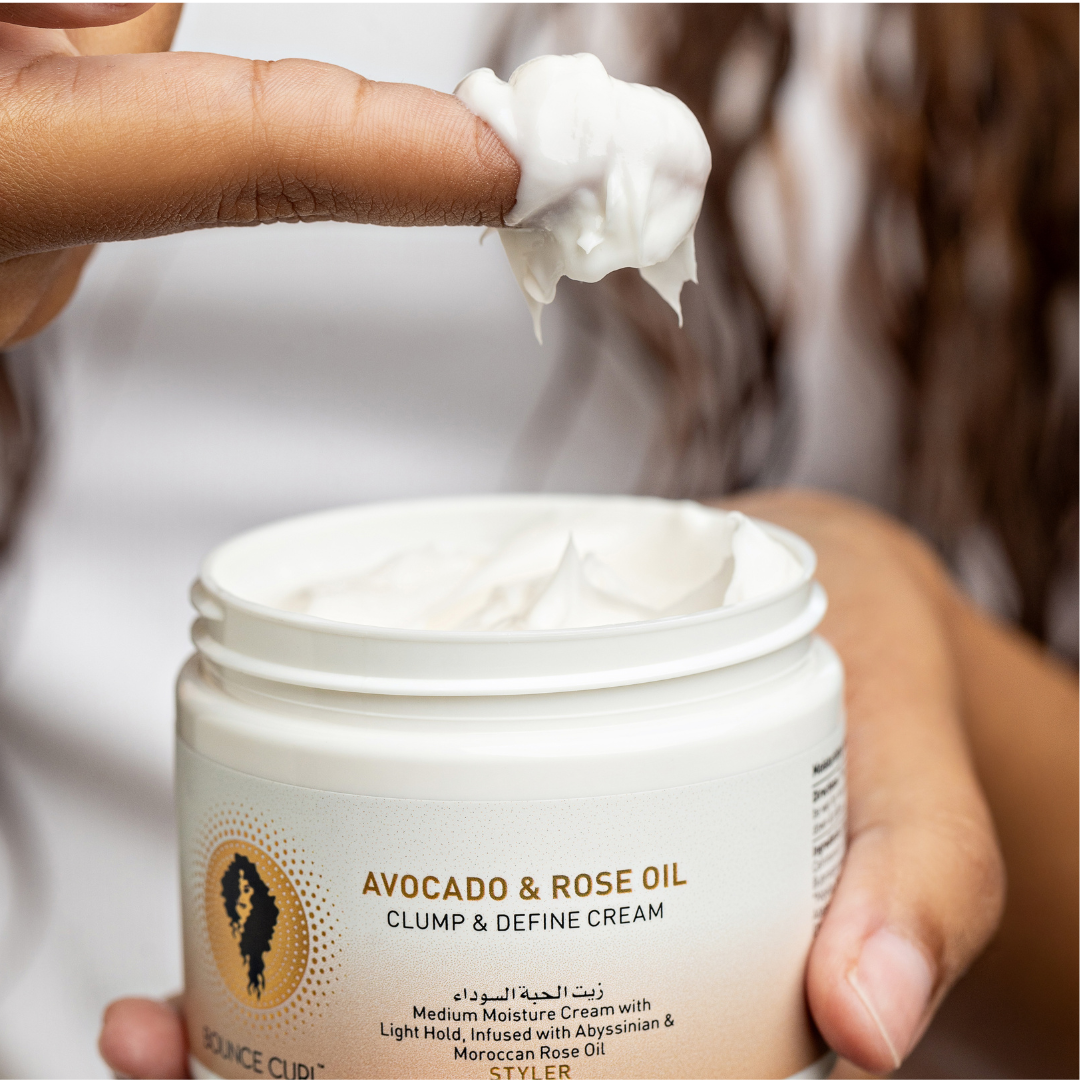
Most women with curly, coily, or wavy hair have a mixed feeling about hair gel. They remember stiff, helmet-like hair from childhood. But that was a long time ago. Modern gels are very different. The gel cast you see after drying is normal and helpful. Scrunch it out once your hair is dry. Then, you’ll see soft, bouncy, and defined curls with no crunch. This guide explains what gel does, how it compares to other products, and how to use it for your hair.fic curl type.
Table of Contents
Key Takeaways
| Point | Details |
|---|---|
| Gel locks in curl shape | Applying gel helps your curls stay defined and bouncy all day without stiff crunch. |
| Works for every curl type | Gels are effective for wavy, curly, coily, and afro hair, preventing frizz and flatness. |
| Technique matters most | For best results, apply gel evenly and scrunch out the cast after drying for soft, touchable curls. |
| Combine with moisture | Use gel together with a moisturizing base or leave-in to keep curls hydrated and happy. |
Understanding hair gel: What does it do for curls?
Hair gel is often blamed for stiffness, buildup, and damaged curls, but these issues result from poor formulas or technique, not the gel itself. To see why gel works well for textured hair, understand its core mechanism.
When applied to wet curls, gel coats each strand with a film-forming ingredient. As it dries, this coating hardens into the gel cast, acting like a flexible mold that protects curls from humidity, frizz, and disturbance. This helps curls retain their shape instead of puffing out or falling flat.
The gel cast works for you. Once dry, scrunching out the cast reveals defined, bouncy curls.
What makes gel different from other stylers?
Gel is water-based, containing polymers for structure and humectants that draw moisture into hair. Many gels support moisture retention, not dryness. Problems occur with gels high in alcohol or sulfates, which strip moisture. Always check ingredients.
Gels provide strong hold and definition through structure. Unlike creams that moisturize or oils that seal and add shine, gel offers stronger hold, suitable for all curl types including wavy (2), curly (3), coily (4A-4B), and afro (4C). Curls stay grouped and defined, not frizzy.
For wavy hair like 2A-C, gel can turn slight waves into well-defined, enhanced curls. For coily and afro textures, gel often is the only product strong enough to control shrinkage and keep curls elongated all day.
The cast is not the end product
This point deserves extra emphasis because it’s where so many people go wrong. They apply gel, let their hair dry, feel the crunchy cast, and assume the product failed. The cast is the midpoint, not the result. The cast protects the curl while it dries. Once your hair is completely dry, breaking the cast with a gentle scrunch using your palms releases the curl from its protective shell, revealing soft, hydrated, defined texture.
Pairing gel with the right moisturizers for curly hair underneath also makes a huge difference. Gel applied over a leave-in conditioner or a cream locks in that moisture while providing hold, so your curls never feel parched.
Comparing gels to other curly hair products
Understanding gel on its own is only half the picture. Knowing how it stacks up against creams, mousses, and oils helps you build a smarter routine tailored to your curl type.
| Product type | Hold level | Best for | Finish | Moisture level |
|---|---|---|---|---|
| Gel | Strong | All curl types | Defined, glossy | Medium (depends on formula) |
| Curl cream | Light to medium | Wavy and curly (2, 3) | Soft, natural | High |
| Mousse | Light to medium | Wavy and fine hair | Airy, volumized | Low to medium |
| Hair oil | None | All types (sealing) | Shiny, smooth | High (sealing) |
As you can see, each product plays a distinct role. Curl cream is a go-to for days when you want softness and some light shaping without a strong hold. It works beautifully on type 2 and type 3 curls that do not need a lot of help staying clumped. Mousse adds volume and light hold, making it a favorite for fine hair that easily gets weighed down. Oil is not a styling product at all but a finishing and sealing step.
Gel stands apart because it is the only product in this list that creates real, long-lasting definition with strong hold. Gel provides stronger hold than creams, making it the right choice for anyone whose curls fall flat by midday or whose frizz returns within hours.
How to layer products correctly
The most effective curl routines use multiple products in a specific order. Here is how it typically goes:
-
Leave-in conditioner (moisture foundation)
-
Curl cream or butter (optional, for added softness)
-
Gel (hold and definition on top)
This is called the LOC or LCG method in the curl community. Each layer builds on the last. The leave-in hydrates, the cream seals and softens, and the gel locks everything in place. When you apply gel last and over damp hair, the cast forms around already-moisturized strands, giving you definition without dryness.
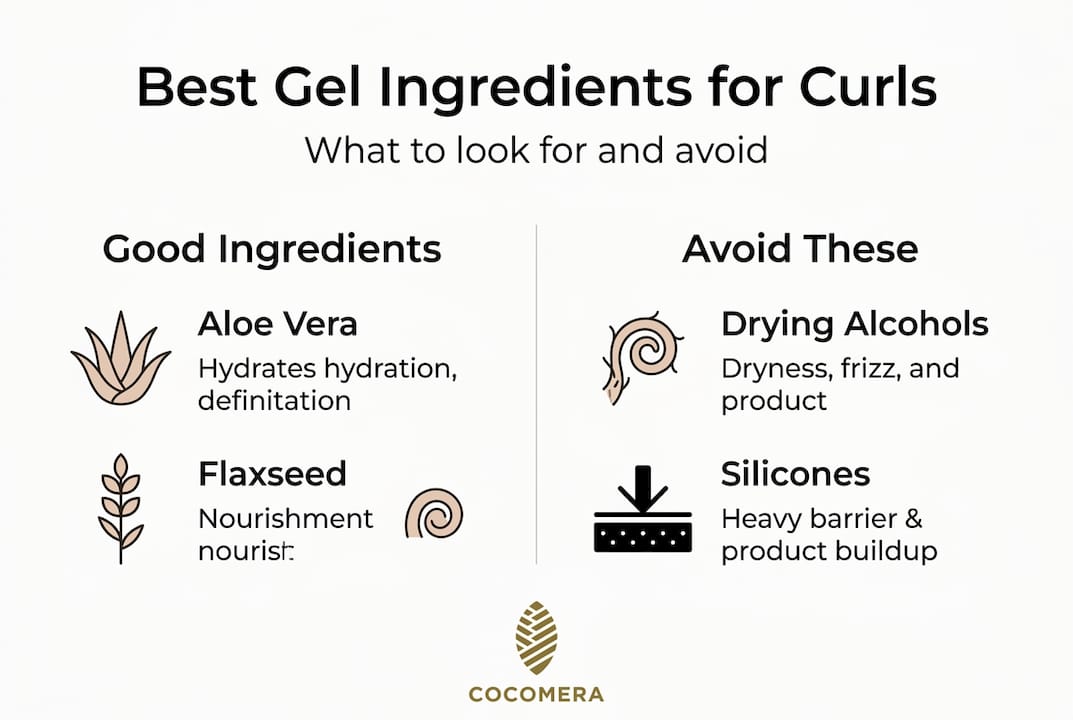
The best ingredients for textured hair in a gel include aloe vera, glycerin, flaxseed, and panthenol. Avoid anything with heavy alcohols like isopropyl alcohol high on the ingredient list, as those pull moisture out rather than locking it in.
Pro Tip: Mix a small amount of your favorite curl cream directly into your gel in your palm before applying it to your hair. This creates a custom hold-plus-moisture combo that works especially well for type 3 and type 4 curls needing both definition and softness.
Benefits of hair gel for different curl patterns
Hair gel is not a one-size-fits-all product in the sense that technique and formula matter for each texture. But its core benefits apply across every curl type, from loose waves to tight coils.
| Curl type | Primary benefit of gel | Key concern it addresses |
|---|---|---|
| Wavy (type 2) | Enhances wave pattern and reduces frizz | Flatness, lack of definition |
| Curly (type 3) | Keeps curls clumped, prevents shrinkage | Frizz, loss of shape through the day |
| Coily (type 4A/4B) | Defines curl pattern, adds moisture-lock | Dryness, shrinkage, fragility |
| Afro (type 4C) | Elongates and defines texture | Extreme shrinkage, dryness, breakage risk |
Gel provides stronger hold than creams for all these curl patterns, and the mechanism of preventing curls from falling flat or clumping randomly is what makes it so valuable for daily styling.
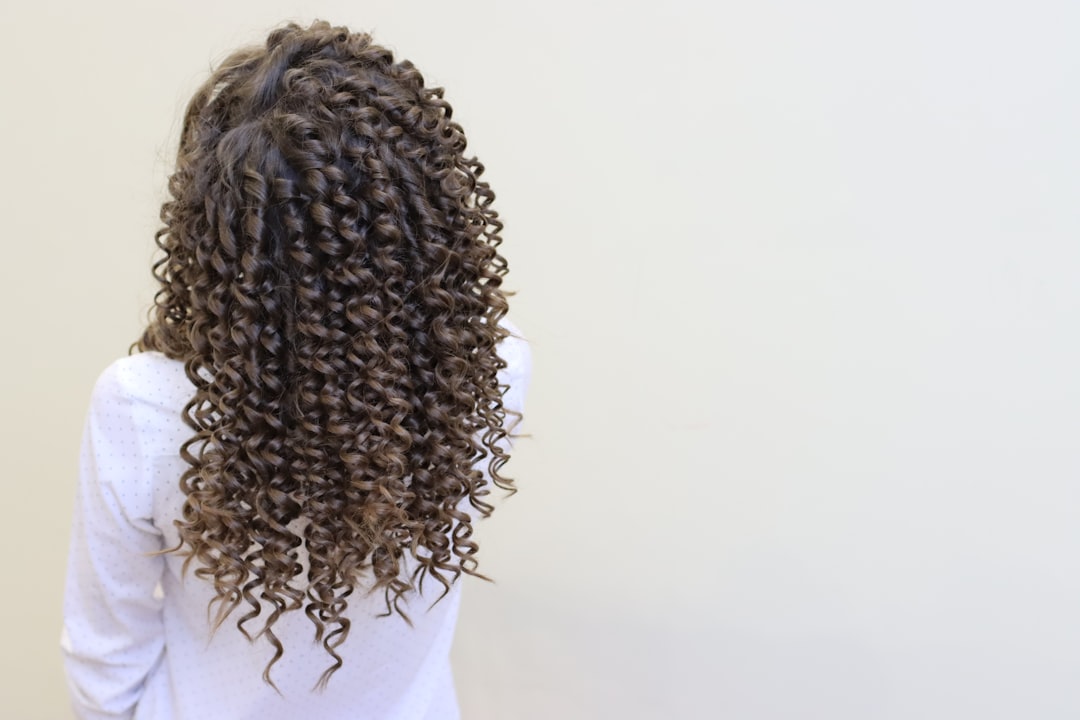
For type 4 textures especially, the shrinkage factor makes gel almost essential. Without a strong hold product, a type 4C curl that is six inches long when wet can shrink to less than two inches when dry. Gel applied in the right way can maintain significantly more length and definition throughout the day. You can find a full breakdown of this in our coily hair routines guide.
How to scrunch out the gel cast
The gel cast is on purpose and helps your curls. Here’s how to remove it the right way:
-
Wait until your hair is completely dry. If it’s even a little damp, it will frizz when you touch it.
-
Flip your head upside down to make your hair look fuller.
-
Put your hands around sections of your hair and gently scrunch upward toward your scalp.
-
Use a microfiber cloth or a little oil on your hands to help reduce friction while scrunching.
-
Keep doing this section by section until the crunch is gone and your curls feel soft and bouncy.
Common mistakes to avoid by hair type
For wavy hair: applying too much gel, which weighs waves down and creates a wet, flat result instead of defined waves. Use a smaller amount and emulsify it between your palms before applying.
For curly hair: not letting the cast fully dry before scrunching. This collapses the curl before it has set, leading to frizz and an undefined result.
For coily and afro hair: applying gel to hair that is not wet enough, which leads to uneven distribution and patchy hold. Always apply on soaking wet hair or section by section with a spray bottle nearby. More curly hair care tips on avoiding common pitfalls are worth bookmarking.
How to use gel for best results: Step-by-step
Knowing that gel works is one thing. Getting consistent results every wash day takes a reliable routine. Here is a practical step-by-step process for all curl types.
-
Start with soaking wet hair. Gel distributes most evenly and smoothly on wet hair. After rinsing out your conditioner, do not towel-dry. Work with hair that is dripping.
-
Apply your leave-in conditioner first. Section your hair and work the leave-in through each section, smoothing it from root to tip. This is your moisture layer.
-
Apply gel section by section. Take a generous amount of gel and rake it through one section at a time, then follow with a scrunching motion to encourage curl clumping. For type 4 textures, use the shingling method, where you smooth gel over small, individual curl groups.
-
Do not touch your hair while it dries. This is one of the biggest mistakes women make. Every time you touch or disturb your hair during drying, you break the forming cast and introduce frizz. Diffuse on low heat or air-dry completely undisturbed.
-
Diffuse if you are in a hurry or in a cold, humid climate. If you live in Northern Europe where winters are long and damp, air-drying can take hours and leave your curls exposed to humidity before they fully set. A diffuser attachment on low heat speeds up drying while maintaining the cast.
-
Scrunch out the cast once fully dry. Use the method outlined above. Be patient and gentle.
Pro Tip: If you live in a high-humidity area (which much of Northern and Western Europe is, especially in autumn and spring), look for gel products that contain anti-humidity ingredients like PVP or VP/VA copolymer. These polymers form a tighter, more humidity-resistant film that keeps curls defined even in rainy or muggy conditions.
Common application mistakes and how to fix them
Using too much gel is the most frequent problem. It leads to heavy, greasy-looking curls that feel sticky rather than defined. Start with less than you think you need, maybe a nickel-sized amount for each section, and add more only if needed.
Applying gel to dry or semi-dry hair is another common error. Gel needs water to activate and distribute properly. On dry hair, it just sits on top and creates flaking or buildup without providing any definition. Always apply to wet hair, or refresh with water first.
Finally, not using the right gel for your climate is worth mentioning specifically for readers in Europe. A lightweight gel that works beautifully in warm, dry summer weather might fail completely during a wet, gray November in Stockholm or Amsterdam. Having a stronger-hold, anti-humidity formula for rainy seasons and a lighter gel for dry months gives you year-round control. Explore the full range of styling products for curls to find the right match for each season.
Our perspective: Why hair gel is misunderstood — and what actually works
Many say, “I tried gel once and my hair was like cardboard.” We get it. But from years of working with textured hair, we’ve learned the issue wasn’t gel itself, but outdated formulas, wrong techniques, and the idea that you just apply gel and leave it.
Today’s gels are different. They contain conditioners, humectants, and botanicals that support curl health. The hold comes from smart polymers, not harsh alcohols. Technique is just as important as the product.
Interestingly, gel can simplify your curl routine. Instead of multiple products fighting frizz, a good gel used correctly can do it all—lock in moisture, define curls, and last all day without touchups.
If you’ve avoided gel out of fear of crunch, try it again with fresh eyes and a quality formula. Mastering technique and choosing the right gel both matter—and pay off.
Next steps: Find your perfect styling products
Ready to give gel a real chance? At Cocomera, we have carefully selected gels and stylers specifically suited for wavy, curly, coily, and afro textures. Whether you need a lightweight hold for loose waves or a powerful formula for tight coils, the range is built around what actually works for textured hair in real European climates.
You can browse the full collection of shop styling gels organized by curl type and hold level, making it straightforward to find your match without guesswork. If you want to support your styling with deeper care, our hair treatments are curated to strengthen, hydrate, and prep textured hair for better styling results. Your best curls are not far away.
Frequently asked questions
Does hair gel dry out curly hair?
Most modern gels are formulated to enhance curls without drying, especially when used with a good leave-in conditioner underneath. The gel cast is designed to protect moisture while curls set, not strip it.
What’s the difference between hair gel and curl cream?
Hair gel gives stronger hold and definition, while creams add moisture and subtle shaping. Gel provides stronger hold than creams, ideal for all curl patterns, and many use both together for the best results.
How do I prevent the “crunchy” feeling after using gel?
Wait until your hair is completely dry, then scrunch out the cast gently with your palms. Scrunching out gel after drying reveals soft, bouncy, defined curls without any crunch.
Can I use gel on fine or wavy hair?
Yes. Gel works for all curl patterns, including wavy type 2 hair. Just use a smaller amount for finer strands and distribute it evenly before scrunching to avoid weighing the waves down.