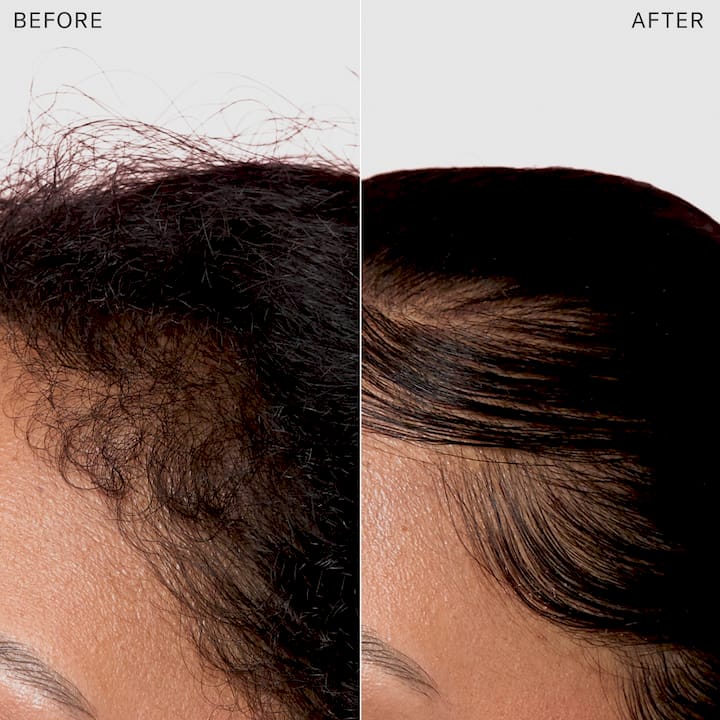
Your edges tell the full story of your hair health, and for women with textured hair, that story can get complicated fast. The delicate hairline strands that frame your face are also the most vulnerable to breakage, thinning, and long-term damage from overzealous styling. Standard hair care advice rarely addresses this reality, which is why so many people with wavy, curly, coily, and afro textures find themselves stuck between wanting beautifully laid edges and keeping them healthy. This guide breaks down exactly what your edges need, from moisture prep to product selection to nighttime protection, with practical steps built specifically for textured hair.
Table of Contents
Key Takeaways
| Point | Details |
|---|---|
| Prep with moisture | Always moisturize edges before styling to prevent dryness and breakage. |
| Choose the right gel | Select alcohol-free, nourishing edge controls suited for your hair texture. |
| Cleanse regularly | Keep edges clean and free of product buildup to avoid damage. |
| Match product to curl type | Use lighter gels for wavy hair and richer products for coils or afro textures. |
| Prioritize edge health | Give your edges regular breaks from styling to maintain long-term strength and fullness. |
Understand your edge health: Why edges are different
Before reaching for any gel or brush, it’s worth understanding what actually makes your edges so much more fragile than the rest of your hair.
The hair that grows along your hairline is naturally finer in diameter. These strands have fewer layers of the protective outer cuticle, which means they lose moisture faster, snap more easily under tension, and respond poorly to heavy product application. Add in the repeated mechanical stress of edge brushes, tight hairstyles, and daily styling, and you have a recipe for thinning that can become permanent over time.
Expert insight: Edges are most fragile due to their finer texture. Prioritizing health over aesthetics by using less product and allowing growth breaks is essential to avoiding permanent thinning.
The signs of edge stress are often subtle at first. Watch for these red flags:
-
Visible thinning along the hairline, temples, or nape
-
Excessive shedding when you wash or detangle
-
Persistent dryness that doesn’t resolve with moisturizer
-
Patchiness or gaps where hair once grew densely
Recognizing these signs early gives you the chance to course-correct before damage becomes irreversible. Tailoring your approach to healthy curly hair tips means putting edge health at the center of your routine rather than treating it as an afterthought.
A health-first mindset also means accepting that your edges don’t need to be styled every single day. Rest days, where you let your hairline breathe without product, gel, or brushes, are genuinely one of the most effective edge care strategies available.
Moisturizing matters: Prep before edge styling
Healthy edges start with moisture, not hold. Many people reach for edge gel before their hair has had any hydration at all, and this is one of the most common mistakes in textured hair care.
Moisturizing edges before applying edge control prevents dryness and breakage. The best approach is working on damp, not soaking wet, hair using lightweight lotions, leave-ins, or water sprays. This creates a moisture foundation that keeps strands supple and responsive to styling.
Here’s a step-by-step moisture prep routine you can build into your schedule:
-
Spritz edges lightly with water or a water-based mist to reactivate moisture without saturating the hairline.
-
Apply a leave-in conditioner in a small amount, focusing on the hairline and temple areas. Look for formulas with aloe vera or glycerin.
-
Massage gently with your fingertips to help the product absorb rather than just sitting on top.
-
Wait 1 to 2 minutes for the moisture to partially absorb before moving on to any styling product.
-
Seal lightly with a thin, non-greasy oil like jojoba or argan if your edges tend toward dryness.
Understanding the importance of moisture for textured hair goes deeper than just preventing dryness. Well-moisturized hair is more elastic and far less likely to snap under the tension of brushing or tight styling. For coily and afro textures especially, moisture retention is the single most important variable in edge health.
Pro Tip: Avoid thick butters or heavy oils as your first layer on edges. They can create a barrier that blocks the water-based moisture from penetrating the strand, which leaves you with buildup and none of the hydration benefit.
One key thing to look for in your products is the best moisturizing ingredients for textured hair: glycerin, aloe vera, panthenol, and hyaluronic acid all attract and hold water in the hair shaft, making them ideal for your pre-styling prep.
Applying edge control: Products and best techniques
Once your edges are prepped and about 70 to 80 percent dry, you’re ready for the actual styling step. This timing matters more than most people realize. Applying product to completely wet edges gives you less hold and more product migration. Applying to bone-dry edges can cause flaking. That middle window is where edge gels perform best.
The formula you choose is just as important as the technique. You want to apply thin layers of alcohol-free gel with nourishing ingredients like shea butter, flaxseed, honey, rosemary mint, or glycerin for hold without flaking or drying out your hair.
Here’s a quick comparison of edge-friendly products available in Europe:
| Product | Key ingredients | Best for | Hold level |
|---|---|---|---|
| Mielle Rosemary Mint Strengthening Edge Gel | Rosemary, mint, biotin | All textured types | Medium |
| SheaMoisture Coconut & Hibiscus Flaxseed Edge Gel | Flaxseed, coconut oil | Curly and coily hair | Medium to firm |
| Cantu Shea Butter Edge Stay Gel | Shea butter, castor oil | Coily and afro textures | Firm |
| The Doux Big Poppa Defining Gel | Wheat protein, glycerin | Wavy and curly hair | Light to medium |
For application technique, less is genuinely more. Start with a pea-sized amount and work it through your edges with your fingertips before using a brush. Over-application leads to the white cast, flaking, and buildup that many people mistake for a product flaw. The product itself is usually fine; the issue is quantity.
Key technique tips:
-
Use a soft-bristle edge brush rather than a stiff-bristle toothbrush, which causes too much friction on fine hairline strands
-
Lay in the direction of hair growth, not against it, to minimize tension
-
Apply a scarf for 5 to 10 minutes after styling to set edges without heat
-
Avoid reapplying throughout the day, which layers product and contributes to buildup
For those who want a stronger hold option, the KeraCare edge gel is worth exploring for its balance of hold and moisture. You can also look at best styling gels in Europe for a wider breakdown of options suited to different textured hair needs.
Pro Tip: If you’re choosing products for edges and you’re unsure where to start, always begin with a lighter hold formula. You can build up to firmer products as needed, but starting heavy makes it harder to course-correct without damaging your edges in the process.
Cleanse and protect: Avoid buildup and breakage
Here’s where many edge care routines fall apart. People invest in good products and perfect their application, but skip the cleansing step that keeps it all working long term.
Product buildup on the edges isn’t just a cosmetic issue. Cleansing edges regularly with clarifying shampoos or wipes removes buildup that can cause follicle congestion and shedding. When gel, oil, and styling product accumulate at the hairline over days or weeks, they can clog follicles and slow or halt new growth. This is one of the least-discussed causes of hairline thinning.
Key protection and cleansing habits:
-
Cleanse the hairline 1 to 2 times weekly with a gentle clarifying or sulfate-free shampoo, even if you’re not washing your full head
-
Use damp cotton pads or cleansing wipes on styling days to remove old product before reapplying
-
Deep condition your edges weekly alongside the rest of your hair, and let the conditioner sit for at least 5 minutes
-
Rinse the hairline thoroughly because product that stays behind in the follicle area is a direct route to congestion
-
Protect edges at night with a silk or satin scarf, bonnet, or pillowcase to eliminate the friction that causes overnight breakage
Nighttime protection deserves more attention than it typically gets. Cotton pillowcases draw moisture out of your hair and create friction that snaps fine strands at the hairline. Switching to satin is one of the simplest, most cost-effective moves you can make for edge health.
If you’re looking for structured guidance on how to build coily hair cleansing routines that work week to week, that’s a great place to establish healthy habits. Pairing that with targeted treatments for scalp and edges can address any existing stress or thinning at the hairline directly.
Customize for your curl type: Wavy, curly, coily, and afro hair
Edge care is not one-size-fits-all. What works perfectly for a Type 4c afro texture will weigh down and disrupt the pattern of a Type 2b wave. Understanding your specific hair type is the starting point for building a routine that actually delivers.
For wavy hair (Type 2), lightweight products prevent the hairline from looking flat or greasy. For coily and afro textures (Type 4), richer formulas with oils provide the moisture retention these hair types need without drying out mid-day.
| Hair type | Texture characteristics | Recommended edge approach | Product weight |
|---|---|---|---|
| Wavy (Type 2) | Fine to medium, looser S-pattern | Light hold, water-based gel | Lightweight |
| Curly (Type 3) | Springy coils, medium density | Moisture plus medium hold | Medium |
| Coily (Type 4a/4b) | Dense tight coils, high shrinkage | Richer gel with oils | Medium to heavy |
| Afro (Type 4c) | Very tight z-pattern, lowest porosity | Oil-rich creamy edge gel | Heavy |
Additional tips by texture:
-
Wavy hair benefits from wavy hair care routines that keep the hairline looking natural and defined rather than stiff
-
Curly Type 3 hair can combine a leave-in conditioner with a medium-hold gel for definition that lasts
-
Coily and afro textures often need a second application of moisture mid-week, especially in dry Nordic climates
-
High porosity hair of any type loses moisture faster and benefits from a sealing oil on top of leave-in before gel application
Exploring curly hair styling products built specifically for these hair types makes it easier to narrow down what will genuinely work for your texture rather than guessing your way through a lineup of products formulated for straighter hair.
Edge care myths: What most guides get wrong
Most edge care content focuses on how to achieve sleek, perfect edges for a day. What it rarely addresses is the long-term cost of that approach, and this is where we think the real conversation needs to happen.
The biggest myth in edge care is that more product equals better results. In reality, layering gel over gel, day after day, without proper cleansing, is one of the most reliable ways to thin your edges over time. Buildup restricts follicle activity. Repeated tension from daily brushing stresses the already-fine hairline strands. The result is gradual thinning that often gets blamed on genetics when it’s actually a product and technique problem.
Another common misconception is that edge gel alone can maintain healthy edges. It can’t. Gel is a styling tool, not a treatment. True edge health comes from consistent moisture, gentle cleansing, protective nighttime habits, and regular breaks from heavy styling. The best thing you can do for your edges some weeks is nothing at all.
We also see a lot of advice around aggressive brushing to achieve a super-sleek look. For fine-textured hairlines, that level of mechanical stress adds up. Applying to 70 to 80 percent dry clean edges gives you better hold with less product, which means less brushing, less buildup, and less long-term damage.
Ingredient quality is underrated in most edge care discussions. A gel with drying alcohols and no hydrating agents will always compromise your edges over time, no matter how well you apply it. Choosing products wisely based on what’s actually in the formula, not just how popular the product is, is what separates a routine that builds hair health from one that quietly degrades it.
The most effective edge routines aren’t the most elaborate ones. They’re the most consistent ones, built on moisture, gentle application, regular cleansing, and enough rest days to let your hairline recover and grow.
Healthy edges start with the right products
Everything covered in this guide comes down to one practical reality: your results depend on using products that are actually formulated for textured hair and edge care specifically.
At Cocomera, we curate a selection from brands that understand textured hair from the inside out. Our curly hair styling collection includes edge gels, creams, and styling tools chosen for their performance on wavy, curly, coily, and afro textures, without the guesswork of sifting through products formulated for straight hair. We also carry dedicated treatments for curly hair that address scalp health, strand strengthening, and the specific needs of a stressed or thinning hairline. Based in Sweden and shipping across Europe, we make it easier to find what your edges actually need, all in one place.
Frequently asked questions
How often should I lay my edges to avoid damage?
Limiting edge styling to a few times per week reduces tension and prevents thinning. Daily styling of fine hairline strands can cause breakage that becomes permanent over time.
What ingredients should I avoid in edge control gel?
Avoid alcohol, mineral oil, and strong drying agents, which strip moisture and cause brittleness. Instead, look for nourishing ingredients like shea butter, glycerin, flaxseed, and honey for hold that keeps your edges healthy.
Why do my edges turn white after using gel?
A white cast usually means too much product was applied, or it was applied on dirty hair with existing buildup. Clean edges before styling and use the thinnest possible layer of gel for a clean, flake-free finish.
What’s the best way to protect edges at night?
Wrapping your edges with a silk or satin scarf or sleeping on a satin pillowcase eliminates the friction that causes overnight breakage. Cotton fabric draws moisture from fine hairline strands and significantly increases breakage risk over time.
How do I pick the right edge product for my curl type?
Wavy hair needs light, water-based gels to avoid weighing down the hairline, while coily and afro textures need richer formulas with oils for moisture retention and flexible hold throughout the day.