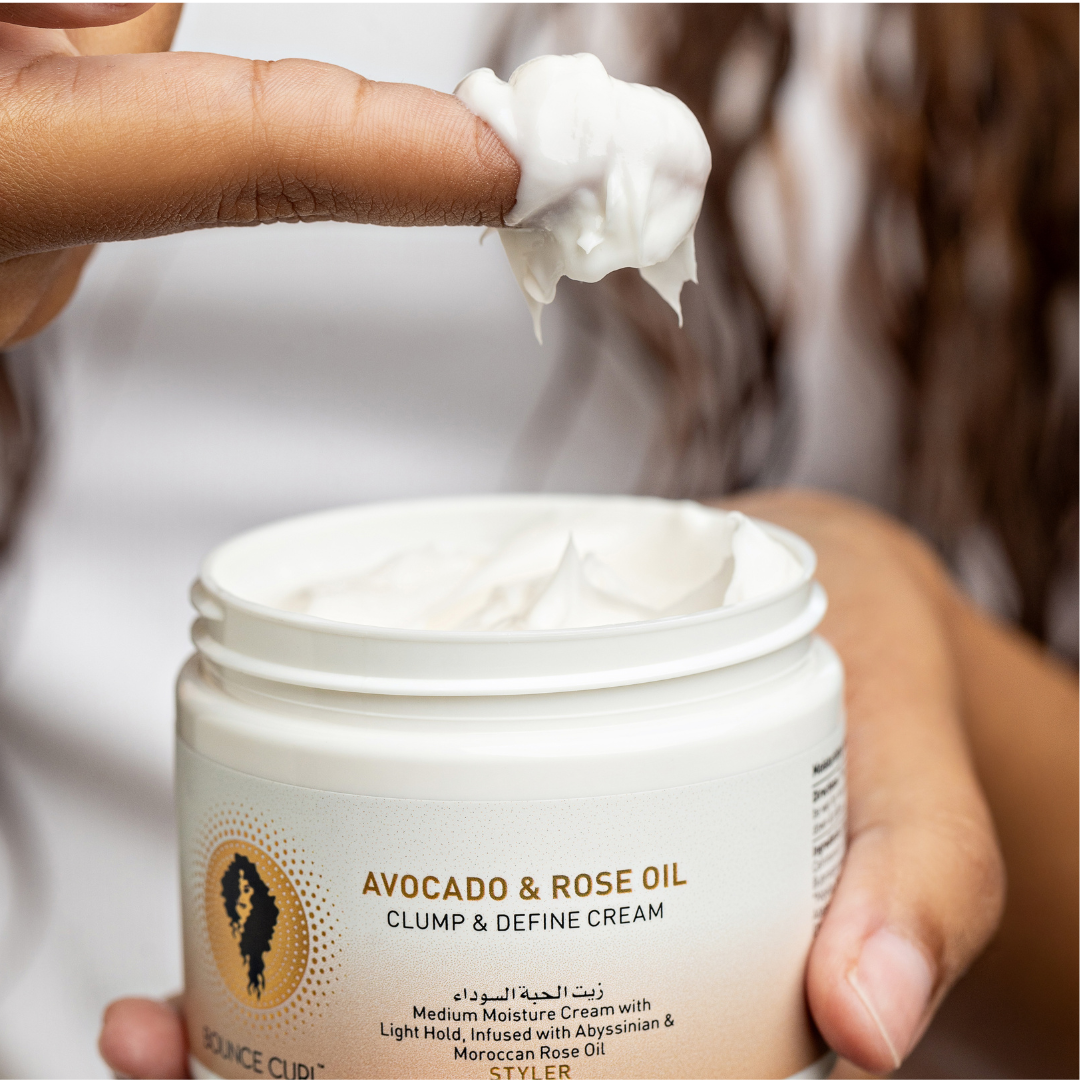
Many curl, coily, and afro hair myths are based on oversimplified rules that ignore individual differences.
Effective hair care relies on understanding your scalp and hair’s specific needs rather than following blanket advice or trends.
If you have curly, coily, or afro hair, you have probably received conflicting advice from every direction — your stylist says one thing, Instagram says another, and some decades-old “rule” your grandmother swore by sits somewhere in the middle. The result? A routine built on half-truths, a bathroom shelf full of products that may or may not be doing anything useful, and a creeping doubt that your hair is somehow the problem. It is not. The problem is the myths. This article cuts through the noise, challenges the rules that have been holding your curls back, and gives you a clear, science-informed way to think about your hair care.
Table of Contents
-
Myths about cleansing: Shampoo, dry shampoo, and washing frequency
-
Curly styling myths: Technique, porosity, and the rise of “plopping”
-
A realistic guide: Why blanket rules miss the mark for curly, coily, and afro hair
Key Takeaways
| Point | Details |
|---|---|
| Myths need context | Most curly hair rules have important exceptions—understand your hair’s needs before following advice. |
| Cleansing matters most | A clean, healthy scalp prevents buildup and supports growth in all curl types. |
| Sulfates: not always bad | Use sulfate or sulfate-free shampoos based on your scalp and styling needs, not just curl pattern. |
| Technique must be customized | Popular methods like plopping work best when adjusted for your hair’s porosity and texture. |
| Track your results | Stay flexible—adapt your routine as your hair and scalp change over time. |
How to spot a curly hair myth: Key criteria
To spot a hair myth, start with clarity. Not all curl advice is equal—some is science-based, some marketing, and some recycled wisdom. Learning to tell them apart is key for textured hair.
The biggest red flag? Blanket rules like “never use shampoo,” “always co-wash,” or “seal with oil.” Genuine curly hair tips are more nuanced, considering hair type, scalp, climate, and lifestyle.
Look for mechanistic claims—explanations of how hair or scalp works, not just what to do. Prioritize advice about scalp and fiber behavior, like repairability or buildup effects, over broad “always/never” rules, especially for diverse textures.
Use this checklist to evaluate curl advice:
-
Does it explain why something works?
-
Does it recognize results vary by hair or scalp?
-
Does it explain ingredient functions when recommending products?
-
Is it based solely on before-and-after photos?
-
Does it treat all “curly hair” as one type?
If the advice fails most of these checks, treat it with healthy skepticism. The best guidance will always encourage you to observe your own hair’s reactions rather than follow a script.
Pro Tip: When you read hair care advice, ask yourself “for whom does this work?” If there is no answer, the advice probably is not meant for your specific curl type, scalp, or climate.
Myths about cleansing: Shampoo, dry shampoo, and washing frequency
Now that you have myth-spotting tools, let’s test them on how to properly wash curly and coily hair.
Cleansing myths are common and can harm scalps. Here are the most frequent ones.
Myth 1: Shampoo can repair damaged hair. This is false. Shampoo cleanses by removing dirt, oil, and residue. It doesn’t repair proteins, bonds, or moisture—those are fixed by conditioners and treatments. Claims that shampoo “fixes” split ends are marketing, not science.
Myth 2: Dry shampoo can replace washing. Dry shampoo extends between washes but isn’t a substitute. Overuse can cause buildup, clog follicles, and worsen scalp issues, especially for afro and coily hair where buildup is common.
Myth 3: Washing less is better for curly hair. While some advocate infrequent washing, scalp hygiene is crucial. Too little washing can cause buildup, dandruff, and hair loss. Experts recommend regular washing based on your oil production and product use. For afro hair, not washing can lead to buildup and scalp problems that hinder healthy growth.
| Scalp type | Styling product use | Recommended wash frequency |
|---|---|---|
| Oily | Heavy | Every 3 to 5 days |
| Normal | Moderate | Once or twice weekly |
| Dry | Light | Once weekly |
| Sensitive | Varies | Once weekly with gentle formula |
“Your scalp is skin. Would you go two weeks without washing your face? Apply the same logic to scalp care, and adjust from there.”
Building healthy wash day routines is not about washing less or more. It is about washing appropriately for your scalp and lifestyle. If you use heavy butters, gels, or oils regularly, your scalp needs more frequent cleansing than someone who uses lightweight leave-ins. You can follow up with a quality leave-in conditioner option to rehydrate strands post-wash without stripping them further.
And if you are still working through common Afro hair routine myths, know that afro hair absolutely does grow, and that scalp health is one of the biggest factors supporting that growth.
Pro Tip: Listen to your scalp. Itchiness, flaking, and tenderness are all signs that your current wash schedule needs adjustment, either more frequent or with a different formula.
Sulfate-free shampoo: Is it always better for curls?
Next, let’s address a common debate: does “sulfate-free” shampoo always mean better for curls?
The short answer is no. This myth causes frustration because it’s so ingrained in curly communities. While many believe sulfates are bad for curly hair, the truth is more complex.
The sulfate-free myth is oversimplified. Your cleansing needs depend on your scalp’s oil, products used, and activity level. Those using heavy styling products may need occasional sulfate-based shampoos to remove buildup and maintain scalp health.
Here is a side-by-side comparison to help you decide:
| Scenario | Best cleansing approach |
|---|---|
| Heavy product use (butters, gels, oils) | Sulfate-based clarifying wash periodically |
| Color-treated or chemically relaxed hair | Sulfate-free, gentle formula |
| Dry or very porous hair | Sulfate-free with moisturizing additives |
| Oily scalp with fine curls | Low-sulfate or mild sulfate formula |
| Occasional swimmer or heavy exerciser | Alternating sulfate and sulfate-free |
If you are still unsure what works for your pattern and porosity, a helpful starting point is choosing products for European curls, which accounts for climate factors like hard water and seasonal humidity shifts that directly affect how well any shampoo performs. You should also think about the oils you use in your routine, since heavier oils require stronger cleansing. Our guide on best curly hair oils breaks down which ones work best for different textures.
If you need a reset, browsing clarifying shampoos specifically formulated for textured hair is a good place to start. These remove buildup without completely stripping the hair of its natural oils when used correctly.
Pro Tip: Rotate your shampoo formulas seasonally. In summer, when sweat and humidity increase, a slightly stronger cleanse makes sense. In winter, when hair tends to be drier, dial back to a sulfate-free or low-sulfate option.
Curly styling myths: Technique, porosity, and the rise of “plopping”
Washing and ingredient myths aside, curly styling “hacks” are all the rage. Let us break down what really works, and for whom, in the world of plopping and beyond.
Plopping is one of those techniques that swept through curly communities and seemed to promise perfect results for everyone. The basic idea is smart: apply styling products to very wet hair and then use a fabric (often a cotton T-shirt or microfiber towel) to wrap and dry the hair in a way that reduces frizz and preserves curl shape. It genuinely works for many people. But it does not work for everyone, and here is why.
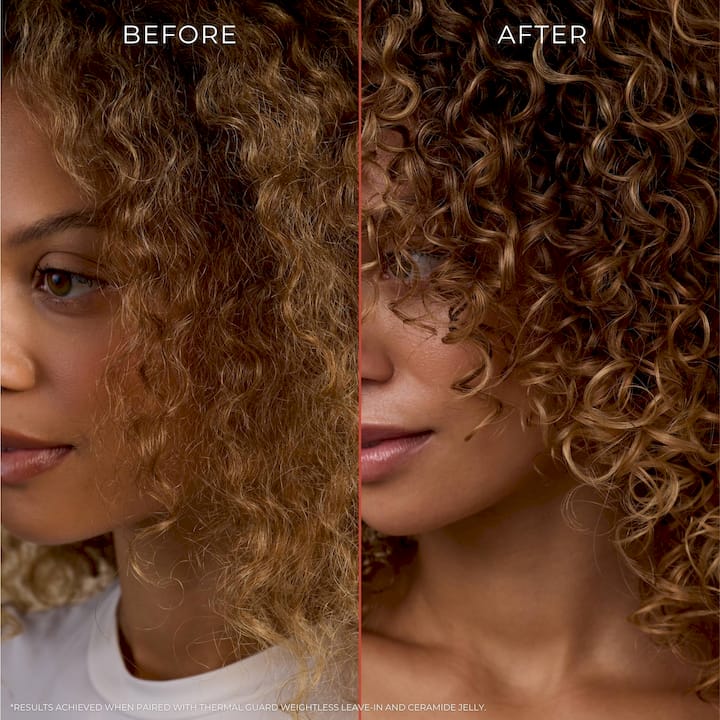
Styling technique myths fail when they ignore factors like porosity and how products interact during the drying process. Porosity refers to how easily your hair absorbs and retains moisture. Low-porosity hair (where the cuticle is tightly closed) absorbs water slowly and can become oversaturated easily, meaning plopping for too long can cause flat, lifeless curls. High-porosity hair (where the cuticle is more open) absorbs water fast but loses it just as quickly, so plopping helps seal in moisture. Understanding your own hair’s porosity is what makes the difference between a technique that works and one that leaves you confused about why your curls are not cooperating.
Here is a step-by-step approach to testing plopping variations for your hair:
-
Start by assessing your hair’s porosity using a float test or simply observing how quickly it absorbs water.
-
Apply styling products to soaking-wet hair, not damp hair.
-
Choose your fabric: microfiber or a soft cotton T-shirt for fine curls, slightly more absorbent options for thick, dense coils.
-
Plop for 10 minutes and check the results before committing to longer sessions.
-
Adjust plop duration based on whether your curls feel defined or flat after drying.
-
Track results across two to four wash days before drawing conclusions.
You can also read our hair moisture guide for a deeper look at how moisture levels affect technique outcomes. For those with more than one curl pattern on their head, our multi-texture hair care guide addresses how to adapt styling methods for multiple textures at once. Using the right leave-in conditioners for frizz control before plopping also makes a measurable difference in your final result.
Pro Tip: Try a cotton T-shirt or microfiber towel over terry cloth bath towels. The rougher surface of terry cloth disrupts the curl pattern and creates frizz before the hair even begins to dry.
A realistic guide: Why blanket rules miss the mark for curly, coily, and afro hair
All these myths and debates can make hair care feel overwhelming. Here is a realistic perspective on what actually delivers results for real people.
The curly hair community has done enormous good in creating awareness, building vocabulary, and pushing back against the idea that textured hair is “difficult.” But somewhere along the way, the community also developed its own rigid rules. Co-wash only. No sulfates, ever. Never touch your hair while it dries. These rules replaced one kind of overwhelm with another.
Here is what we have seen hold true across hundreds of hair types and routines: your hair changes. Not just year to year, but season to season. A routine that worked beautifully in the humid summer months in Stockholm or Paris may completely fall apart in dry winter air. The products that gave you amazing definition in your twenties may feel heavy and suffocating as your hair’s porosity or density shifts with age or hormonal changes.
The cleansing strength should match your actual buildup and oil production, not your curl pattern. This is one of the most important reframes in curly hair care. A tightly coiled 4C pattern does not automatically need a sulfate-free shampoo if that person uses heavy products and has an oily scalp. Conversely, a wavy 2B pattern does not automatically need a strong sulfate clarifier if the scalp is dry. Curl pattern alone tells you very little about cleansing needs.
What does tell you? Your scalp. Your product habits. Your environment. These are the variables that should drive your routine decisions. Learning what textured hair ingredients actually do in the hair gives you the tools to read a label and make a judgment, rather than relying on someone else’s verdict.
Personal experimentation, tracked and reflected upon across multiple wash days, will always outperform the latest viral Instagram routine. Give new approaches at least four wash days before writing them off or crowning them as winners. Note how your scalp feels, not just how your curls look.
Find your best curl care essentials
Ready to revamp your routine and try what actually works? Here is where to start your journey with confidence.
At Cocomera, we have curated a carefully selected range of products built for type 2, 3, and 4 hair textures, so you do not have to wade through formulas designed for straight hair and hope for the best. Whether you are looking to build a myth-free cleansing ritual or finally nail your styling routine, there is a starting point here for every curl.

Browse our full range of styling products for curly hair to find gels, creams, and curl-defining formulas suited to your texture and porosity. If your hair needs a reset or deeper support, explore our treatments for curly hair collection, which includes masks and bond-support treatments that actually address damage rather than just masking it. And for those ready to rethink their shampoo, our strengthening shampoo for curly hair range offers options that cleanse effectively without leaving your strands feeling stripped.
Frequently asked questions
How often should I wash my curly hair?
Wash your hair based on scalp oiliness and product use, which may range from every few days to weekly; trichology sources emphasize scalp hygiene over following a fixed schedule.
Can I just use dry shampoo instead of washing curly hair?
Dry shampoo should not replace regular washing because repeated use can worsen scalp problems; it is a between-wash tool only, not a cleansing substitute, as common haircare myths often get this wrong.
Do sulfates always harm curly or afro hair?
No, sulfate-free is oversimplified as a blanket rule; people with heavy product buildup or oily scalps may actually benefit from occasional sulfate cleansing, while dry or sensitive hair does best with gentle formulas.
Are styling techniques like “plopping” suitable for all curl types?
Plopping benefits most curls but works best when you adapt the duration and fabric to your hair’s porosity, since applying products to very wet hair and controlling how the hair dries is what actually drives results.