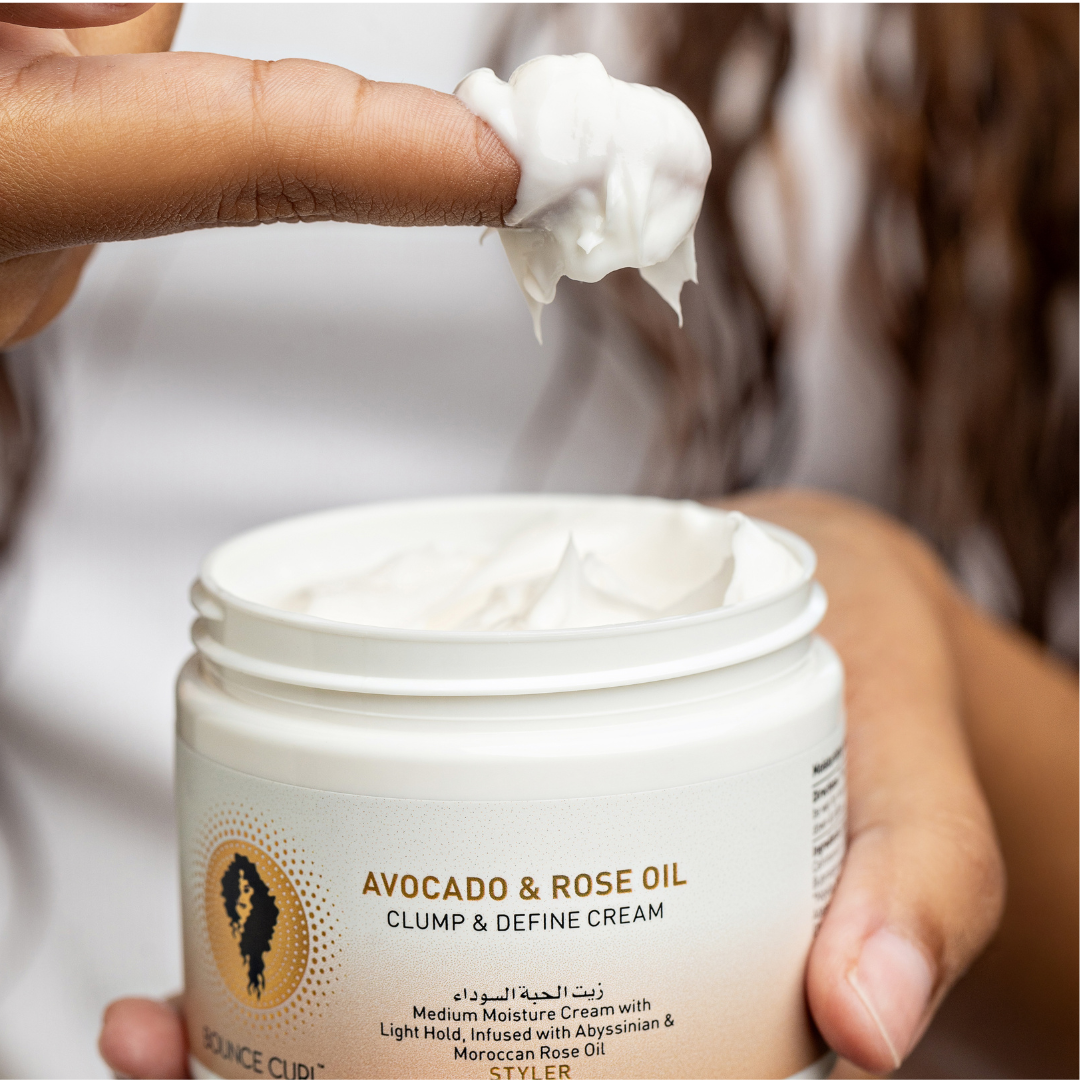
Curly, coily, and afro hair looks strong. The tight coils, the volume, the density — it all signals resilience. But the biology tells a different story. Textured hair is structurally prone to dryness and breakage in ways that straight hair simply isn’t. This isn’t a flaw — it’s a structural reality that changes everything about how you should care for your hair. Natural hair care isn’t a trend or a lifestyle statement. It’s a response to real biological needs. This guide walks you through the science, the risks, the best ingredients, and how to build a routine that actually works for your curl type.
Table of Contents
- The science behind textured hair and moisture
- Why natural over chemical: risks and rewards
- Nature’s ingredients: How oils and butters nourish textured hair
- Porosity, product choice, and tailored natural routines
- Common myths and realities of natural hair care
- Why the ‘natural’ conversation for textured hair is about empowerment, not just health
- Explore natural hair care solutions from Cocomera
- Frequently asked questions
Key Takeaways
| Point | Details |
|---|---|
| Textured hair needs moisture | Wavy, curly, coily, and afro hair lose moisture more easily due to their structure. |
| Natural care reduces risks | Swapping chemicals for natural products helps prevent breakage and health issues. |
| Ingredients matter | Choose tested oils and butters over synthetic or unverified ‘natural’ remedies. |
| Routines must be tailored | Porosity and texture determine the best oils, products, and methods for your hair. |
The science behind textured hair and moisture
Let’s start with the shape. Straight hair has a round, even shaft that lets sebum (your scalp’s natural oil) travel easily from root to tip. Textured hair is different. The shaft is elliptical and twists along its length, which means sebum distribution from roots to ends is physically blocked. No matter how healthy your scalp is, the oil just can’t reach the lengths of your coils.
This creates a cascade of problems:
- Chronic dryness at the mid-lengths and ends, even with regular washing
- Increased brittleness because dry hair is less elastic and snaps under tension
- Higher breakage risk at every bend and curl, where the hair shaft is under the most mechanical stress
- Cuticle lifting along the twists, leaving the inner cortex exposed to damage
The tighter the curl, the more pronounced these effects. A type 4c coil has far more bends per inch than a type 2b wave, which means more friction points and more opportunities for the cuticle to lift and break.
“The structural complexity of afro-textured hair creates unique vulnerability that requires a fundamentally different approach to moisture and protection.”
This is why the essential guide to moisture for curls isn’t optional reading — it’s foundational. Moisture isn’t a luxury for textured hair. It’s maintenance. And if you have multi-textured hair across different sections of your head, the challenge multiplies because each zone has its own needs.
Understanding this biology is the first step. Once you see why textured hair behaves the way it does, every product choice and routine decision starts to make more sense.
Why natural over chemical: risks and rewards
Understanding the fragility helps us see why the choice of hair care products really matters. Chemical treatments promise convenience. Relaxers straighten, sulfate shampoos lather, and synthetic conditioners coat. But for textured hair, the tradeoffs are steep.
Chemical relaxers are tied to breakage, hair loss, and elevated health risks including certain cancers. Harvard researchers found that women who use chemical straighteners face significantly higher risks of hormone-related conditions. These aren’t fringe findings. They’re published, peer-reviewed data.
| Feature | Natural hair care | Chemical-based care |
|---|---|---|
| Scalp safety | High | Moderate to low |
| Breakage risk | Low | High with regular use |
| Moisture retention | Supports natural balance | Often strips moisture |
| Long-term hair health | Preserves structure | Can permanently alter shaft |
| Health risk profile | Minimal | Elevated with relaxers/sulfates |
Natural routines skip the harsh surfactants (cleansing agents) that strip your scalp’s protective barrier. They avoid formaldehyde-releasing preservatives and synthetic fragrances that accumulate in your system. And they work with your hair’s biology instead of forcing it into a different shape.
Pro Tip: If you’re transitioning away from chemical treatments, don’t try to detox everything at once. Swap one product at a time, starting with your shampoo. This gives your scalp time to rebalance without shocking it.
For a closer look at what clean, pure solutions for textured hair actually look like in practice, single-ingredient approaches offer a great starting point. Less guessing, more results.
Nature’s ingredients: How oils and butters nourish textured hair
But it’s not just what you avoid — it’s what you add. Natural oils are not all the same. Some sit on the surface and seal moisture in. Others actually penetrate the hair shaft and work from the inside out. That distinction matters enormously for textured hair.
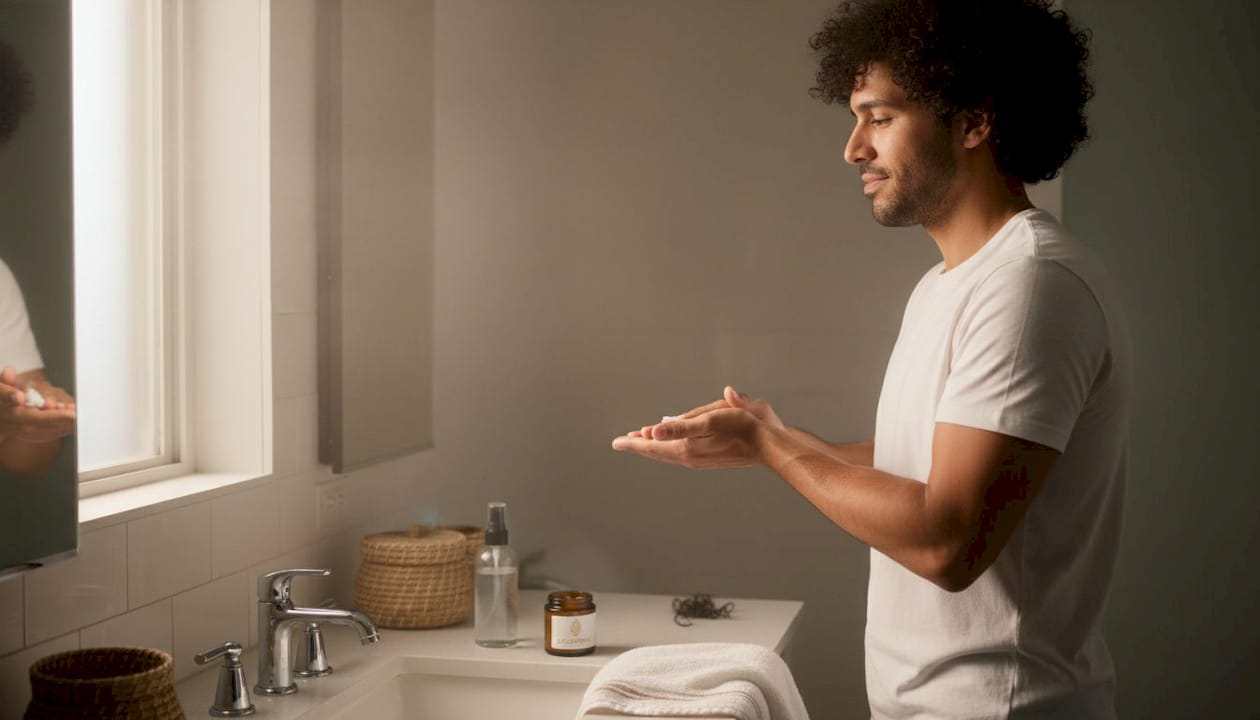
Natural oils penetrate, protect, and repair textured hair far better than synthetic alternatives. Here’s how the key players break down:
| Oil or butter | Type | Primary benefit |
|---|---|---|
| Coconut oil | Penetrating | Reduces protein loss, strengthens shaft |
| Avocado oil | Penetrating | Deep moisture, rich in vitamins A, D, E |
| Argan oil | Sealing + light penetration | Shine, frizz control, antioxidant protection |
| Shea butter | Sealing | Locks moisture, protects ends, anti-inflammatory |
| Jojoba oil | Sealing (mimics sebum) | Scalp balance, lightweight conditioning |
Here’s how to use them strategically:
- Start with water or a water-based leave-in to add actual moisture to the hair shaft
- Apply a penetrating oil like coconut or avocado to lock that moisture inside the cortex
- Seal with a butter or heavier oil like shea or castor to protect the outer cuticle
- Use argan oil as a finishing step for shine and frizz control without heaviness
Beyond moisture, these oils carry antioxidants that protect against environmental damage and antimicrobial properties that support a healthy scalp. For a curated selection, explore best hair moisturizers for curly and coily hair, or browse hair oils chosen specifically for textured types.
Pro Tip: Coconut oil is not for everyone. Fine, low-porosity hair can feel weighed down or stiff. If that’s you, try argan or jojoba instead. Lighter oils absorb faster and won’t leave residue.
If you’re shopping for little ones, kid-safe hair oils are formulated to be gentle enough for children’s scalps while still delivering real nourishment.
Porosity, product choice, and tailored natural routines
To go even further, it’s essential to match care routines to your hair’s unique needs. Porosity refers to how easily your hair absorbs and holds moisture. It’s one of the most useful concepts in natural hair care, and it’s often overlooked.
Porosity determines suitable oils and layering methods. Chemical treatments and heat styling raise porosity over time by lifting the cuticle permanently. That changes what your hair needs, sometimes dramatically.
Here’s a quick breakdown:
- Low porosity: Cuticles are tightly closed. Water beads off. Products sit on top. Use lightweight oils, steam to open cuticles, and the LCO method (liquid, cream, oil).
- Medium porosity: The sweet spot. Hair absorbs and retains moisture well. Most product types work. Maintain with regular protein and moisture balance.
- High porosity: Cuticles are raised or damaged. Hair absorbs fast but loses moisture just as quickly. Use heavier butters, the LOC method (liquid, oil, cream), and protein treatments regularly.
At-home porosity test: drop a clean, shed hair into a glass of room-temperature water. If it floats after two minutes, you likely have low porosity. If it sinks quickly, you’re probably high porosity.
Pro Tip: Your porosity can vary across your head. The ends are often higher porosity than the roots, especially if you’ve had any heat or color. Treat each zone accordingly.
For more detailed guidance, curly hair care tips cover practical routines by curl type. If you’re managing mixed textures, the guide to multi-textured routines is worth reading. And for wash day specifics, coily wash day tips break down the workflow step by step.
Common myths and realities of natural hair care
Finally, let’s separate fact from fiction in the world of natural hair care. The word “natural” carries a lot of weight. But it doesn’t automatically mean safe, effective, or right for your hair.
- Myth: All natural oils are safe for everyone. Reality: Some plant-derived oils contain compounds that may act as endocrine disruptors (substances that interfere with hormone function). Lavender and tea tree oil, for example, have been flagged in research.
- Myth: Natural means no chemicals. Reality: Everything is a chemical. The distinction that matters is whether an ingredient is harmful, not whether it’s synthetic or plant-derived.
- Myth: If it worked for someone online, it’ll work for you. Reality: Hair type, porosity, scalp condition, and water hardness all affect results. What works for a type 3a curl may damage a type 4b coil.
- Myth: More product means more moisture. Reality: Layering too many products, especially heavy ones, causes buildup that blocks moisture from reaching the shaft.
“Natural hair care done right means choosing ingredients based on evidence, not marketing. The label ‘natural’ is not a safety guarantee.”
Some natural oils may disrupt hormones, which is why ingredient transparency matters as much in natural products as it does in chemical ones. Read labels. Research ingredients. Trust brands that are open about sourcing and testing.
For styling guidance that accounts for these nuances, afro styling steps for type 3 and 4 curls offer practical, tested approaches. And if you want to go deeper on clean ingredient choices, single ingredient approaches remove the guesswork entirely.
Why the ‘natural’ conversation for textured hair is about empowerment, not just health
Here’s what most hair care articles won’t say: choosing natural care for your textured hair is not just a health decision. It’s a statement of agency.
For generations, women with curly, coily, and afro hair were told their natural texture was unprofessional, unmanageable, or something to be fixed. Relaxers weren’t just a product. They were a social pressure. Choosing to step away from that, to learn your hair’s biology and build a routine around what your hair actually needs, is an act of self-determination.
The concept of pure haircare solutions aligns with this thinking. When you know exactly what’s in your products and why each ingredient is there, you’re not just caring for your hair. You’re making informed, deliberate choices about your body and your identity. That’s powerful. And it’s worth more than any trend.
Explore natural hair care solutions from Cocomera
If you’re ready to put this knowledge into action, here’s where to begin.
Cocomera curates hair care products specifically for wavy, curly, coily, and afro hair types, so you’re never guessing whether something will work for your texture. From styling products for curly hair to targeted treatments for curly hair, every product is chosen with textured hair biology in mind. If you have children with curly or coily hair, the products for children’s curly hair section covers gentle, effective options for the whole family. Clean ingredients, real results, and a routine you can trust.
Frequently asked questions
What makes natural hair care different for wavy, curly, and coily hair?
These hair types are uniquely fragile due to their elliptical shaft structure, which blocks natural oil distribution and increases breakage risk, making moisture-focused, gentle care essential rather than optional.
Are natural oils better than synthetic hair products for curls?
Natural oils reduce protein loss and dryness by penetrating the hair shaft, while most synthetic alternatives only coat the surface without addressing the underlying moisture deficit.
Can some natural hair products cause health risks?
Yes. Some natural oils may affect hormone balance, which is why clean sourcing and ingredient transparency matter just as much in natural products as in chemical ones.
How do I know which natural care routine is best for my hair?
Start with a porosity test: drop a shed hair into water and observe whether it floats or sinks. Porosity tests and tailored routines are science-backed, and results guide you toward the right oils, layering method, and product weight for your specific curl type.