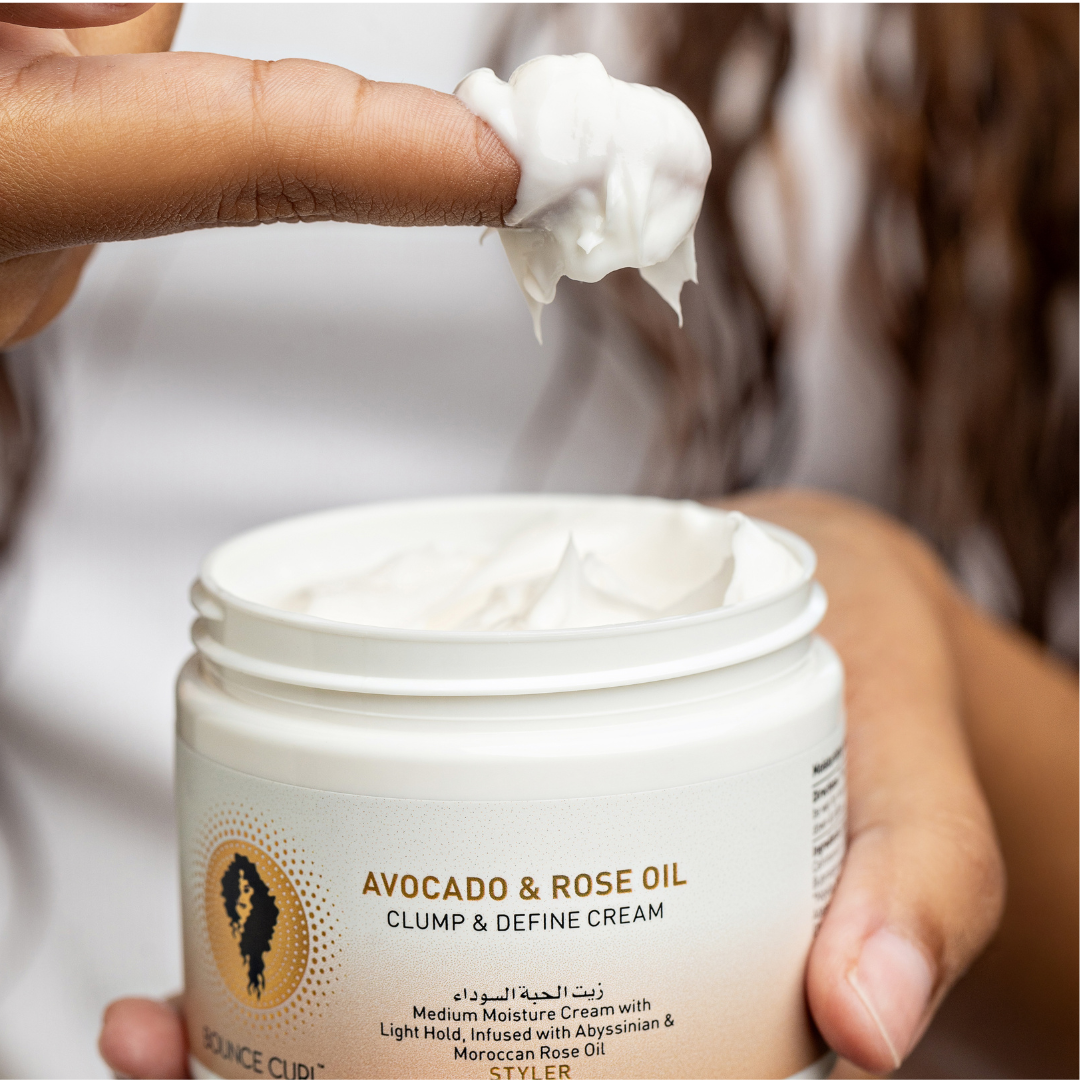
Most women with textured hair have tried wrapping their hair at night, only to wake up with flat, frizzy, or tangled curls. The problem usually isn’t the wrapping technique. It’s the fabric. Cotton pillowcases and synthetic scarves absorb moisture and create friction that chips away at your curl pattern while you sleep. Silk does the opposite. For women in Europe with wavy, curly, coily, or afro hair, where humidity swings and seasonal dryness make moisture balance a constant challenge, a silk scarf isn’t a luxury. It’s one of the smartest tools you can own.
| Point | Details |
|---|---|
| Silk minimizes friction | Silk scarves greatly reduce hair breakage and frizz for textured curls. |
| Humidity resistance | Silk protects European curls and coils from humidity better than cotton. |
| Versatile styling accessory | Silk scarves transform routine hair protection into chic, confidence-boosting looks. |
| Easy nightly routine | A simple silk wrap can preserve your hair’s moisture and shape overnight. |
How silk scarves protect textured hair
Let’s get into what actually happens when your hair meets different fabrics. Cotton fibers have a rough, absorbent surface that grips your hair strands and pulls moisture out of them. Every time you roll over at night on a cotton pillowcase, your curls experience tiny tugs that add up to breakage, frizz, and lost definition. Synthetic fabrics like polyester can generate static, which is especially damaging for coily and afro hair types that are already prone to dryness.
Silk is different because of its naturally smooth protein fiber structure. Hair strands glide over it rather than catching and pulling. That reduced friction means fewer split ends, less breakage at the hairline, and curls that hold their shape from one day to the next. For women following curly hair care tips, this single fabric swap can extend the life of a wash-and-go by a full extra day.
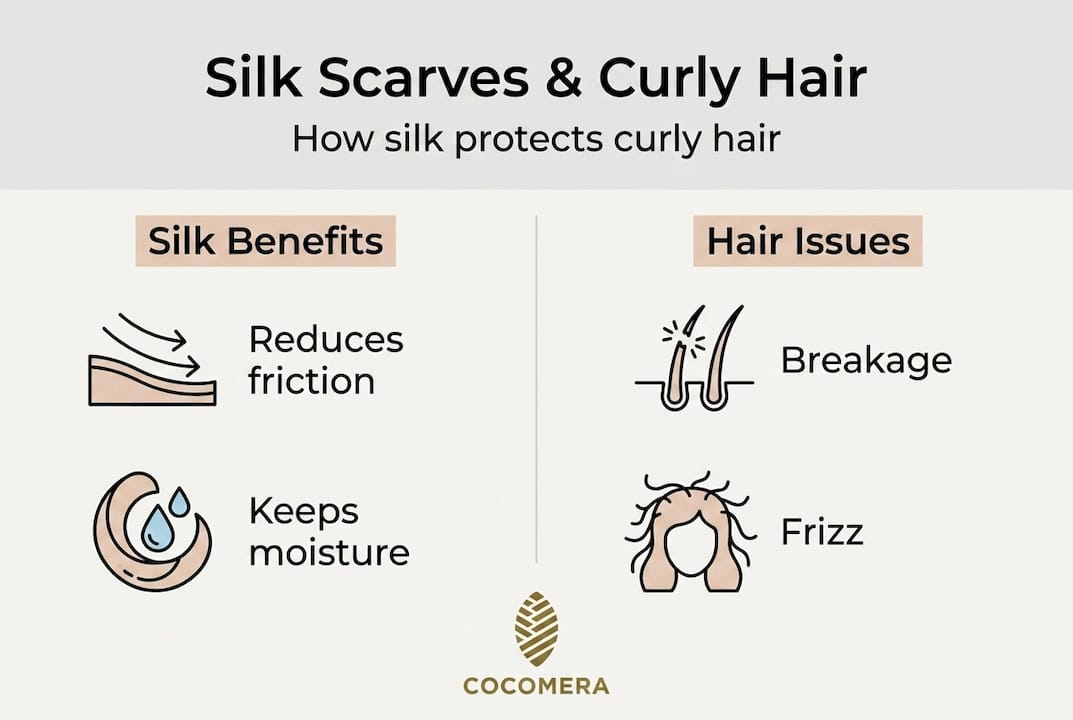
One of the most overlooked benefits is moisture retention. Textured hair loses water faster than straight hair because of its coiled structure, which makes the cuticle layer harder to keep sealed. Understanding why hair needs moisture is the foundation of any effective textured hair routine. Silk helps by not pulling that moisture out. It creates a barrier that keeps the hair’s natural oils and any applied products closer to the strand.
For European climates specifically, humidity is a serious factor. Summers in cities like Stockholm, Amsterdam, or London can be surprisingly damp. Winter heating indoors strips air moisture dramatically. Silk resists humidity transfer better than cotton, which means your curl pattern stays more consistent regardless of what’s happening outside.
Key benefits of silk scarves at a glance:
-
Reduces friction and mechanical breakage during sleep
-
Preserves moisture and locks in leave-in products
-
Protects curl definition between wash days
-
Minimizes frizz caused by environmental humidity
-
Gentler on edges and delicate hairline strands
| Fabric | Friction level | Moisture absorption | Frizz risk |
|---|---|---|---|
| Silk | Very low | Very low | Low |
| Cotton | High | High | High |
| Polyester | Medium | Low | Medium to high |
Pro Tip: If you can’t invest in a full silk pillowcase right away, a silk scarf folded over your pillow gives you most of the same benefits at a fraction of the cost.
Why silk works for different hair textures
Not all textured hair responds to silk the same way, but every type benefits from it. The key is understanding what your specific curl pattern needs most and how silk delivers it.
For wavy hair (type 2), the main challenge is keeping waves from collapsing or frizzing out overnight. Waves have a looser curl pattern that flattens easily with pressure and friction. Wearing a silk scarf loosely around your hair preserves the wave formation without compressing it. Following solid wavy hair care practices alongside silk protection makes a clear difference by morning.
Curly hair (type 3) tends to tangle overnight when strands curl around each other and knot up. Silk reduces the surface friction that causes those knots to lock in tightly, making detangling in the morning much easier and less damaging. Less detangling means less breakage, and less breakage means longer, healthier hair over time.
Coily and afro hair (type 4) benefits the most dramatically from silk protection. Type 4 hair has the tightest coil pattern and the most fragile cuticle layer, which makes it highly prone to moisture loss and mechanical damage. The silky surface allows type 4 strands to move freely without catching, which cuts down on the microbreakage that often happens at night. If you want to see stronger results from your afro hair styling steps, nighttime silk protection is a non-negotiable part of that routine.
European humidity plays a role here too. Silk’s humidity resistance is particularly valuable in coastal European cities or during shoulder seasons when temperature and moisture in the air shift daily.
Here’s how to match silk protection to your texture:
-
Wavy hair: use a loose silk wrap or bonnet to prevent wave collapse
-
Curly hair: pineapple your curls first, then wrap with silk to prevent tangling
-
Coily hair: seal with a butter or oil, then wrap firmly but without tension
-
Afro hair: section into two or four twists before wrapping to preserve shape
| Hair type | Primary issue | Silk scarf benefit |
|---|---|---|
| Wavy (2A-2C) | Frizz and wave collapse | Maintains wave shape |
| Curly (3A-3C) | Tangling and dryness | Reduces knots, retains moisture |
| Coily (4A-4B) | Breakage and shrinkage | Minimizes friction damage |
| Afro (4C) | Severe moisture loss | Locks in hydration overnight |
Practical ways to use silk scarves for hair protection
Knowing silk is beneficial is one thing. Knowing how to use it correctly is where the real results happen. Many women start using silk scarves and still struggle because of a few common errors, mainly tying too tightly or choosing a scarf that’s too small.
The classic turban wrap is one of the most protective and versatile methods. The turban wrapping method works like this: fold your silk scarf into a triangle, drape it over your hair with the long edge at your forehead, bring the two ends to the nape of your neck, cross them, bring them back to the front, and tie them at the forehead. The result is a secure wrap that holds without creating pressure points that could break off edges.
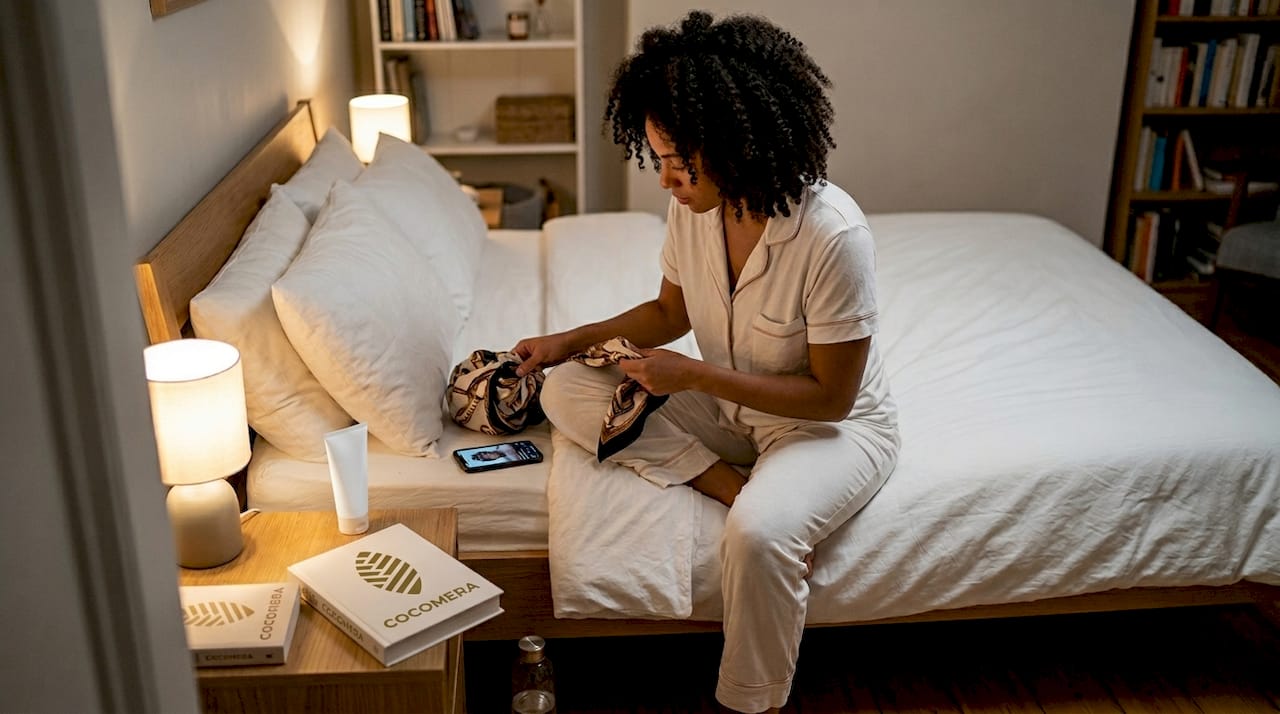
For overnight protection, the pineapple method works beautifully with silk. Pull all your curls loosely to the top of your head using a soft scrunchie, then lay your silk scarf over the entire pile and tie it gently at the nape. This preserves curl clumps and prevents your hair from flattening under body weight while you sleep. Pairing this habit with your coily hair wash day workflow can stretch your wash days significantly.
For travel, silk scarves protect hair from dry airplane cabin air and the friction from headrests. They pack flat and take up almost no space in a bag. This makes them a smart addition when choosing curly hair products and accessories to pack on trips.
Pro Tip: Size matters. A scarf that’s at least 90x90 cm gives you enough fabric to work with for most hair lengths and wrapping styles.
Common mistakes to avoid:
-
Tying too tightly around the hairline, which causes tension and edge thinning
-
Using a small scarf that can’t cover all your hair securely
-
Wrapping dry hair without any moisture or product, which can trap dryness
-
Choosing low-quality satin-labeled fabric instead of real silk (satin is a weave, not a fiber)
Styling versatility: More than just hair protection
Here’s what most people don’t expect from a silk scarf: it’s one of the most flexible styling tools you can own. Protection and fashion in a single piece of fabric is a combination that doesn’t happen often.
The fashionable silk scarf uses for textured hair include turbans, headbands, tied buns, and even half-up styles where the scarf wraps around a high ponytail. In European cities where winters call for hats and beanies, silk scarves worn underneath protect your curls from the friction and static that wool and knit fabrics cause. This is a game-changer for type 4 hair especially, where hat-induced frizz can undo a whole day’s styling.
Women with multi-textured hair often find that silk scarves are the easiest way to unify different curl patterns in one look. A well-tied turban pulls everything together without fighting your natural texture. You’re not hiding your hair. You’re framing it.
Color and print options make this even better. A bold printed silk scarf worn as a headband instantly transforms a simple wash-and-go into a polished, intentional look. Neutral tones work for office environments. Bright patterns make a statement for weekend outings. The scarf adapts to you rather than the other way around.
Ways to style a silk scarf beyond nighttime protection:
-
Turban wrap for a polished, editorial look
-
Tied headband to keep hair out of your face with a style boost
-
Layered over a bun or puff for texture and volume framing
-
Under a hat to prevent winter friction damage
-
Tied at the base of a ponytail for an instant upgrade
Pro Tip: Silk scarves also work as protective layers during sweaty workouts. Wrap your edges loosely before gym sessions to reduce friction from workout headbands.
The real reason silk scarves matter: A fresh perspective
Most hair care content treats silk scarves as a nice-to-have. Something trendy to add to an Instagram flat lay. We think that framing undersells what silk actually does and also sets women up for disappointment when they don’t use it consistently.
The real issue is this: for women with textured hair in European climates, moisture management is a daily effort. Products, routines, and techniques all matter. But none of that work holds up if you’re sleeping on cotton or running out in wet weather without protection. Silk is the container that keeps your effort from leaking out.
What most guides also miss is the tension risk. Even the softest silk scarf, tied too tightly at the hairline or nape every night, can cause traction damage over time. Consistency matters, but so does technique. Learning to wrap with support instead of grip is a small adjustment with serious long-term payoff.
For women working through pure solutions for textured hair, silk is the logical companion to a simplified, intentional routine. It’s not about buying into a trend. It’s about protecting the investment you already make in your hair every wash day.
Discover supportive products for your hair journey
A silk scarf gives your curls the protection they need, but the products you use underneath matter just as much. At Cocomera, we curate everything that works with your textured hair routine, not against it.
Whether you’re looking for curly hair styling products that hold your curl pattern through humid European days, curly hair treatments that strengthen and repair between wash days, or deeply hydrating curly hair masks that restore moisture from root to tip, we have options selected specifically for type 2, 3, and 4 hair. Your silk scarf routine works best when the hair underneath is healthy, hydrated, and cared for with products that actually understand your texture.
Frequently asked questions
Is silk really better for curly hair than cotton?
Yes. Silk resists humidity transfer better than cotton and creates far less friction against hair strands, which means your curls stay defined and experience less breakage over time.
How do I wrap my hair with a silk scarf for nighttime protection?
Fold the scarf into a triangle, place it over your hair in a pineapple or bun, and use the turban wrapping method by tying at the nape and forehead to secure without tension.
Are silk scarves helpful for all textured hair types?
Yes. Whether your hair is wavy, curly, coily, or afro, silk helps preserve moisture and reduce breakage. It’s particularly effective for type 4 hair, which is most vulnerable to overnight dryness and friction damage.
Can silk scarves double as everyday hair accessories?
Absolutely. Silk scarves work as turbans, headbands, bun accents, and under-hat liners, giving you both protection and a styling option that adapts to your look and the European weather.
How often should I use a silk scarf for hair protection?
Daily or nightly use gives the best results. Consistent overnight silk protection and wearing one in humid conditions or under hats maximizes curl preservation and reduces frizz between wash days.