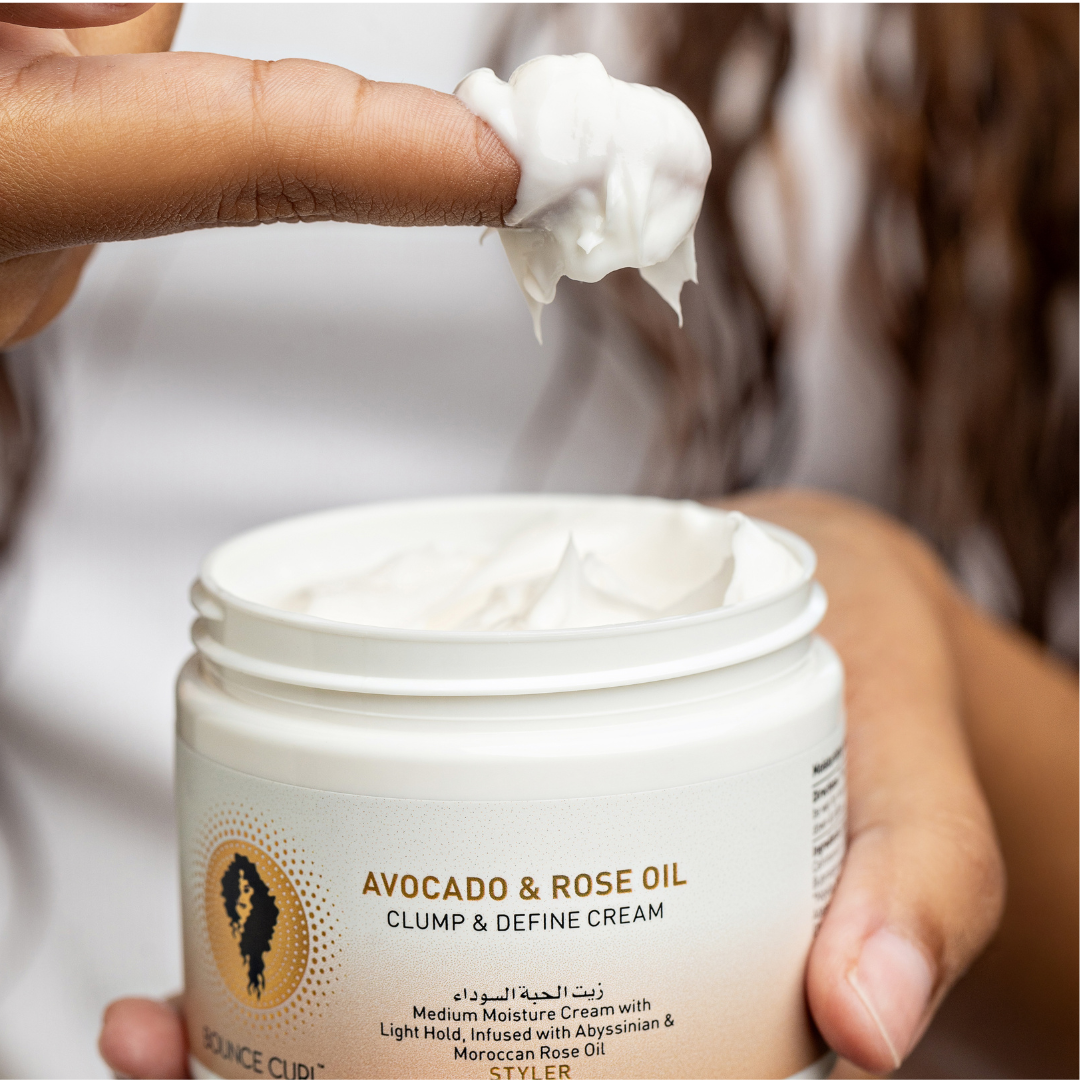
Many people with wavy hair struggle to identify their hair type, often mistaking it for either straight hair with a little texture or curly hair that won’t cooperate. Wavy hair is actually a distinct texture with its own unique needs and characteristics. Understanding your hair type is the first step to achieving healthy, defined waves that look amazing. This guide covers everything you need to know about wavy hair, from identifying your specific wave pattern to choosing the right products and styling techniques that work for European climates and lifestyles.
Table of Contents
- Understanding Wavy Hair: Characteristics And Types
- Common Challenges Of Wavy Hair And How To Address Them
- Effective Hair Care Routines And Product Recommendations For Wavy Hair
- Styling Techniques And Tools To Enhance Wavy Hair
- Explore Top Wavy Hair Care Products At Cocomera
- What Is Wavy Hair? Frequently Asked Questions
Key takeaways
| Point | Details |
|---|---|
| Hair type identification | Wavy hair forms an S-shaped pattern between straight and curly textures with three distinct subtypes. |
| Moisture is essential | Wavy hair tends to be drier than straight hair and requires regular hydration to prevent frizz. |
| Product selection matters | Sulfate-free shampoos and lightweight styling products preserve wave definition without weighing hair down. |
| Styling technique impacts results | Applying products to damp hair and using gentle scrunching methods enhances natural wave patterns. |
Understanding wavy hair: characteristics and types
Hair texture exists on a spectrum, ranging from completely straight to tightly coiled. Wavy hair has an S pattern, lying between straight and curly textures with a gentle undulation that creates natural body and movement. Unlike straight hair that lies flat or curly hair that forms spirals, wavy hair creates loose, flowing S-shaped bends along the hair shaft.
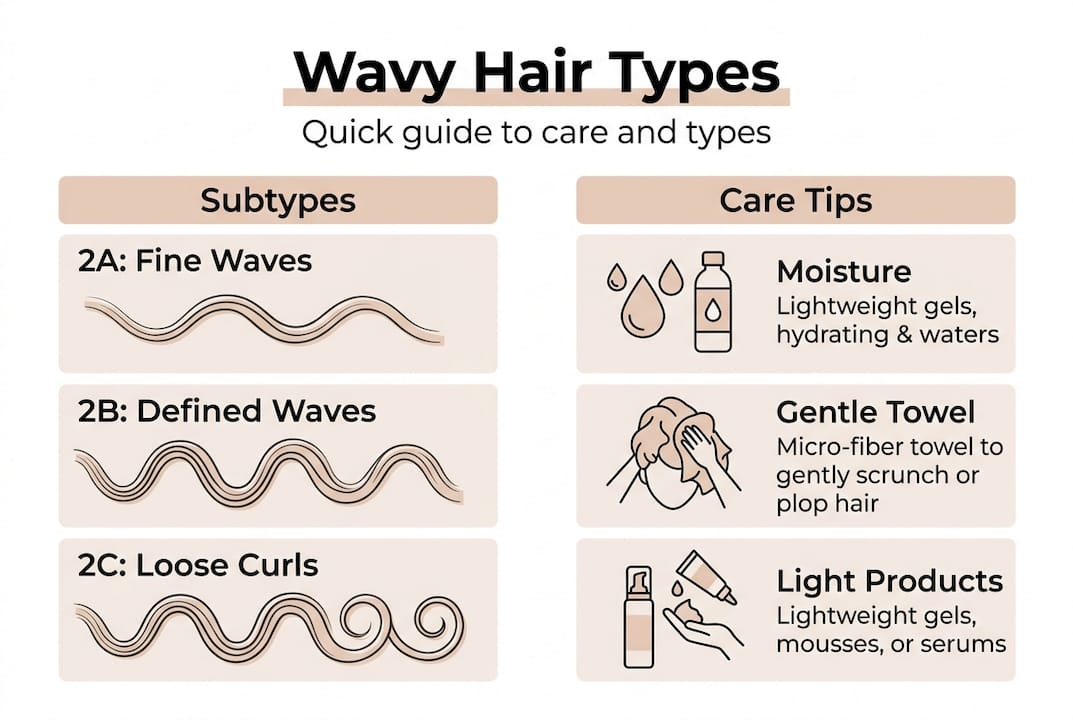
The hair care community classifies wavy hair into three main subtypes. Type 2A features fine, loose waves that form a gentle S pattern and typically lies close to the head. Type 2B creates more defined waves with a moderate S shape and increased volume at the roots. Type 2C produces distinct, well-defined waves that border on loose curls with significant volume and texture. Each subtype requires slightly different care approaches to maintain its natural pattern.
Wavy hair faces unique challenges that differ from other textures. The wave pattern creates uneven sebum distribution, meaning natural oils from your scalp struggle to travel down the hair shaft. This leads to roots that may appear oily while mid-lengths and ends remain dry. The inconsistent curl pattern also makes wavy hair prone to frizz, especially in humid or cold European weather conditions.
You can identify wavy hair through simple observation. After washing and air drying without products, look for an S-shaped pattern that creates bends rather than spirals. Wavy hair typically has more volume than straight hair but less shrinkage than curly hair. When you pull a strand straight and release it, wavy hair bounces back to an S shape rather than staying straight or forming tight coils.
Understanding your specific wave type helps you choose appropriate products and techniques. Many people discover they have a combination of wave patterns, with looser waves at the crown and tighter waves underneath. Recognizing these variations allows you to customize your curly hair routine for optimal results across your entire head.
Common challenges of wavy hair and how to address them
Wavy hair often tends to be drier and prone to frizz due to wave shapes causing uneven sebum distribution along the hair shaft. This natural dryness makes wavy hair particularly vulnerable to damage from harsh products, heat styling, and environmental stressors. Without proper moisture, waves lose definition and appear stringy or limp rather than bouncy and vibrant.

European climates present specific challenges for wavy hair. Cold, dry winters strip moisture from hair strands, leading to increased breakage and static. Humid summers cause the hair cuticle to swell, creating frizz and disrupting wave patterns. Rapid temperature changes between heated indoor spaces and cold outdoor air further stress wavy hair, making consistent moisture retention difficult.
Many wavy-haired individuals unknowingly worsen their hair condition by using inappropriate products. Traditional shampoos containing sulfates strip natural oils too aggressively, leaving hair parched and frizzy. Heavy silicones create temporary smoothness but prevent moisture from penetrating the hair shaft, leading to long-term dryness. Alcohol-based styling products offer quick hold but dehydrate waves, causing them to lose shape throughout the day.
Gentle handling makes a significant difference in maintaining healthy waves. Rough towel drying disrupts the cuticle and creates frizz, while aggressive brushing when dry breaks wave clumps and causes flyaways. Heat styling without protection damages the hair structure, permanently altering wave patterns. Over-washing removes essential oils faster than your scalp can replace them, perpetuating the dryness cycle.
Pro Tip: Apply a leave-in conditioner to damp hair immediately after showering to lock in moisture before it evaporates. This simple step creates a protective barrier that keeps waves hydrated and defined throughout the day.
Addressing these challenges requires a shift in approach. Focus on moisture retention through hydrating products and protective techniques. Limit heat styling and embrace air drying methods that preserve natural wave patterns. Choose products specifically formulated for wavy hair that balance cleansing with moisture preservation. Understanding these common pitfalls helps you avoid mistakes that prevent your waves from reaching their full potential.
Effective hair care routines and product recommendations for wavy hair
A proper wavy hair routine begins with cleansing that removes buildup without stripping essential moisture. Using sulfate-free shampoos and moisturizing conditioners preserves wave integrity and reduces frizz by maintaining the hair’s natural oil balance. Wash your hair two to three times per week rather than daily, allowing natural oils to nourish your strands between washes. On non-wash days, use a curl refreshing spray to revive waves without full cleansing.
The conditioning step is crucial for wavy hair health. Apply conditioner from mid-length to ends, avoiding roots to prevent weighing down your waves. Leave the conditioner on for three to five minutes, allowing it to penetrate the hair shaft. For deeper hydration, use a hair mask once weekly, focusing on the driest areas. Rinse with cool water to seal the cuticle and enhance shine.
After washing, apply leave-in products while hair is still soaking wet. This is when your hair absorbs moisture most effectively. Use a wide-tooth comb or your fingers to distribute products evenly, working in sections to ensure complete coverage. The right product combination varies by wave type, with finer 2A waves needing lighter formulas and coarser 2C waves benefiting from richer creams.
| Product Type | Best For | Key Benefits | Application Method |
|---|---|---|---|
| Sulfate-free shampoo | All wavy types | Gentle cleansing without stripping oils | Scalp only, twice weekly |
| Moisturizing conditioner | 2B and 2C waves | Deep hydration and detangling | Mid-length to ends, 3-5 minutes |
| Leave-in conditioner | All wavy types | Moisture retention and frizz control | Damp hair, roots to ends |
| Curl cream | 2B and 2C waves | Definition and hold | Damp hair, scrunching motion |
| Light gel | 2A waves | Hold without weight | Damp hair, smooth then scrunch |
Styling products should enhance rather than fight your natural texture. The curl clump define cream bundle works beautifully for creating defined wave clumps without crunchiness. Apply products using the praying hands method, smoothing them over sections of hair, then scrunch upward to encourage wave formation. Layer products from thinnest to thickest consistency for best results.
Between wash days, refresh your waves with a curl refreshing spray to revive definition without starting over. Lightly mist your hair, scrunch to reactivate products, and allow to air dry. For extra hold on humid days, try quiet calm curl control which provides flexible hold that moves naturally with your hair.
Pro Tip: Use styling products while hair is still damp to enhance natural waves and reduce frizz. Waiting until hair is partially dry makes products less effective and harder to distribute evenly.
Avoid products containing harsh sulfates, drying alcohols, and heavy silicones that build up over time. Read ingredient labels carefully, looking for nourishing components like shea butter, coconut oil, and glycerin. These ingredients attract and retain moisture, keeping your waves healthy and defined. Remember that what works for your friend’s waves might not work for yours, so experiment to find your perfect product combination.
Styling techniques and tools to enhance wavy hair
Using diffusers and gentle scrunching techniques enhances wave patterns effectively by encouraging natural curl formation without disruption. The right styling approach makes the difference between limp, undefined waves and bouncy, voluminous texture that lasts all day. Master these techniques to maximize your wave potential without causing damage or frizz.
Start by removing excess water after washing. Instead of rubbing with a regular towel, use a microfiber towel or cotton t-shirt to gently squeeze water from your hair. The smoother fabric reduces friction that causes frizz and breakage. Press sections of hair between the fabric rather than twisting or wringing, which disrupts wave formation.
The plopping method works exceptionally well for wavy hair. Lay a t-shirt or microfiber towel flat, flip your hair forward onto it, then wrap the fabric around your head. Leave it on for 15 to 30 minutes while you get ready. This technique allows waves to set in their natural pattern while absorbing excess moisture, creating definition without heat.
For faster drying, use a diffuser attachment on your blow dryer. Cup sections of hair in the diffuser bowl and hold it close to your scalp without moving it around. Use low heat and medium airflow to avoid disrupting wave clumps. Dry until hair is about 80% dry, then allow it to finish air drying for the most natural results.
| Method | Time Required | Wave Definition | Volume | Best For |
|---|---|---|---|---|
| Air drying | 3-4 hours | High | Medium | 2A and 2B waves, lazy days |
| Plopping | 30 minutes + air dry | Very high | High | All wave types, maximum definition |
| Diffusing | 20-30 minutes | High | Very high | 2B and 2C waves, quick styling |
| Blow dry without diffuser | 15 minutes | Low | Low | Not recommended for wavy hair |
Scrunching is your best friend for encouraging wave formation. After applying products, cup sections of hair in your palm and gently squeeze upward toward your scalp. This bunching motion helps waves clump together and form defined patterns. Scrunch multiple times throughout the drying process to reinforce wave shape.
Once your hair is completely dry, you may notice a crunchy cast from styling products. This is actually desirable because it protects your waves while they set. Break the cast by scrunching dry hair with a small amount or a drop of lightweight oil on your palms. This reveals soft, touchable waves with lasting hold.
Follow these daily styling steps for best wave definition:
- Wash and condition hair with sulfate-free products, focusing conditioner on ends.
- Gently squeeze excess water using a microfiber towel or t-shirt.
- Apply leave-in conditioner and styling products to soaking wet hair using praying hands method.
- Scrunch hair upward repeatedly to encourage wave clumps and remove excess product.
- Plop for 20 to 30 minutes or begin diffusing immediately on low heat.
- Allow hair to finish air drying completely before touching to prevent frizz.
- Once fully dry, scrunch out the crunch with dry hands or a tiny amount of oil.
- Refresh on day two and beyond with curl spray and light scrunching.
Avoid common styling mistakes that ruin wave definition. Never brush or comb dry wavy hair, as this separates wave clumps and creates frizz. Resist touching your hair while it dries, even though it’s tempting. Each touch disrupts the wave pattern and introduces frizz. Skip the flat iron and curling iron, which permanently damage hair structure and make natural waves harder to achieve over time.
Explore top wavy hair care products at Cocomera
Now that you understand how to care for and style your wavy hair, finding the right products becomes crucial for success. Cocomera specializes in curated hair care solutions specifically designed for textured hair types, including all variations of wavy hair. The curl clump define cream bundle has become a favorite among European customers with 2B and 2C waves, providing definition without crunchiness or weight.
For daily moisture maintenance, the leave-in conditioner offers lightweight hydration that won’t weigh down finer wave patterns. Cocomera’s carefully selected product range takes the guesswork out of building your wavy hair routine, with formulations that work beautifully in European climates and water conditions. Visit Cocomera to explore the complete collection and find products perfectly matched to your specific wave type and care goals.
What is wavy hair? Frequently asked questions
How can you tell if your hair is wavy?
Wavy hair forms an S-shaped pattern when air dried without products, creating bends rather than spirals or lying completely flat. You’ll notice more volume than straight hair but less shrinkage than curly hair. If your hair has texture that’s neither straight nor curly, you likely have wavy hair.
What are the best products for maintaining wavy hair?
Sulfate-free shampoos, moisturizing conditioners, lightweight leave-in treatments, and flexible-hold styling creams work best for wavy hair. Avoid heavy oils and silicones that weigh down waves. Look for products specifically formulated for type 2 hair that balance moisture with volume.
How often should you wash wavy hair?
Wash wavy hair two to three times per week to maintain moisture balance. Washing daily strips natural oils faster than your scalp can replace them, leading to dryness and frizz. Use a curl refreshing spray between washes to revive wave definition without full cleansing.
Can wavy hair become curly or straight?
Hair texture can shift due to hormones, health changes, or damage, but you cannot permanently change your natural wave pattern without chemical treatments. Proper care and styling techniques can enhance your existing waves to appear more defined. Following a curly hair routine adapted for waves helps maximize your natural texture.
What styling mistakes should people with wavy hair avoid?
Never brush dry wavy hair, as this separates wave clumps and creates frizz. Avoid touching hair while it dries, using harsh sulfate shampoos, or applying heavy products that weigh down waves. Skip heat styling without protection, which damages hair structure and reduces natural wave formation over time.