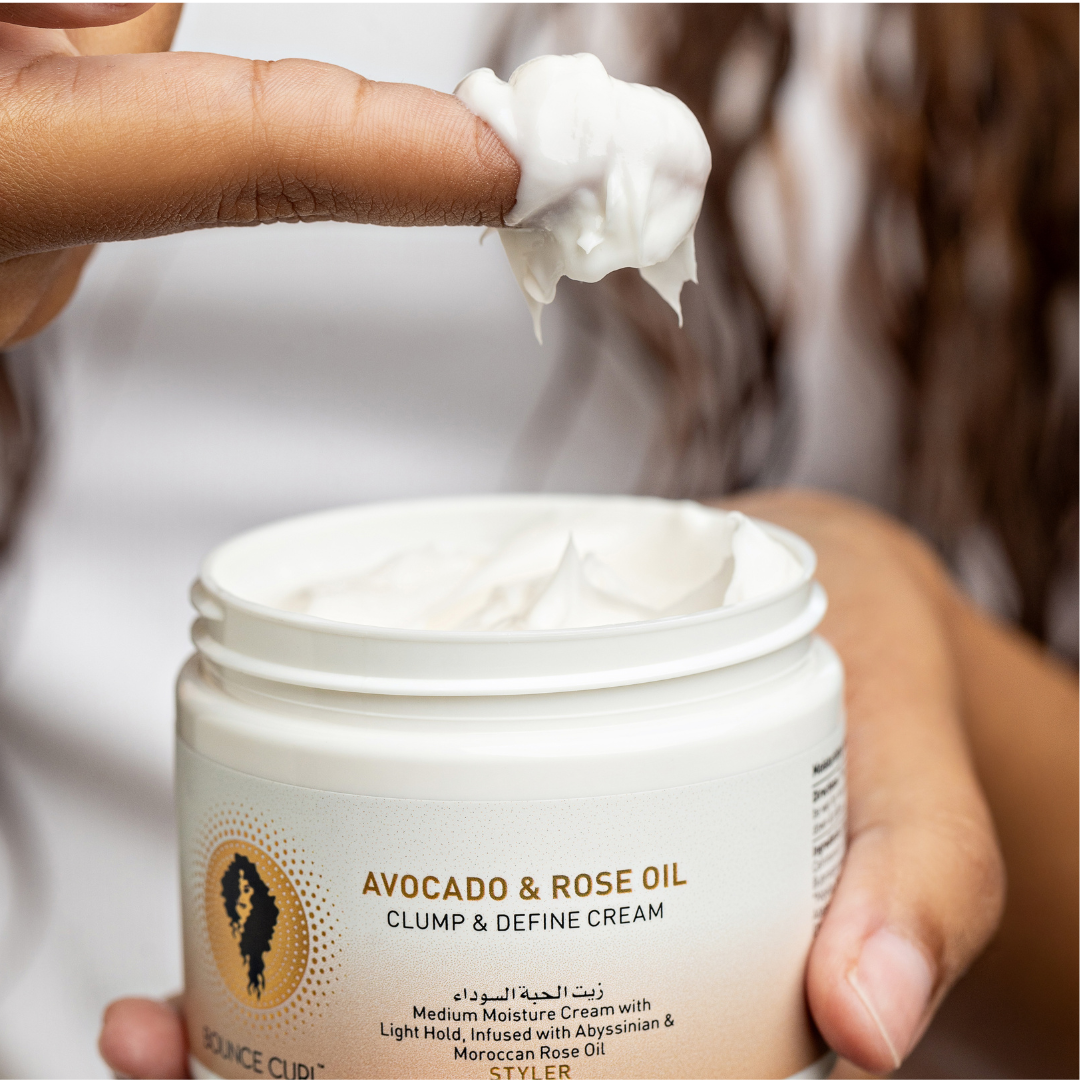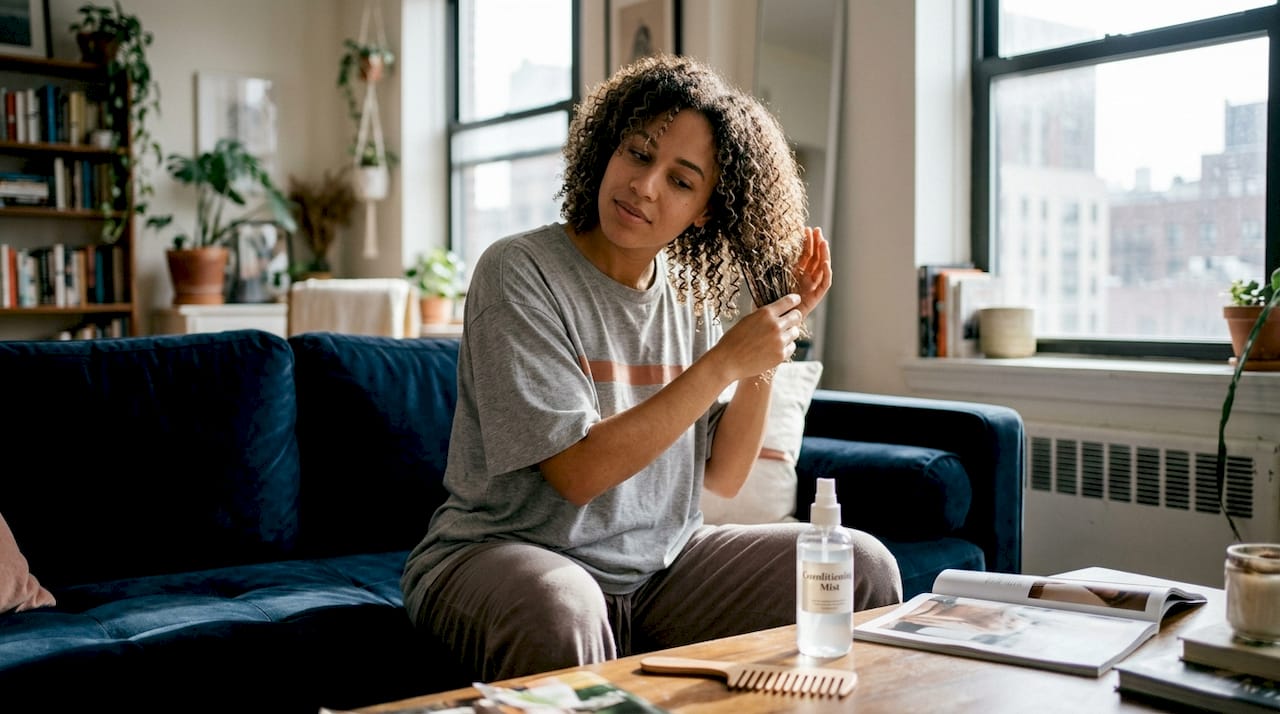
Textured hair types 2, 3, and 4 face unique moisture challenges that straight hair doesn’t encounter. The spiral and zigzag curl patterns create structural barriers that prevent natural oils from traveling down each strand, leaving lengths and ends chronically dry. This biological reality means curly, coily, and afro-textured hair requires intentional hydration strategies to maintain elasticity, definition, and strength. Understanding why your curls need moisture and how to deliver it effectively transforms your hair health. This guide explains the science behind textured hair’s thirst, reveals how porosity and climate impact your routine, and provides practical methods to lock in hydration for vibrant, resilient curls.
Table of Contents
- Key takeaways
- How textured hair structure affects moisture
- Why moisture is essential for curl health and integrity
- Porosity, climate, and care nuances for textured hair in Europe
- Practical tips and routines to maintain moisture in textured hair
- Discover curly hair care products for moisture and health
- FAQ
Key Takeaways
| Point | Details |
|---|---|
| Moisture distribution barrier | Textured hair shape blocks sebum from reaching ends, making consistent hydration essential. |
| Protein moisture balance | Aim for about 80 percent moisture and 20 percent protein to preserve elasticity and definition. |
| Porosity and climate | Know that porosity and climate change how much moisture your hair needs and adjust routines accordingly. |
| Seal with oils | Use sealing oils or butters after moisturizing to lock hydration inside high porosity or damaged strands. |
| Hydration friendly formulas | Choose lightweight hydrating formulas that moisturize without leaving buildup on curls. |
How textured hair structure affects moisture
The fundamental reason textured hair struggles with moisture lies in its physical architecture. Straight hair grows from round follicles in a direct path, allowing sebum to glide smoothly from scalp to ends. Textured hair emerges from oval or flattened follicles, creating spiral, coiled, or zigzag patterns that physically block this oil journey. Your scalp produces the same protective sebum as anyone else, but the twists and turns in each strand prevent it from coating your hair effectively.
This structural challenge extends beyond oil distribution. The cuticle layer on textured hair sits at raised angles rather than lying flat, creating gaps where moisture escapes into the air. Think of it like roof shingles lifted by wind versus ones pressed tight against the surface. Research shows curly hair regains about 25% moisture at 95% relative humidity compared to 23% for straighter textures, demonstrating how quickly textured strands lose hydration even in humid conditions.
High porosity hair, whether naturally porous or damaged by chemical treatments, faces an additional obstacle. The cuticle layer contains more gaps and holes, allowing water molecules to rush in during washing but escape just as rapidly afterward. This revolving door effect leaves your hair perpetually thirsty despite frequent moisturizing attempts. Sealing these openings with oils or butters becomes critical to trap hydration inside the hair shaft.
Understanding these biological facts shifts your approach from guessing to strategic care. Your curls aren’t difficult or unmanageable. They’re engineered differently and require methods that respect their unique architecture. When you recognize why moisture evaporates so quickly from your strands, you can implement targeted solutions rather than repeating ineffective routines.
Pro Tip: Examine a single shed hair against a light source. If you see multiple bumps or twists along the strand, you’re looking at the exact points where sebum gets stuck, explaining why your ends feel drier than your roots.
Why moisture is essential for curl health and integrity
Healthy textured hair contains enough water to stretch 30 to 50% of its length when wet before returning to its original shape. This elasticity depends entirely on adequate moisture content within each strand. Water molecules create hydrogen bonds between protein chains in your hair’s cortex, providing the flexibility that allows curls to bounce, stretch, and move without snapping. Remove that moisture and those bonds become rigid, turning your hair brittle and prone to breakage.
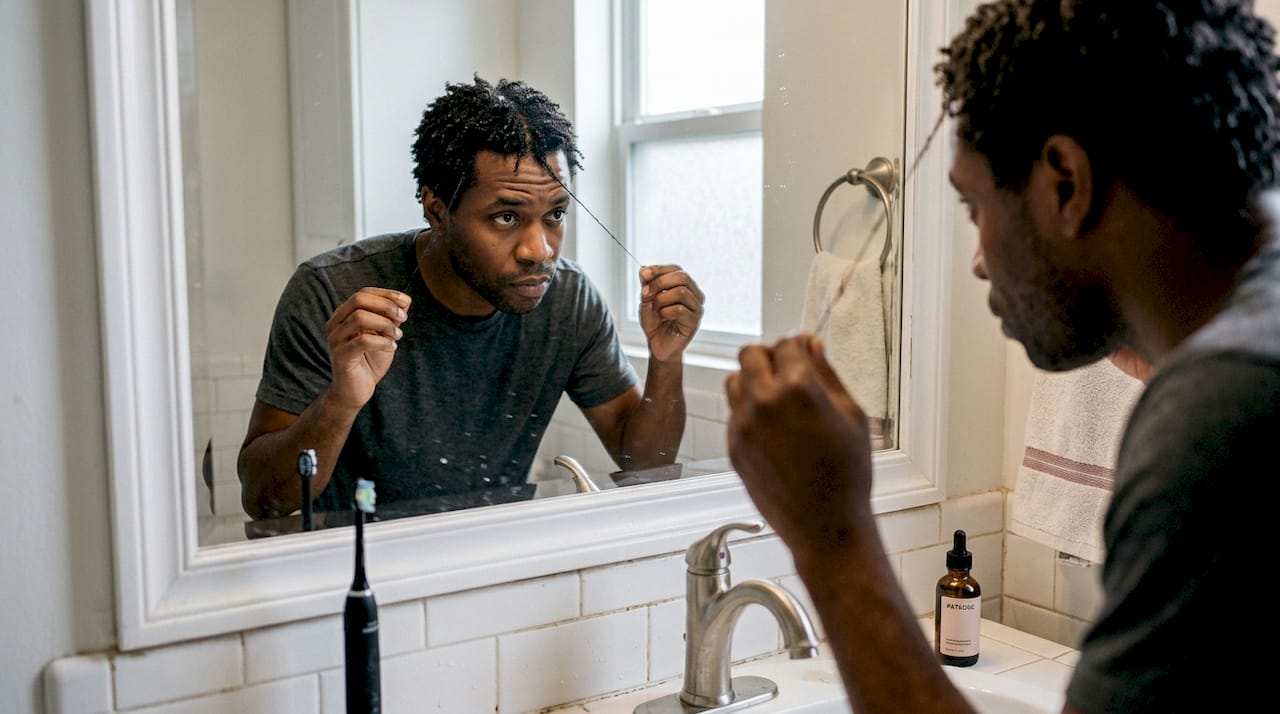
The consequences of moisture deprivation show up in predictable patterns. Dry hair loses its natural sheen because raised cuticles scatter light instead of reflecting it smoothly. Your curl pattern becomes undefined and frizzy as individual strands search desperately for moisture from the surrounding air, creating that halo effect you’re trying to avoid. Breakage increases dramatically because dehydrated strands snap under normal styling tension that hydrated hair would handle easily.
Protein-moisture balance represents the foundation of curl health, with an optimal ratio around 20% protein to 80% moisture. Protein provides structure and strength, forming the scaffolding of each strand. Moisture provides flexibility and movement, allowing that structure to bend without breaking. Tip this balance too far in either direction and problems emerge quickly.
Overloading moisture without adequate protein creates mushy, limp hair that stretches excessively and won’t hold a curl pattern. Your strands feel gummy when wet and lack definition when dry. Conversely, excess protein without sufficient moisture produces stiff, brittle hair that snaps at the slightest touch. Finding your personal balance requires attention to how your hair responds to products and adjusting your routine accordingly.
Pro Tip: Perform a simple stretch test on wet hair. Gently pull a single strand. If it stretches slightly then bounces back, your balance is good. If it stretches excessively without returning, add protein. If it snaps immediately with no stretch, add moisture.
Porosity, climate, and care nuances for textured hair in Europe
Hair porosity determines how readily your strands absorb and retain moisture, making it the single most important factor in building an effective routine. Low porosity hair features tightly closed cuticles that resist water penetration, causing products to sit on the surface rather than absorbing. You’ll notice water beads on your hair during washing and products create buildup quickly. This hair type benefits from lightweight, water-based formulas and occasional gentle heat to lift cuticles temporarily for better absorption.
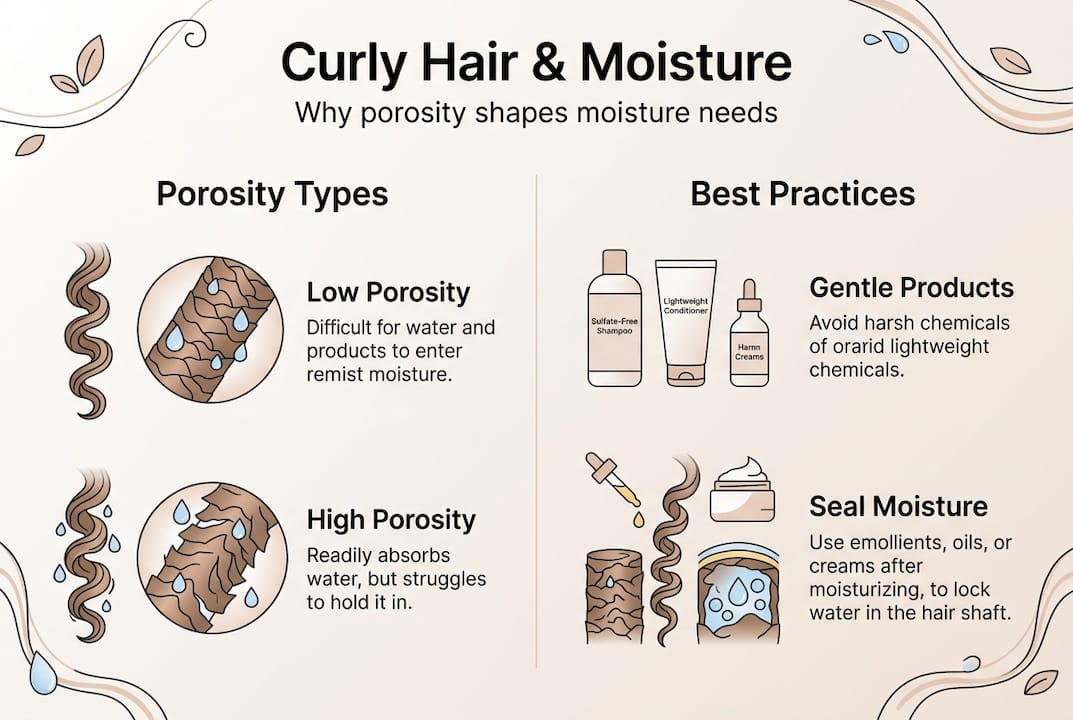
High porosity hair presents the opposite challenge. Cuticles contain gaps from chemical processing, heat damage, or natural structure, allowing moisture to rush in and out freely. Your hair absorbs products instantly but feels dry again within hours. Sealing becomes essential for high porosity hair, using heavier oils and butters to physically block moisture from escaping through those cuticle gaps.
Bleached or color-treated textured hair requires specialized attention because chemical processes permanently alter porosity. The lifting agents used to lighten hair create additional holes in the cuticle layer, increasing porosity whether you started with low or normal porosity. These compromised strands need both extra hydration and protein support to maintain integrity, often requiring weekly deep conditioning treatments that untreated hair might not tolerate.
European climate conditions add another layer of complexity to moisture retention. Winter months bring dramatically lower humidity levels, especially in Northern regions, causing moisture to evaporate from hair more rapidly than in tropical or subtropical environments. Central heating systems further dry indoor air, creating a double challenge for textured hair trying to maintain hydration. Increasing your sealing routine during cold months prevents the chronic dryness that leads to winter breakage.
Hard water prevalent across many European cities deposits mineral buildup on hair strands, creating a barrier that blocks moisture absorption regardless of porosity type. Calcium and magnesium accumulate on the cuticle surface, making hair feel rough and resistant to conditioning treatments. Weekly chelating treatments remove these deposits and restore your hair’s ability to accept hydration.
| Porosity Type | Absorption Rate | Best Products | Sealing Need |
|---|---|---|---|
| Low | Slow, resists water | Lightweight liquids, heat assist | Moderate |
| Normal | Balanced | Standard creams and oils | Seasonal |
| High | Fast, loses quickly | Heavy butters, protein blends | Essential |
Pro Tip: Test your water hardness using a home test strip. If results show hard water, add a chelating treatment to your monthly routine before deep conditioning for dramatically improved moisture absorption.
Practical tips and routines to maintain moisture in textured hair
Before selecting products or building a routine, test your hair porosity using the float test. Place a clean, shed hair in a glass of room temperature water and observe after five minutes. Hair that floats indicates low porosity with closed cuticles. Hair that sinks slowly suggests normal porosity. Hair that drops immediately signals high porosity requiring intensive sealing. This simple test eliminates guesswork and directs you toward appropriate products.
The LOC method stands for Liquid, Oil, Cream, applied in that specific order to maximize moisture retention. Start with water or a water-based leave-in conditioner to introduce hydration. Follow with oil to create a barrier that slows evaporation. Finish with cream to seal everything in place and provide hold. This layering sequence works well for types 2 and 3 hair that needs moisture without excessive weight.
The LCO method reverses the oil and cream order: Liquid, Cream, Oil. Type 4 hair often prefers LCO because applying cream before oil prevents the heavier oil layer from weighing down tight coils and kinks. The cream provides moisture and some hold, while the final oil layer seals without flattening your curl pattern. Experiment with both methods to discover which your hair prefers.
European tap water requires special attention due to high mineral content in most regions. Hard water deposits create a film on hair strands that blocks product absorption and causes buildup even with gentle formulas. Chelate weekly using a clarifying treatment specifically designed to remove mineral deposits, not just product buildup. This step proves especially critical if you notice your hair feeling coated or products suddenly stop working effectively.
Adjust your moisture routine seasonally to match environmental changes. Winter demands more frequent sealing with heavier products to combat low humidity and indoor heating. Summer may allow lighter products and less frequent application if humidity rises. Pay attention to how your hair responds rather than following a rigid schedule regardless of conditions.
Pro Tip: If you have low porosity hair, mix a few drops of oil into your leave-in conditioner before applying rather than layering them separately. This helps the oil penetrate instead of sitting on closed cuticles.
Discover curly hair care products for moisture and health
Building an effective moisture routine becomes simpler when you have access to products specifically formulated for textured hair needs. Cocomera curates specialized options designed to address the unique challenges curly, coily, and afro-textured hair faces in European climates. Whether you’re starting fresh or refining your current approach, targeted product selection makes the difference between constant struggle and consistent results.
Explore the Aunt Jackie’s kids hair care bundle for gentle yet effective moisture delivery suitable for the whole family. If you’re addressing scalp dryness alongside hair hydration needs, the AS I AM dry itchy scalp shampoo cleanses without stripping essential moisture. For intensive sealing, the Camille Rose Curlaide moisture butter provides rich hydration that locks in moisture through harsh winter conditions. Each product supports the moisture balance your textured hair requires to thrive.
FAQ
How often should I moisturize textured hair?
Moisturize your textured hair two to three times weekly as a baseline, adjusting based on how quickly your strands feel dry. High porosity hair may need daily moisture application, while low porosity hair might maintain hydration for four to five days. European winter conditions typically require increasing frequency by one additional session per week compared to summer months.
What is the difference between LOC and LCO moisturizing methods?
LOC applies products in Liquid-Oil-Cream order, while LCO uses Liquid-Cream-Oil sequence. Type 4 coils and kinks often respond better to LCO because it prevents heavy oils from weighing down tight curl patterns. Types 2 and 3 frequently prefer LOC for balanced moisture without excessive weight. Test both methods with your current leave-in conditioner to determine which your hair prefers.
How does hair porosity affect moisture retention?
Low porosity hair resists moisture absorption because tightly closed cuticles block water and product penetration, requiring lightweight formulas and occasional heat to open cuticles temporarily. High porosity hair absorbs moisture rapidly but loses it just as quickly through gaps in the cuticle layer, demanding heavy sealants to trap hydration inside strands. Normal porosity maintains balanced absorption and retention with standard products.
Can European climate affect my hair moisture needs?
European winters dramatically increase moisture loss from textured hair due to low humidity levels and indoor heating systems that dry the air further. Your hair loses water to the surrounding environment more rapidly in these conditions, requiring more frequent sealing with heavier products compared to humid climates. Hard water common across European cities also blocks moisture absorption, making weekly chelating treatments essential for maintaining hydration.
Should I use protein treatments if my hair is dry?
Dry hair needs moisture first, but chronic dryness sometimes indicates protein deficiency rather than simple dehydration. Perform a strand stretch test: if your wet hair stretches excessively without bouncing back, you need protein. If it snaps immediately with no stretch, add moisture. Maintain the 80% moisture to 20% protein balance by alternating deep conditioning treatments with occasional protein masks based on your hair’s response.